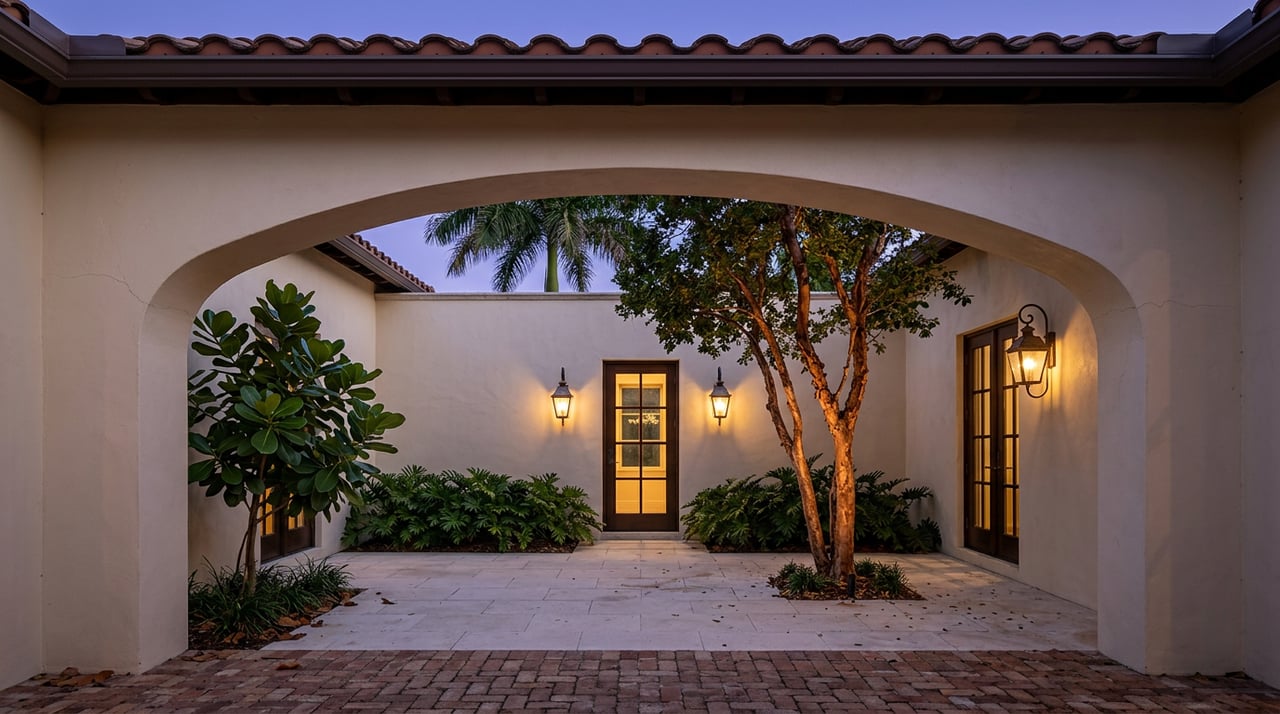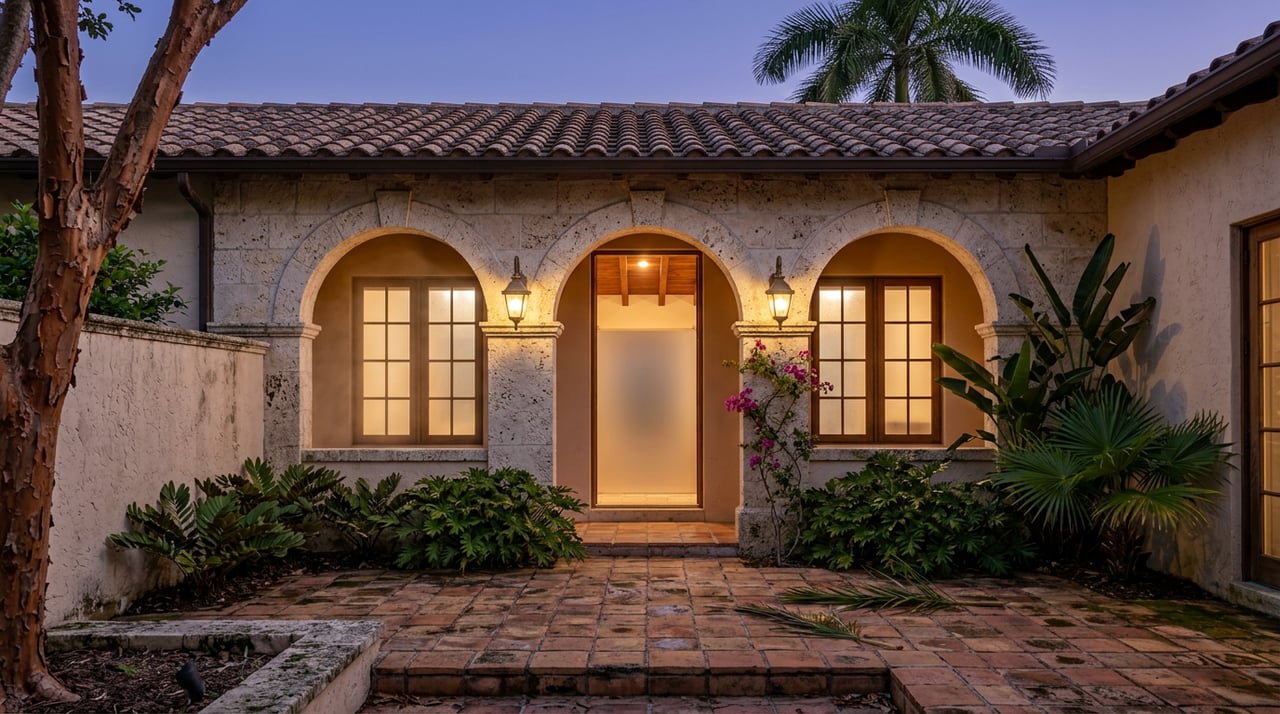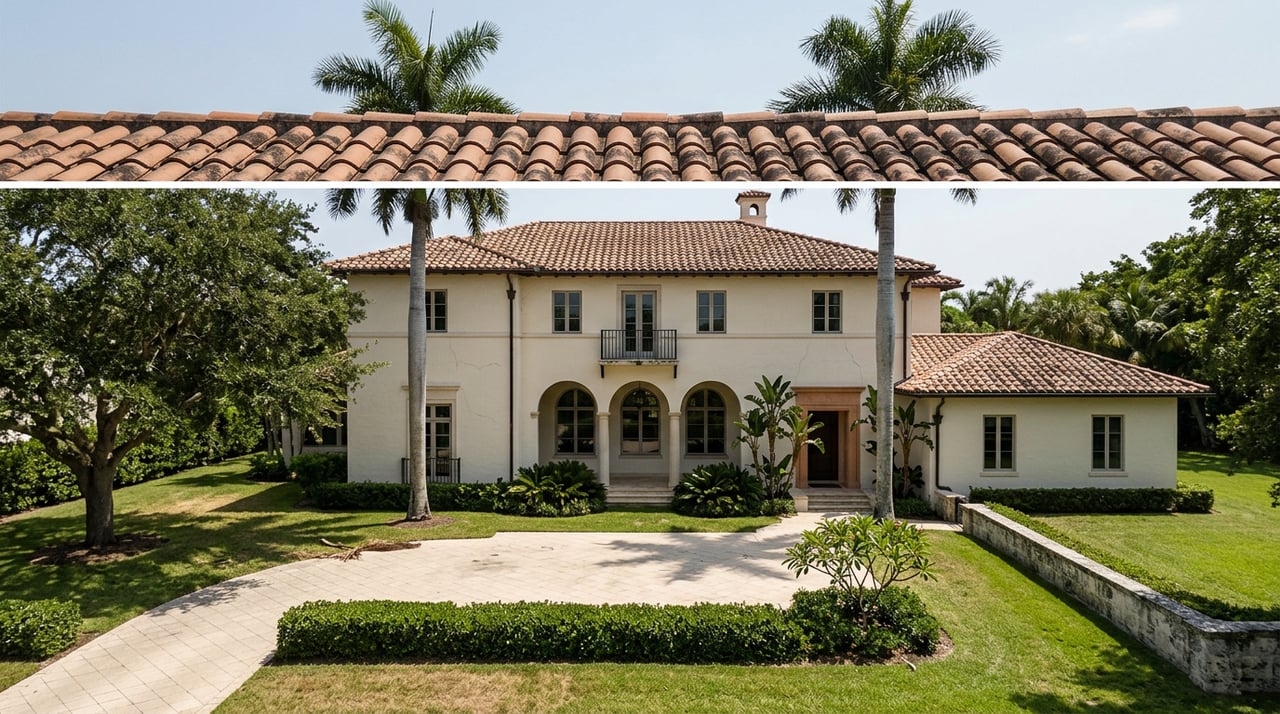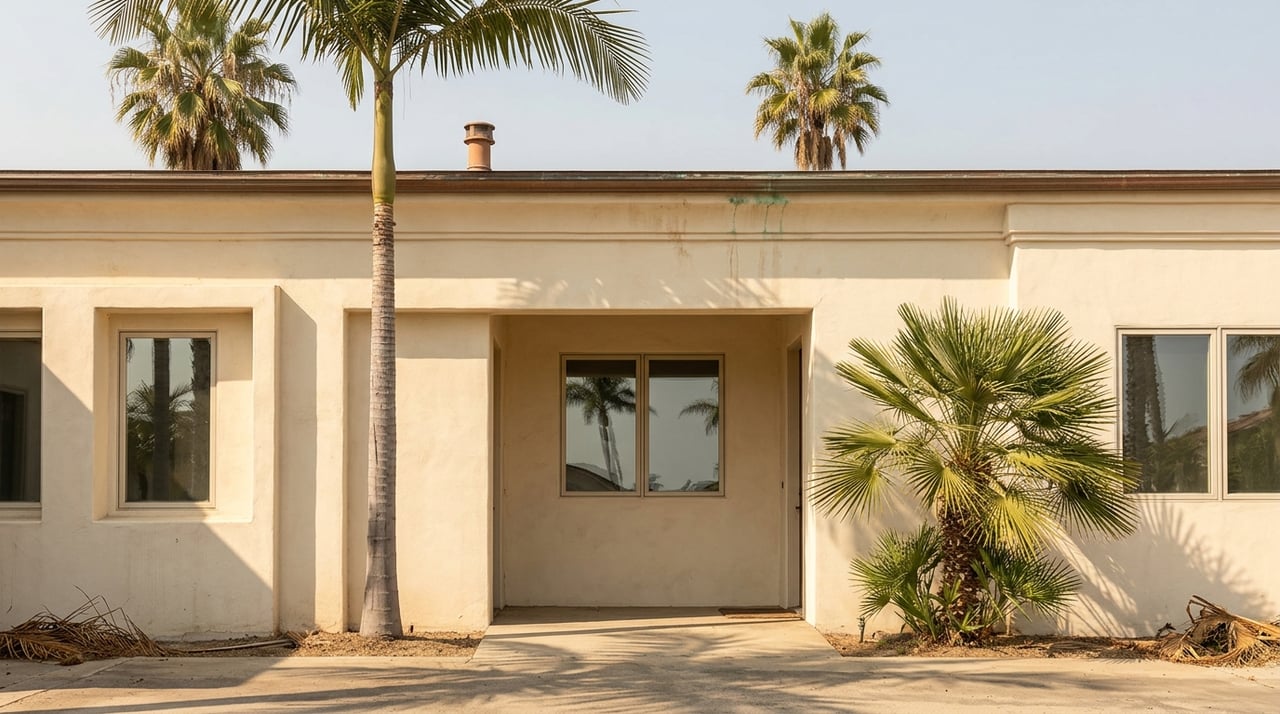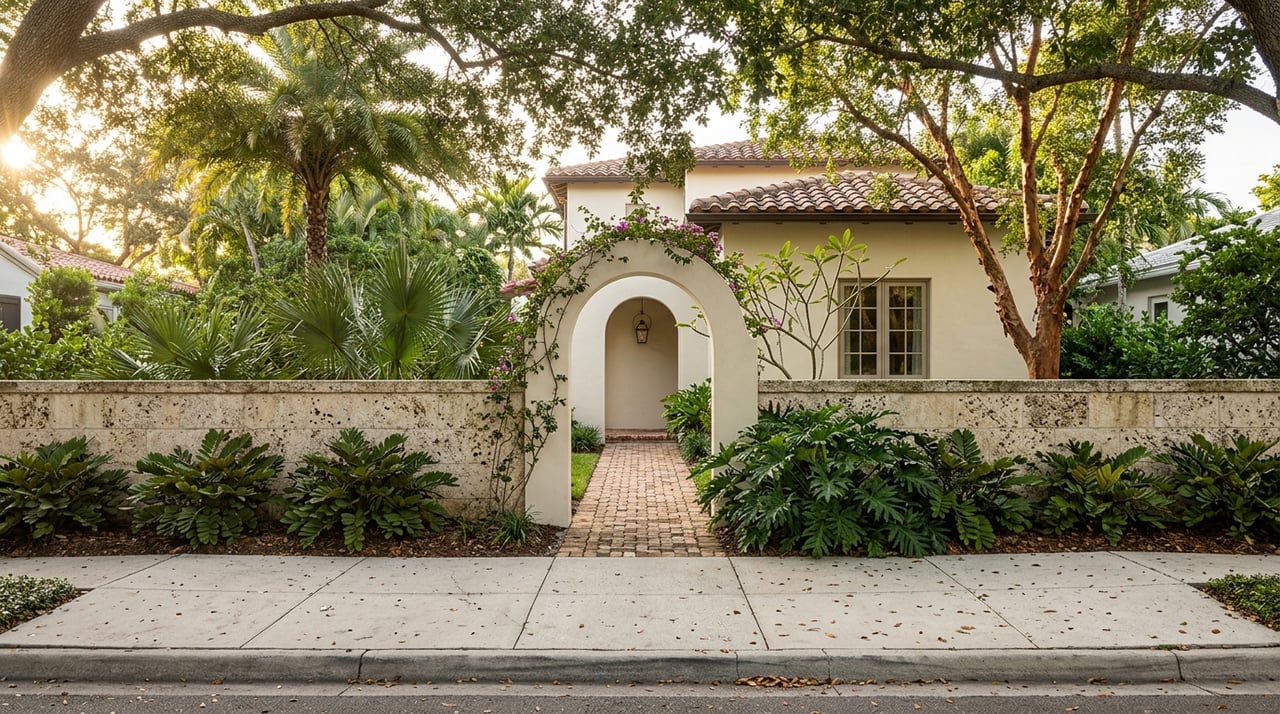
Wondering why a walk through Coral Gables feels so different from almost anywhere else in Miami-Dade? The answer is not just beautiful homes or shaded streets. It is a city planned with a strong architectural vision that still shapes what you see today. If you love historic homes, distinctive design, or simply want to understand what gives Coral Gables its lasting appeal, this stroll will help you notice the details that matter. Let’s take a closer look.
Why Coral Gables Feels So Cohesive
Coral Gables was shaped with a clear visual identity from the start. The city describes itself as a City Beautiful and Garden City community, with lush avenues, civic landmarks, and a large historic inventory. Today, more than 1,000 properties are listed on the Coral Gables Register of Historic Places.
That sense of order and beauty did not happen by accident. George Merrick and his team, including Denman Fink, Phineas Paist, and landscape architect Frank Button, helped create the winding drives, tree-lined boulevards, and formal entrances that still define the city. By 1926, Coral Gables already had more than 4,000 structures, 100 miles of paved streets, and 125 miles of sidewalks.
Start at Merrick House
A natural place to begin is the Merrick House at 907 Coral Way. This home helps tell the story of how Coral Gables developed its material and architectural vocabulary. The city connects its name and early identity to an addition built with coral rock, adapting a New England-style house to South Florida conditions.
As you start here, pay attention to how materials already begin to tell the local story. Coral rock is one of the recurring details that gives Coral Gables much of its texture and sense of place. It is a small clue that leads into the larger architectural language of the city.
Follow the Planned Gateways
From Merrick House, Douglas Road and the Douglas Entrance make a strong next stop. The Douglas Entrance is one of the city’s best-known planned gateways and reflects the theatrical quality of early Coral Gables planning. It was designed in the Mediterranean Revival style and inspired by walled Spanish hill towns.
This part of the stroll shows how Coral Gables was meant to unfold visually. Grand entries, formal streets, and landscaped approaches were all part of the original experience. Even now, those elements help the city feel composed rather than accidental.
See Civic Architecture on Biltmore Way
As you continue toward Biltmore Way, City Hall becomes one of the clearest civic examples of Coral Gables’ Mediterranean Revival identity. The building uses native oolitic limestone, a material that gives it weight, warmth, and a strong local character. It is a reminder that the city’s architecture was meant to be both elegant and regionally grounded.
Nearby landmarks reinforce the same visual language. The city’s historic resources highlight arcaded loggias, courtyards, arches, fountains, and ornamental ironwork as recurring features in the historic core. When you begin to spot those elements, the streetscape starts to read like a connected composition.
Explore the Downtown Core
Downtown Coral Gables is especially rewarding because so many landmark-rich streets sit close together. The Coral Gables Museum at 285 Aragon Avenue helps interpret the city’s identity as a planned 1920s community. For anyone trying to understand the bigger picture, it provides useful context for what you see on the streets outside.
From there, Alhambra Circle, Miracle Mile, and Ponce de Leon Boulevard bring together several city-listed architectural precedents. The area includes landmarks such as La Palma, the Colonnade Building, and the George Fink Offices. The city has also promoted a downtown architectural walking tour in partnership with local architecture groups, which speaks to how concentrated and readable this part of Coral Gables can be.
Details to Watch For Downtown
As you stroll, look for the details that repeat from block to block:
- Coral rock and oolitic limestone
- Barrel-tile roofs
- Arches and arcades
- Loggias and courtyards
- Fountains
- Ornamental ironwork
These details create continuity. Even when buildings vary in scale or purpose, the shared vocabulary keeps the streets feeling visually tied together.
End with the Biltmore
At 1200 Anastasia Avenue, the Biltmore Hotel offers one of Coral Gables’ grandest architectural moments. The city identifies it as a signature large-scale Mediterranean landmark, blending Mediterranean architecture with Italian, Moorish, and Spanish influences. It is dramatic, but it still fits the broader design language of the city.
Ending your stroll here gives you a sense of Coral Gables at full scale. You move from early residential expression at Merrick House to formal gateways, civic anchors, downtown landmarks, and finally one of the city’s most recognizable destination buildings. It is a walk that feels intentional because the city itself was intentionally designed.
Take a Short Architectural Detour
If you want a contrast to the dominant Mediterranean character, there are a couple of worthwhile detours. The Coral Gables Branch Library at University Drive and Segovia Street shows how a later civic building from 1969 carried Mediterranean cues forward without simply copying the 1920s style. That makes it a useful stop for seeing how the city’s design ideals evolved over time.
For a different residential note, the Florida Pioneer Village, also known as Colonial Village, on Santa Maria Street offers a distinct shift in mood. The city says it was built in 1925 and 1926 to evoke a New England-style streetscape of stately homes. It is a helpful reminder that Coral Gables has always had architectural variety, even within a highly planned framework.
What This Means if You’re Buying
If you are shopping for a home in Coral Gables, architecture is not just about curb appeal. The city’s preservation system means that historic designation can affect how exterior changes are reviewed. For local landmarks and contributing properties in historic districts, exterior work is reviewed through a Certificate of Appropriateness process.
That matters when you are evaluating a property’s potential. Original details, maintenance history, and past renovations can influence how easily you can make changes in the future. A beautiful historic home may also ask for a more thoughtful approach to planning, materials, and design compatibility.
The city also notes that owners of approved improvements may qualify for a ten-year freeze on the ad valorem value of those improvements. For buyers considering a designated property, that is one more reason to understand preservation rules early. It can shape both your renovation strategy and your long-term ownership plans.
What This Means if You’re Selling
If you own a distinctive home in Coral Gables, your property may carry value that goes beyond square footage and finishes. Architectural originality, preservation sensitivity, and a well-documented maintenance history can all strengthen the story your home tells. In a market where many buyers want character, those details often matter.
This is especially true in a city that actively protects its architectural identity. Coral Gables says its Historic Preservation division exists to protect structures, sites, landscapes, and integrated combinations that serve as visible reminders of the city’s heritage. For sellers, that reinforces the idea that stewardship is part of the property’s appeal.
A well-marketed historic or architecturally distinctive home should help buyers understand what makes it special. That can include material choices, period features, thoughtful updates, and the way the home fits into the broader character of the street. In Coral Gables, those are not side notes. They are often central to value.
Why Architectural Knowledge Matters
Not every home can be evaluated in exactly the same way. In Coral Gables, two properties with similar size may offer very different ownership experiences depending on designation, condition, architectural integrity, and the compatibility of past changes. That is why local, preservation-aware guidance can make a real difference.
For buyers, it helps you ask better questions before you fall in love with a façade. For sellers, it helps you present your home with the depth and care it deserves. In a place where architecture is part of daily life, understanding the built environment is part of understanding the market.
If you are thinking about buying or selling a historic or architecturally distinctive home in Coral Gables, working with people who understand both design and market positioning can help you move forward with more clarity. Laura Mullaney & Jane Gomez-Mena bring deep local knowledge, preservation fluency, and thoughtful guidance to homes whose details truly matter.
FAQs
What architectural style defines Coral Gables most clearly?
- Coral Gables is most strongly associated with Mediterranean Revival architecture, seen in landmarks and recurring features such as arches, courtyards, barrel-tile roofs, coral rock, and ornamental ironwork.
Where should you start an architectural walk in Coral Gables?
- A strong starting point is the Merrick House at 907 Coral Way, followed by Douglas Entrance, Biltmore Way, City Hall, and the downtown core around Aragon Avenue, Miracle Mile, and Ponce de Leon Boulevard.
What makes downtown Coral Gables useful for an architectural stroll?
- Downtown Coral Gables brings several landmarks and historically significant streets close together, including the Coral Gables Museum, Alhambra Circle, Miracle Mile, and Ponce de Leon Boulevard.
Why does historic designation matter for Coral Gables homes?
- Historic designation can affect exterior changes because local landmarks and contributing properties may require review through the city’s Certificate of Appropriateness process.
Are there tax-related benefits for approved historic improvements in Coral Gables?
- The city says owners may qualify for a ten-year freeze on the ad valorem value of approved improvements, which can be relevant when planning eligible work on designated properties.
Does Coral Gables include styles other than Mediterranean Revival?
- Yes. While Mediterranean Revival is the dominant visual language, places like the Florida Pioneer Village or Colonial Village show an intentional New England-style residential streetscape within Coral Gables.