Choosing between a historic Coral Gables home and new construction is rarely a simple matter of old versus new. If you are drawn to this city, you are likely responding to something deeper: its architectural character, established streetscapes, and strong sense of place. This guide will help you weigh the real differences between historic homes and newer residences in Coral Gables, from design and upkeep to review processes and long-term considerations. Let’s dive in.
Why Coral Gables Makes This Choice Unique
In Coral Gables, architecture is part of the city’s identity. The city’s historic preservation program, in place since 1973, is designed to preserve structures, sites, landscape elements, and districts with architectural, historical, or cultural significance.
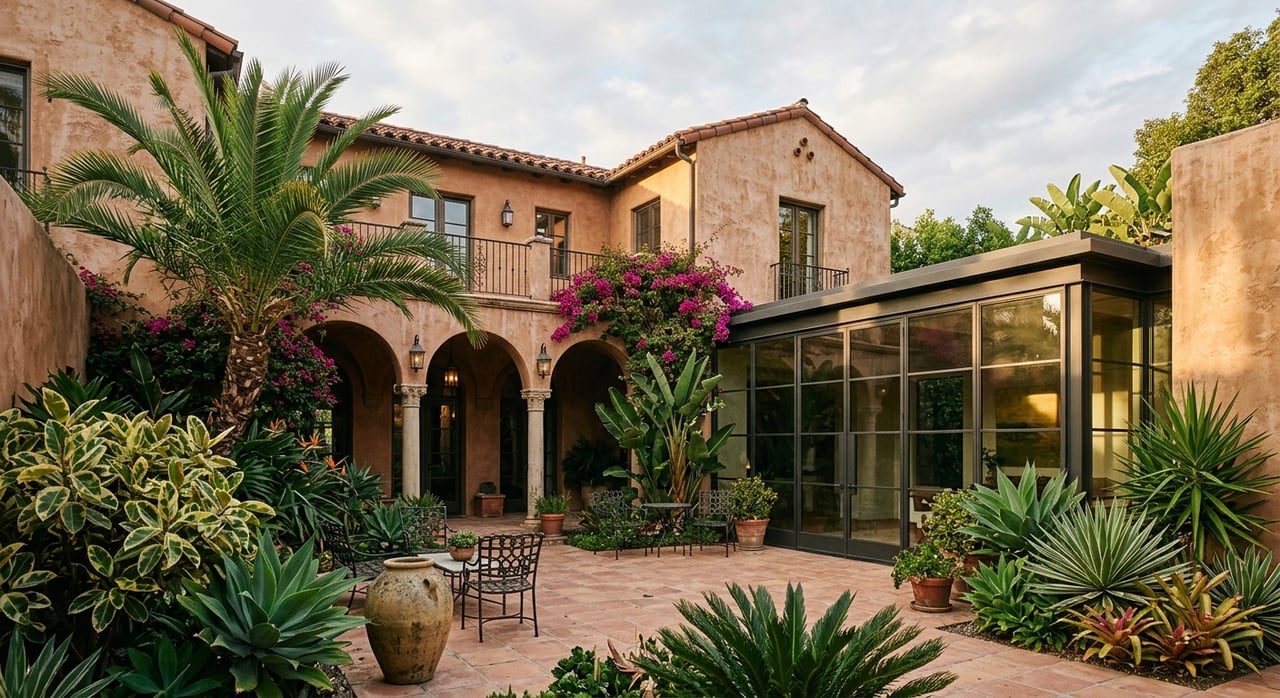
That matters because Coral Gables is not a place where one style dominates by accident. The city’s landmark inventory includes Mediterranean Revival icons like City Hall and Douglas Entrance, early vernacular coral-rock buildings like Merrick House, and other important architectural expressions that shape the local setting.
It also helps to separate the idea of an older home from a historic one. In Coral Gables, a home is not considered historic simply because it has age. Local designation is a formal public process, and properties generally must be at least 50 years old and also have architectural, historical, or cultural significance to be considered.
What Historic Homes Offer
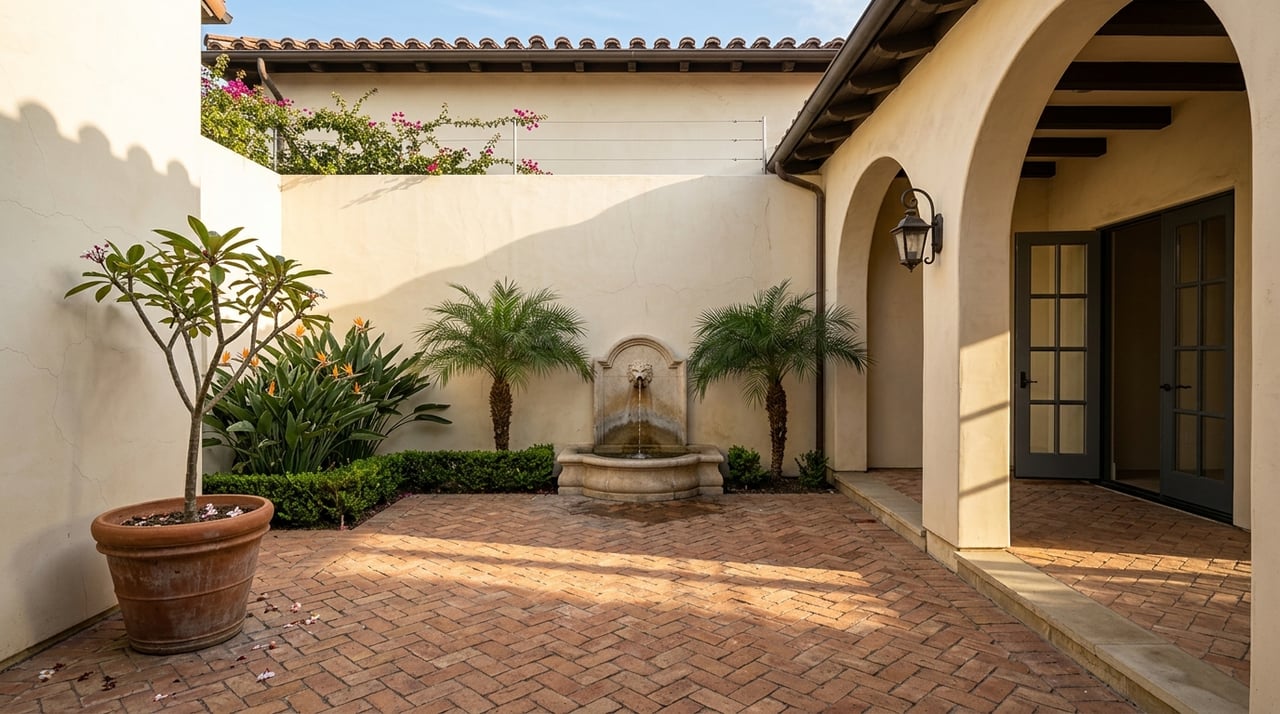
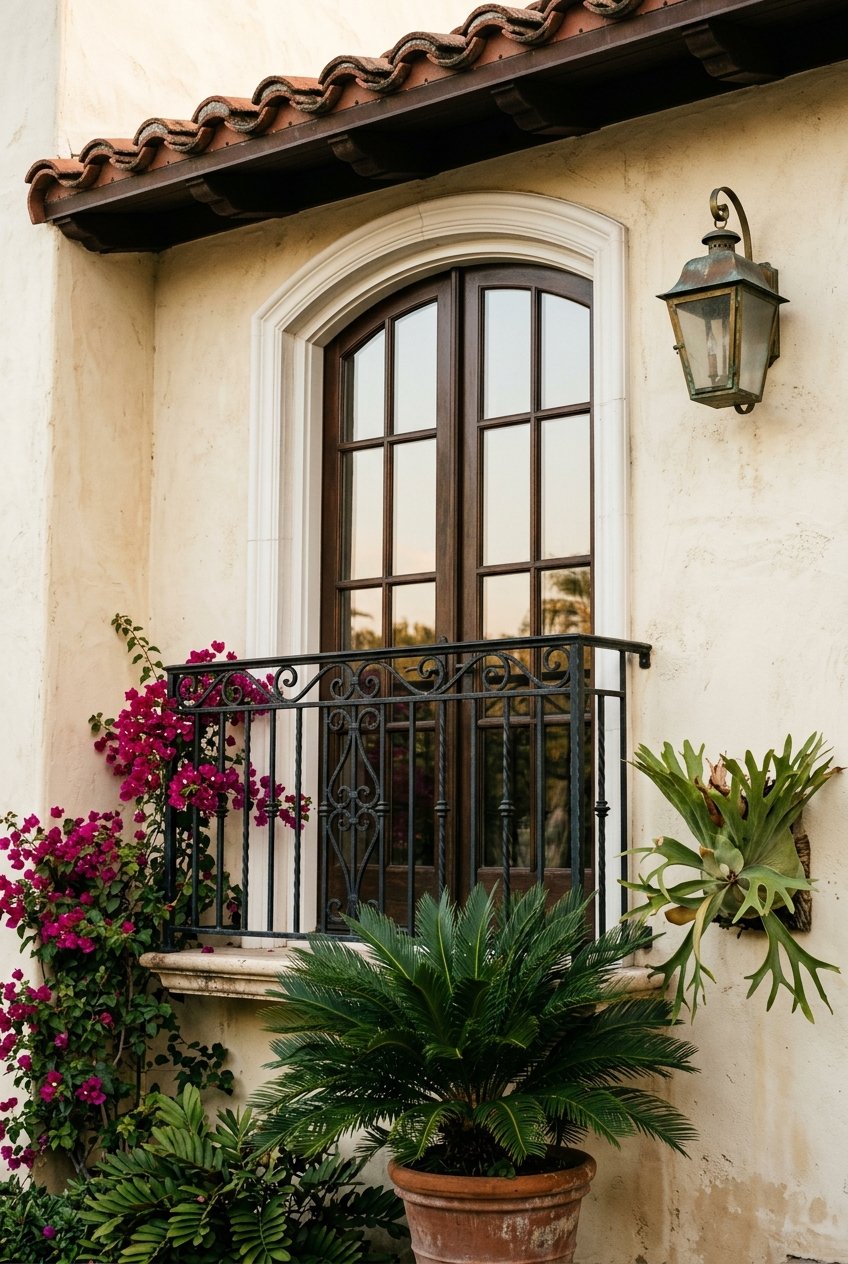
Historic Coral Gables homes tend to appeal to buyers who want authenticity and architectural detail that are difficult to reproduce. You may find original materials, coral rock, oolitic limestone, wood-frame vernacular construction, or period design language tied to the city’s early and mid-20th-century development.
For many buyers, the appeal is emotional as much as practical. A historic home can offer a stronger sense of craftsmanship, proportion, and character than a more recently built property. In Coral Gables, that often means Mediterranean Revival and Old Spanish influences that feel closely tied to the city itself.
Historic ownership can also feel more personal. You are not just buying square footage or a list of features. You are often becoming the next steward of a home with architectural meaning and a visible place in the streetscape.
Historic character can mean scarcity
One reason historic homes attract lasting attention is that they are limited in supply. A designated or architecturally significant home cannot simply be replicated on demand, and that scarcity can be part of its appeal in a market that values distinction.
Coral Gables also states that preservation supports economic strength by helping maintain the character of existing architecture. Buyers often value the unique identity of designated properties and the sense of stability that preservation can create.
What to Expect With Historic Upkeep
The tradeoff for character is usually a more hands-on ownership experience. Preservation standards emphasize maintaining existing form, integrity, and materials, with ongoing repair and maintenance taking priority over broad replacement.
In practical terms, that can mean more care in how work is planned and completed. If you own a designated property, exterior work that requires a permit is reviewed for its impact on the architecture. Some minor work, such as painting or repairs-in-kind, may be handled administratively, while additions, demolitions, and major exterior remodels can go before the Historic Preservation Board.
Interior remodeling is usually not reviewed unless tax relief is being requested for interior impacts. Some proposals considered maintenance may not require certificate review. Even so, if you are considering a historic home, it is wise to expect a more deliberate process for exterior changes.
Historic ownership may suit you if you value:
- Original architectural details
- A stronger sense of place
- Preservation-minded maintenance
- Long-term stewardship of a distinctive property
- Compatibility with the city’s traditional design culture
What New Construction Offers
New construction usually appeals to buyers who want convenience, updated systems, and fewer immediate maintenance concerns. In general, newer homes offer current code compliance and better baseline energy performance than older homes built under earlier standards.
Florida’s current statewide building code is the 8th Edition, effective December 31, 2023. That means newly built homes are designed and constructed under current requirements, which can be a meaningful benefit if your priority is a more turnkey ownership experience.
Some buyers also prioritize energy efficiency. Homes that earn ENERGY STAR certification must meet strict efficiency requirements and are at least 10 percent more energy efficient than homes built to minimum code levels.
New does not mean unrestricted
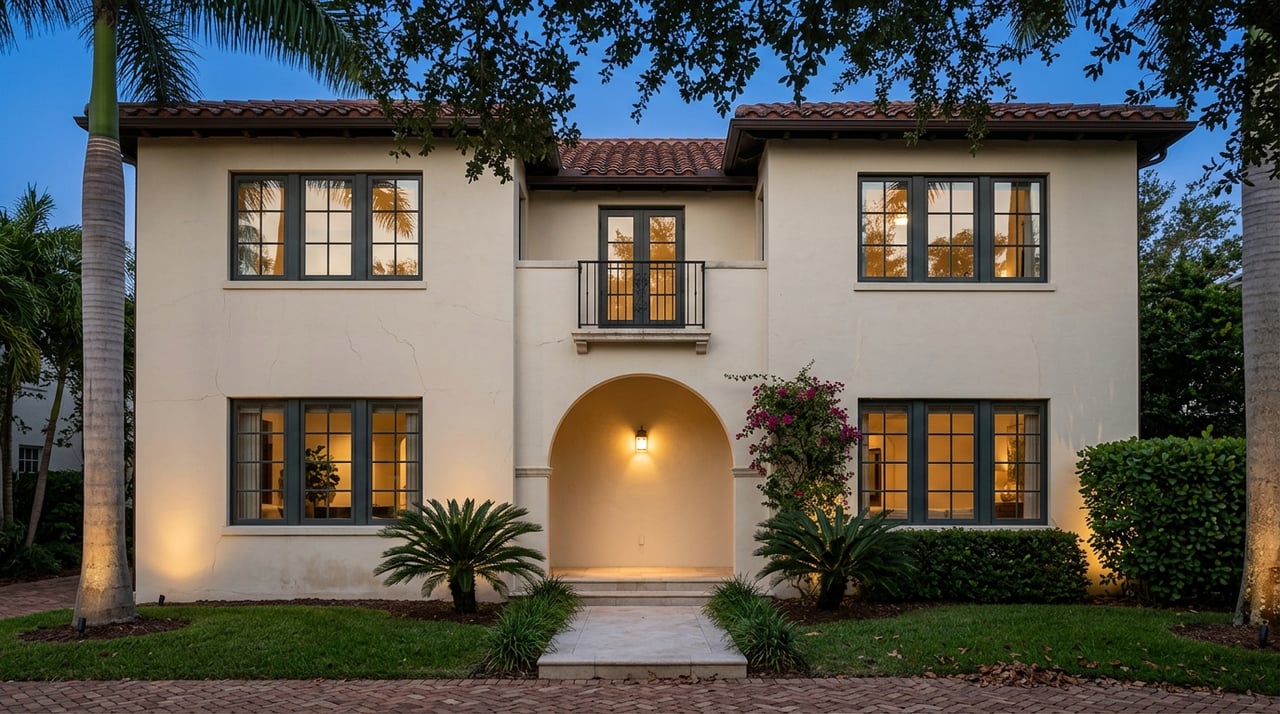
In Coral Gables, new construction still exists within a strong design framework. The city’s Board of Architects reviews new residences and other development applications to preserve the city’s traditional aesthetic character.
That review includes compatibility of materials, color, fenestration, proportion, and overall design. The city’s single-family guidance also points to factors like lot orientation, setbacks, porches, roof form, and raised foundations for flood prevention as part of the design conversation.
Even site planning can involve additional review. Coral Gables requires a tree survey and tree protection plan for Development Review Committee and Board of Architects submissions, as well as for demolition permits.
Historic Homes Versus New Construction
If you are deciding between the two, the most useful comparison is often stewardship versus convenience. Both can be excellent choices in Coral Gables, but they fit different lifestyles and priorities.
| Factor | Historic Coral Gables Home | New Construction in Coral Gables |
|---|---|---|
| Architectural character | Often defined by original period details and materials | Typically newer interpretation shaped by city design review |
| Upkeep | More hands-on, with preservation-minded maintenance | Usually simpler in the near term with newer systems |
| Renovation flexibility | Exterior changes may require added review on designated properties | New homes still face city design oversight, but not historic-preservation review in the same way |
| Energy performance | Varies by age, condition, and updates | Stronger baseline performance due to current code; can be higher with ENERGY STAR certification |
| Ownership experience | Often appeals to buyers who value stewardship and authenticity | Often appeals to buyers who want turnkey comfort and efficiency |
How to Think About Long-Term Value
It is reasonable to ask whether historic status helps value, but the answer is nuanced. Coral Gables states that local historic designation does not increase assessed property taxes solely because of the designation.
The city also notes that if approved restoration work adds value, both Miami-Dade County and the City of Coral Gables may offer a 10-year ad valorem incentive tied to the value of the improvements, subject to eligibility rules and application timing. That incentive is intended to encourage the rehabilitation and maintenance of historic structures.
At the same time, historic designation should not be treated as a guarantee of appreciation. Research findings on value effects are mixed and market-specific. A careful way to view it is this: historic status can support value when scarcity, prestige, preservation, and buyer demand align, but outcomes depend on the specific property and market context.
Questions that can clarify your choice
If you are torn between a historic home and a newer one, ask yourself:
- Do you want architectural authenticity or a more turnkey experience?
- How comfortable are you with ongoing maintenance and repair decisions?
- Would review requirements for exterior changes feel manageable or frustrating?
- Is energy efficiency a top priority from day one?
- Do you want a home that feels like a stewarded property, a fresh start, or something in between?
The Coral Gables Decision Is Often More Subtle
In many markets, this choice can feel like classic character versus modern convenience. In Coral Gables, the decision is more refined than that because even new homes are shaped by a citywide design culture that values traditional character.
That means you are often not choosing between charm and no charm. You are choosing between two versions of Coral Gables living: one rooted in original fabric and preservation, and another built for current systems and comfort while still respecting the city’s architectural standards.
For buyers who love design, that is good news. It means both paths can offer beauty and a strong sense of setting. The key is knowing how much maintenance, review, and stewardship you want your ownership experience to include.
If you are weighing a historic Coral Gables home against new construction, working with someone who understands architecture, preservation context, and the realities behind each option can make the process much clearer. Laura Mullaney & Jane Gomez-Mena bring deep Coral Gables experience and thoughtful guidance for buyers and sellers of architecturally distinctive homes.
FAQs
What makes a home historic in Coral Gables?
- In Coral Gables, a home is not considered historic just because it is old. Local designation is a formal public process, and properties generally must be at least 50 years old and have architectural, historical, or cultural significance.
Do historic Coral Gables homes face renovation rules?
- Yes. For designated properties, exterior work that requires a permit is reviewed for its architectural impact. Minor work may be handled administratively, while larger additions, demolitions, and major exterior remodels can go before the Historic Preservation Board.
Are new construction homes in Coral Gables easier to build or change?
- New construction may avoid historic-preservation review, but it is still subject to city design oversight. The Board of Architects reviews design compatibility, and some applications also require tree surveys and tree protection plans.
Do historic designations raise property taxes in Coral Gables?
- Coral Gables states that local historic designation does not increase assessed property taxes solely because of the designation.
Are there tax incentives for restoring historic homes in Coral Gables?
- Possibly. Miami-Dade County and the City of Coral Gables may offer a 10-year ad valorem incentive tied to the value of approved restoration improvements, subject to eligibility rules and application timing.
Which is better in Coral Gables: a historic home or new construction?
- The better choice depends on your priorities. Historic homes usually offer more architectural identity and stewardship responsibility, while newer homes tend to offer more turnkey systems, current code compliance, and lower-complexity upkeep.