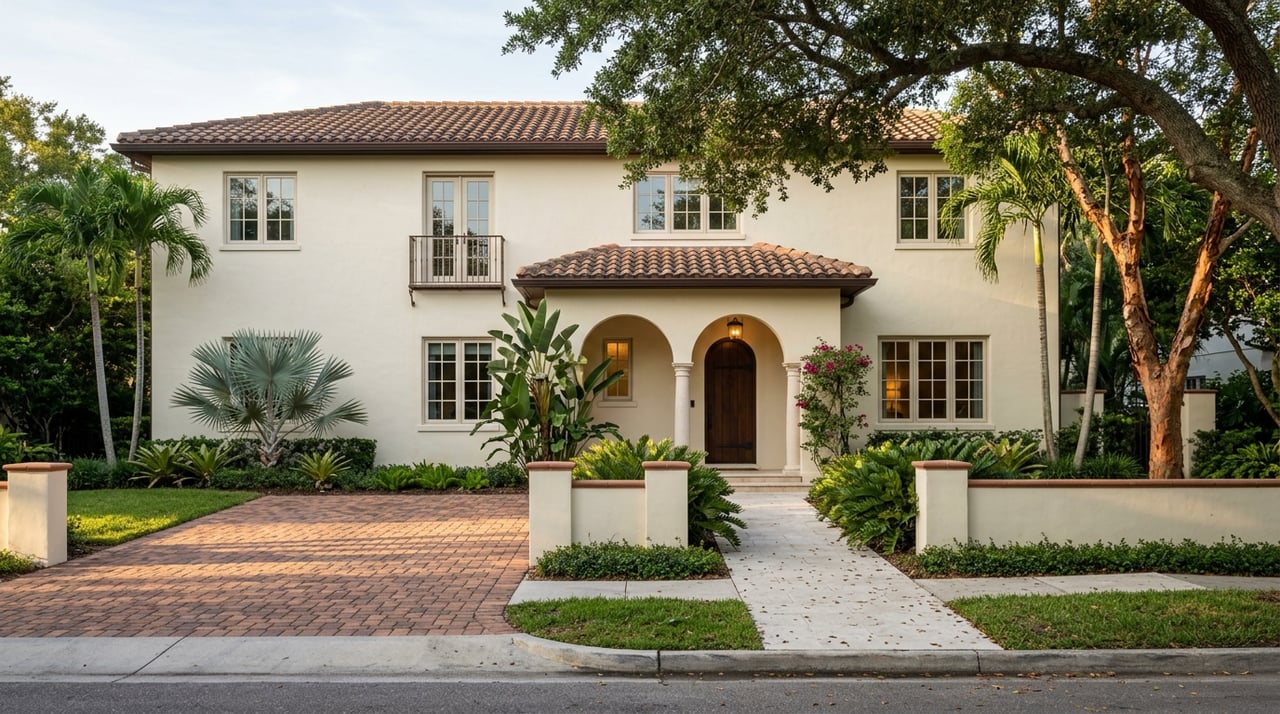
Wondering what it really feels like to live in a historic Coral Gables home every day? The answer is more than architecture. It is a lifestyle shaped by tree-lined streets, preserved details, walkable downtown spots, and the rhythms that come with owning a home in a city that takes its historic character seriously. If you are considering a move to Coral Gables or simply want a clearer picture of daily life in one of its older residences, this guide will walk you through what to expect. Let’s dive in.
Historic character shapes daily life
Living in a historic home in Coral Gables means your surroundings often feel intentional from the moment you step outside. The city describes Coral Gables as a planned City Beautiful and Garden City, with lush avenues, civic landmarks, and a broad preservation presence across the community. In fact, the city says that more than 1,000 properties are on the Coral Gables Register of Historic Places.
That has a real effect on everyday life. Instead of feeling like a place with just a few preserved blocks, Coral Gables often feels architecturally cohesive across many residential areas. You notice it in the mature landscaping, the scale of the homes, and the way streets and houses seem designed to work together.
Architectural details you notice every day
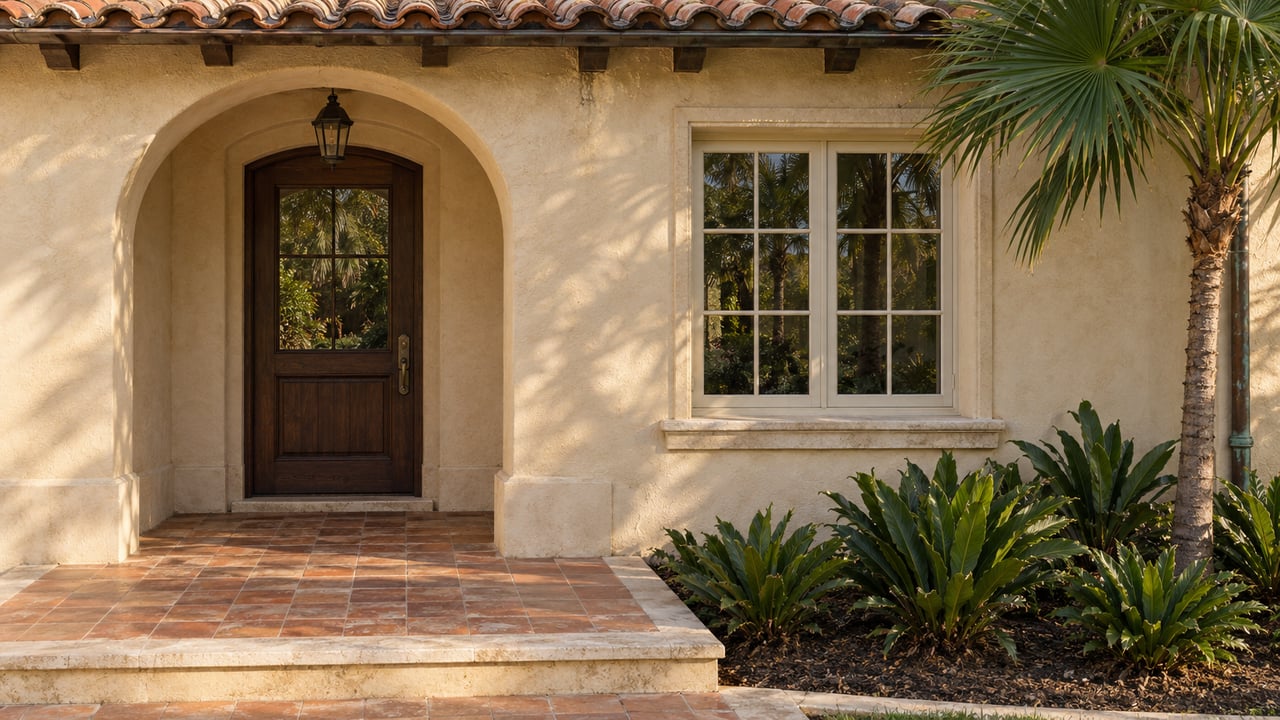
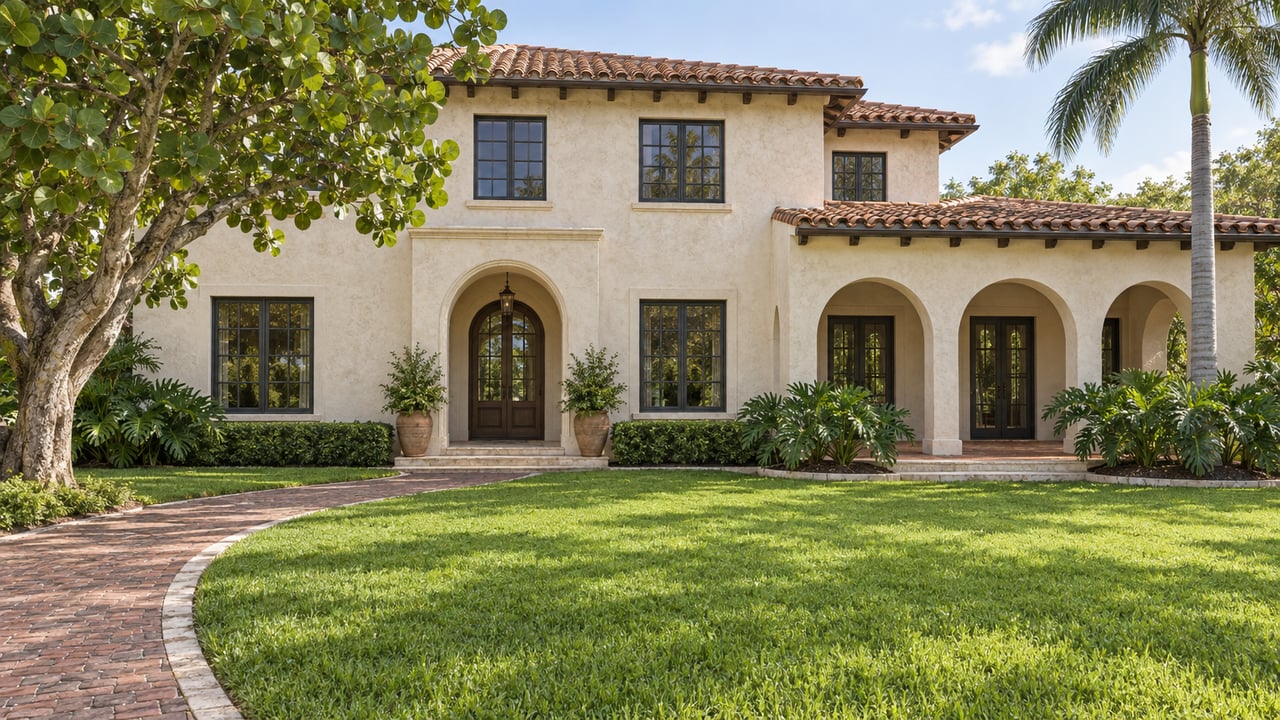
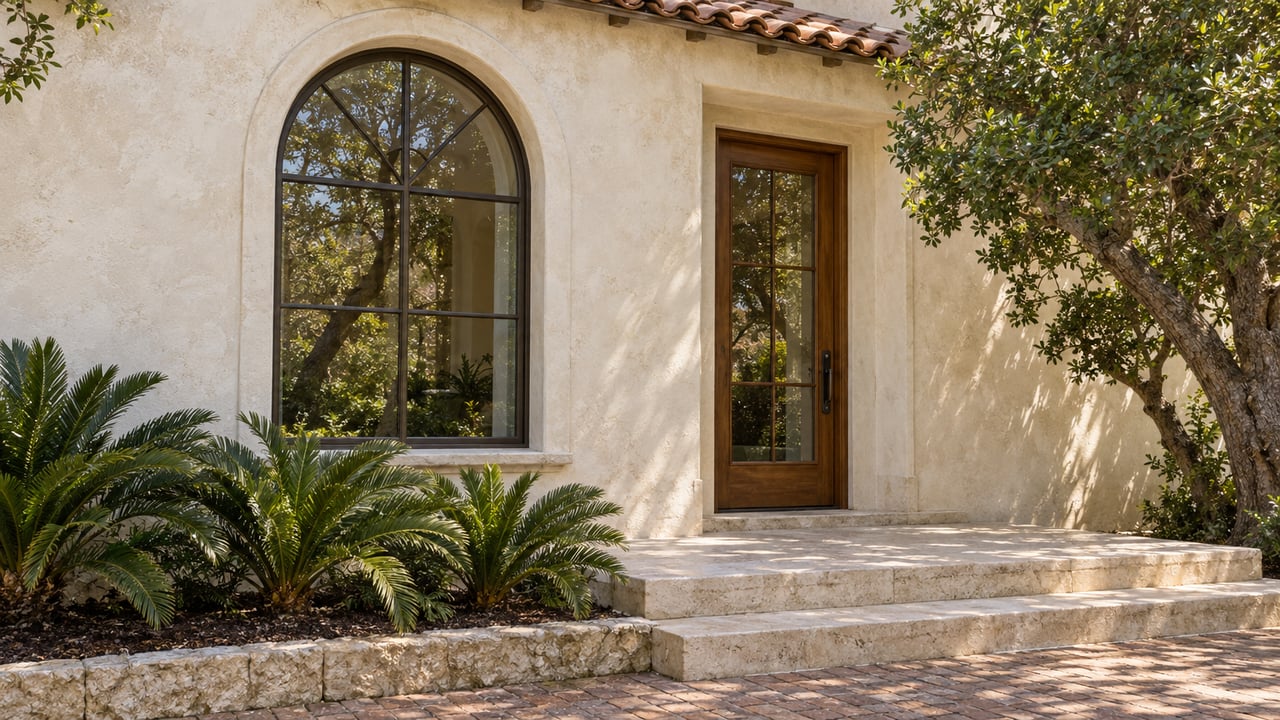
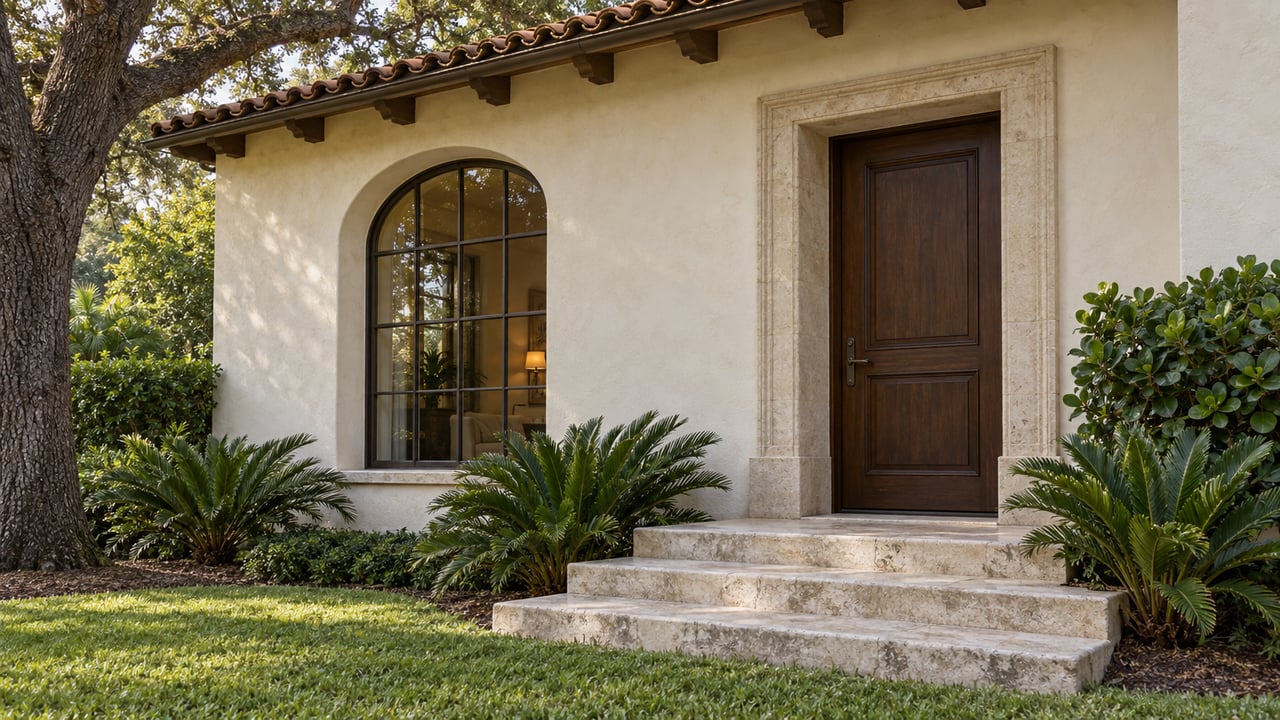
Many people associate historic Coral Gables with Mediterranean Revival design, and that influence is strong. The city’s landmarks highlight features like stucco facades, arches, coral rock, courtyards, barrel-tile roofs, and Spanish-inspired details across important local buildings and sites. Those same visual cues often show up in older homes throughout the city, giving day-to-day life a strong sense of place.
But historic Coral Gables is not all one style. The city also identifies the Dutch South African Village, Colonial Village, and the MacFarlane Homestead district, which includes wood-frame vernacular houses and is the only Coral Gables historic district listed on the National Register of Historic Places. If you are drawn to older homes, that variety matters because it means you can find different forms of character within the same city.
Streetscapes feel shaded and orderly
One of the biggest day-to-day pleasures of living in a historic Coral Gables home is the setting around it. The city describes its single-family neighborhoods as low-density areas with adequate yards and open space, tree-lined streets, and architecture of human scale. That description matches what many people notice right away: the neighborhoods feel calm, shaded, and carefully maintained.
The greenery is not accidental. Coral Gables says its Greenspace Management division maintains more than 40,000 trees and 380 green spaces across parks, medians, and rights-of-way. For you, that often translates into cooler walks, leafy views from your windows, and a sense that landscaping is part of the identity of the place.
Swales become part of homeownership
In Coral Gables, even the strip of grass between your house and the street has a role. The city explains that a swale is the grassy strip between a home and the street, and it helps with drainage, supports neighborhood appearance, and is used for yard-debris collection.
That may sound like a small detail, but it becomes part of everyday ownership. Curb appeal is not just about the house itself. It also includes how the swale looks, how yard debris is handled, and how your frontage contributes to the overall streetscape.
Mornings often feel quiet and residential
Historic Coral Gables tends to offer a residential experience that feels polished rather than rushed. Based on the city’s preservation and landscaping policies, daily life often reads as quiet, shaded, and well managed. You may find yourself enjoying front-porch coffee, courtyard light, or a short walk under a thick tree canopy before the day gets busy.
That sense of order is a big part of the appeal. If you like neighborhoods that feel established and intentionally cared for, historic Coral Gables often delivers that experience in a very consistent way.
Downtown is close for errands and dining
Historic living here does not mean you are cut off from convenience. Downtown Coral Gables offers a mix of practical errands, dining, and culture that supports daily life. Miracle Mile, located on Coral Way between LeJeune Road and Douglas Road, is described by the city as the main downtown spine and home to outdoor cafés, boutiques, more than 120 international restaurants, and regular community events.
For you, that means grabbing coffee, meeting friends for lunch, browsing shops, or spending part of a weekend evening downtown can feel built into the lifestyle. It is a nice balance with the quieter feel of the residential streets.
Giralda Plaza adds a pedestrian feel
Another everyday advantage is Giralda Plaza, the pedestrian walkway on the 100 block of Giralda Avenue. The city says it is lined with restaurants, bars, and coffee shops with indoor and outdoor seating, and that Giralda Live brings recurring first-Friday energy to the area.
This creates an easy option when you want a more walkable, social setting without going far. For many residents, that helps historic-home living feel both peaceful and connected.
Shopping and culture stay within reach
If you want retail options beyond downtown storefronts, the city notes that Shops at Merrick Park and Coral Gables shopping and gallery destinations add another layer of convenience. The same city resources also highlight Gables Gallery Night on the first Friday of the month.
Coral Gables also describes itself as home to a museum and art cinema on Aragon Avenue, four live theaters, many fine art galleries, Books & Books, and a spring farmers market in front of City Hall on its dynamic destination page. For someone living in a historic house, that cultural access can make the lifestyle feel fuller and more rooted.
Recreation fits the setting
Day-to-day life in Coral Gables is not only about beautiful houses and downtown dining. The city also highlights a range of recreational destinations, including the Coral Gables Museum, Merrick House, Matheson Hammock Park and Marina, the Venetian Pool, golf courses, parks, tennis courts, hiking, and bike paths on its historical landmarks and attractions resources.
That means a historic home here can come with more than architectural charm. It can also support a lifestyle that includes weekend park visits, time on the water, museum outings, or active outdoor routines close to home.
Getting around can be easier than expected
People sometimes assume older residential areas are entirely car-dependent, but parts of Coral Gables offer more flexibility. The free Coral Gables Trolley runs Monday through Saturday from 6:30 a.m. to 10 p.m., connects to Metrorail and Metrobus, and includes a Grand Avenue route through the historic McFarlane Homestead District.
If you live nearby, that can make certain errands, downtown visits, or transit connections easier without relying on your car every time. In the downtown core especially, daily life can feel more walkable than many people expect.
Ownership comes with preservation rules
One of the most important realities of living in a historic Coral Gables home is that character is protected by process. According to the city’s historic preservation guide, local designation generally applies to properties that are at least 50 years old, and exterior changes on designated properties typically require a Certificate of Appropriateness before work can move forward.
That does not mean ownership is defined by constant red tape. It does mean you should expect a level of review when planning exterior changes. In practice, many buyers see this as part of the tradeoff that helps preserve the quality and consistency of the surrounding neighborhood.
Historic designation is not all downside
The same city guide makes a few helpful points for homeowners. It says historic designation does not automatically increase property taxes, and it notes that approved improvements may qualify for local tax incentives. It also explains that proposed changes are reviewed for compatibility with the existing architecture, rather than being prohibited outright.
That is an important distinction. If you are considering a historic home, the goal is not to freeze the property in time. It is to make changes thoughtfully within a framework that respects the home’s architectural identity.
Is historic Coral Gables living right for you?
Historic Coral Gables tends to suit buyers who value atmosphere, craftsmanship, and a neighborhood setting with a clear visual identity. Daily life often feels polished, green, and connected to the city’s architectural history. At the same time, ownership can require more awareness around upkeep, exterior changes, and the details that keep an older home looking its best.
If that sounds appealing, the experience can be deeply rewarding. You are not just buying square footage. You are stepping into a home and a streetscape that reflect a long-standing vision of how a city should look and feel.
Whether you are buying or preparing to sell a historic property, working with a team that understands preservation context, design, and the nuances of architecturally distinctive homes can make the process much smoother. Laura Mullaney & Jane Gomez-Mena bring deep Coral Gables knowledge and a thoughtful approach to historic and character-rich homes.
FAQs
What is daily life like in a historic Coral Gables home?
- Daily life often feels quiet, shaded, and visually cohesive, with tree-lined streets, human-scale architecture, and easy access to downtown dining, shopping, and culture.
Are all historic Coral Gables homes Mediterranean Revival?
- No. While Mediterranean Revival is a major part of Coral Gables architecture, the city also identifies Dutch South African, Colonial, and wood-frame vernacular historic areas.
Is historic-home ownership in Coral Gables heavily regulated?
- Not in every aspect, but exterior changes on designated historic properties typically require review through a Certificate of Appropriateness process.
Does living in historic Coral Gables feel walkable?
- In and near the downtown core, it can. Miracle Mile and Giralda Plaza are pedestrian-oriented, and the free Coral Gables Trolley helps connect some areas with downtown and transit.
Do historic designations in Coral Gables automatically raise property taxes?
- No. The city’s preservation guide says historic designation does not automatically increase property taxes, and some approved improvements may qualify for local tax incentives.