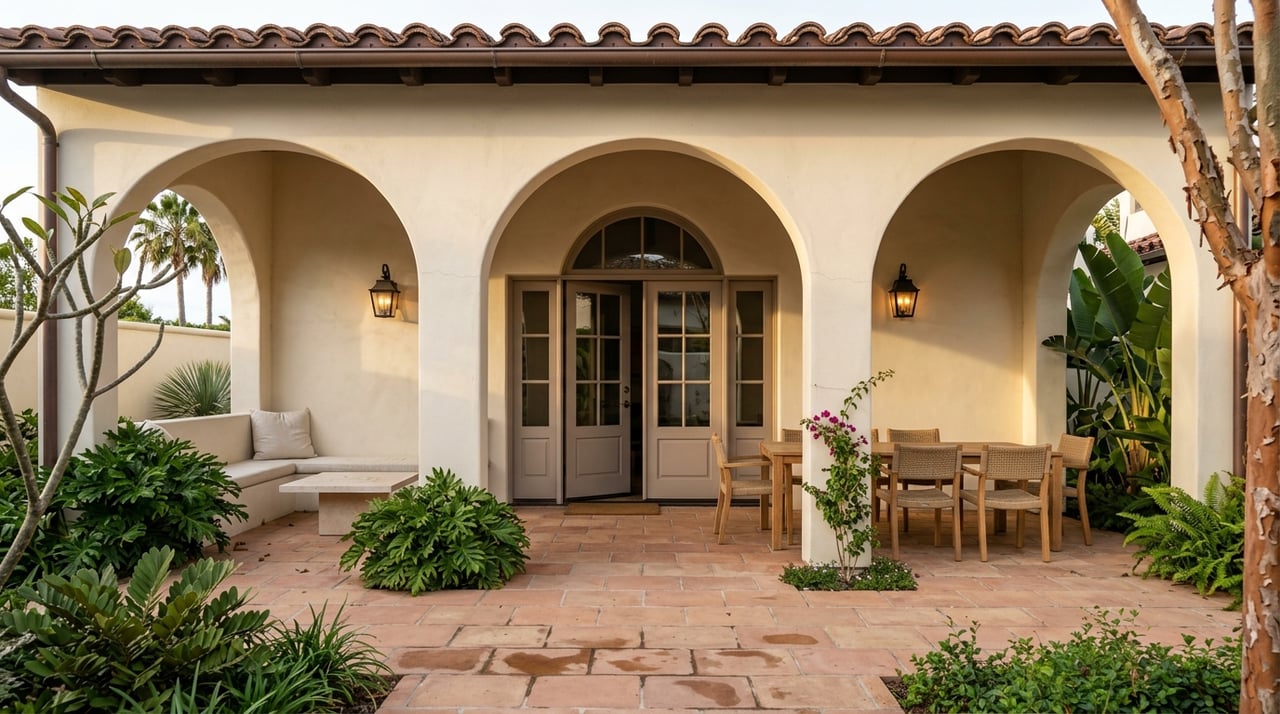
If you are drawn to Coconut Grove, chances are you are not just looking for square footage. You are looking for a home that lets you live well outside, too. In a neighborhood shaped by shade, shoreline, and tropical gardens, outdoor living is not a bonus feature. It is part of the lifestyle and often part of the home’s architectural story. Let’s take a closer look at what outdoor living at home in Coconut Grove really means.
Why outdoor living fits Coconut Grove
Coconut Grove is widely known as Miami’s oldest neighborhood, and its identity has long been tied to green space, tree canopy, and a village-like setting. Local planning guidance for the area is designed to preserve its heavily landscaped character, tropical vegetation, and open green space. That matters because it helps explain why porches, garden terraces, and shaded patios feel so natural here.
You can see that legacy in public places like The Barnacle Historic State Park and The Kampong. Both reflect the Grove’s deep connection to native landscape, tropical planting, and outdoor rooms that respond to breeze, shade, and bayfront light. For homeowners and buyers, those settings offer a useful reference point for what feels authentic in the neighborhood.
Outdoor rooms are part of the architecture
In Coconut Grove, the best outdoor spaces usually do not feel added on as an afterthought. They tend to feel connected to the house itself, with rooflines, circulation, and scale that support the way you move from inside to out. That is one reason architecturally distinctive homes often stand out here.
Historic preservation guidance from the City of Miami points to several home styles that naturally support outdoor living. In practical terms, that means many Grove homes already have the bones for comfortable, elegant exterior spaces.
Conch and Bahamian porches
In the Charles Avenue area, Bahamian or Conch houses were often raised on posts or masonry piers to allow air circulation below. These homes frequently included balustraded porches that wrapped around the house. That porch tradition still speaks to the Grove’s climate and relaxed rhythm.
For you as a buyer, that may translate into everyday livability. A wraparound porch can create shaded seating, a breezy entry, and a stronger connection to the garden without changing the home’s essential character.
Bungalows built for climate
South Florida bungalows were also designed with outdoor comfort in mind. Deep porches, broad eaves, large windows, and attic vents all helped these homes respond to heat and humidity.
If you are evaluating a bungalow in Coconut Grove, look closely at how those original features still function. A covered porch with good proportions can be more valuable than a larger but exposed patio that sits unused for much of the year.
Mediterranean courtyards and loggias
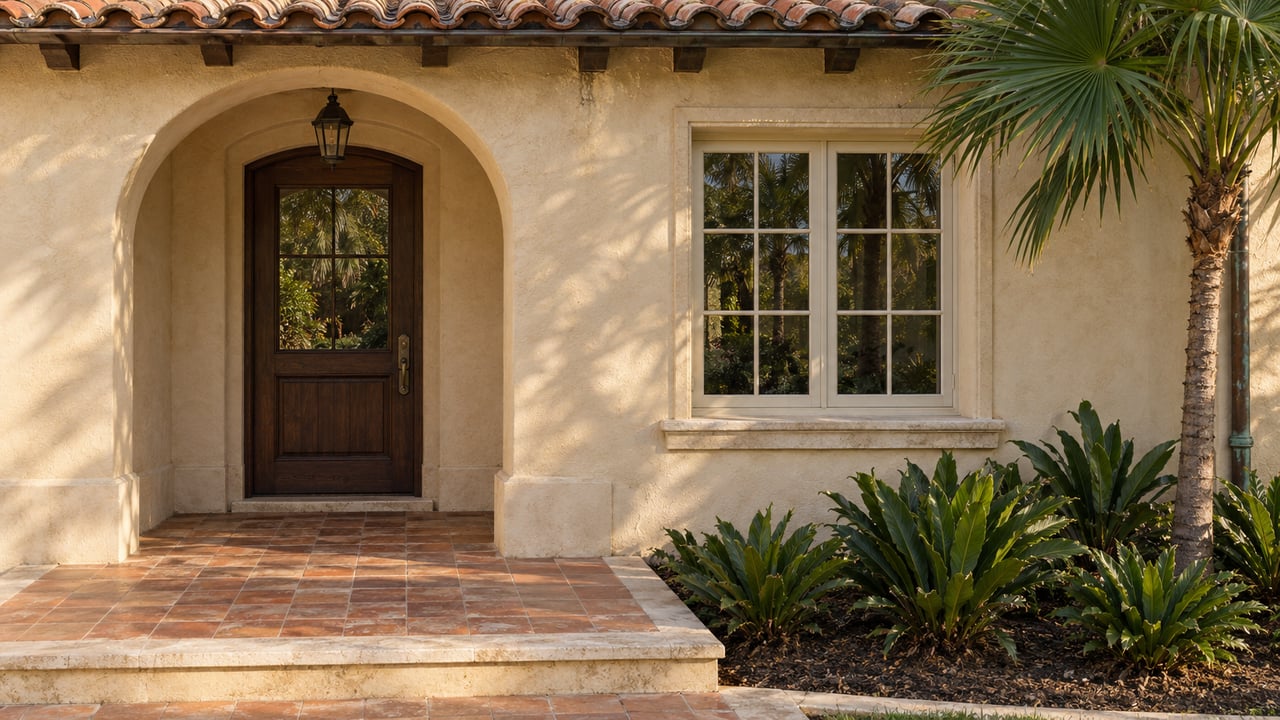
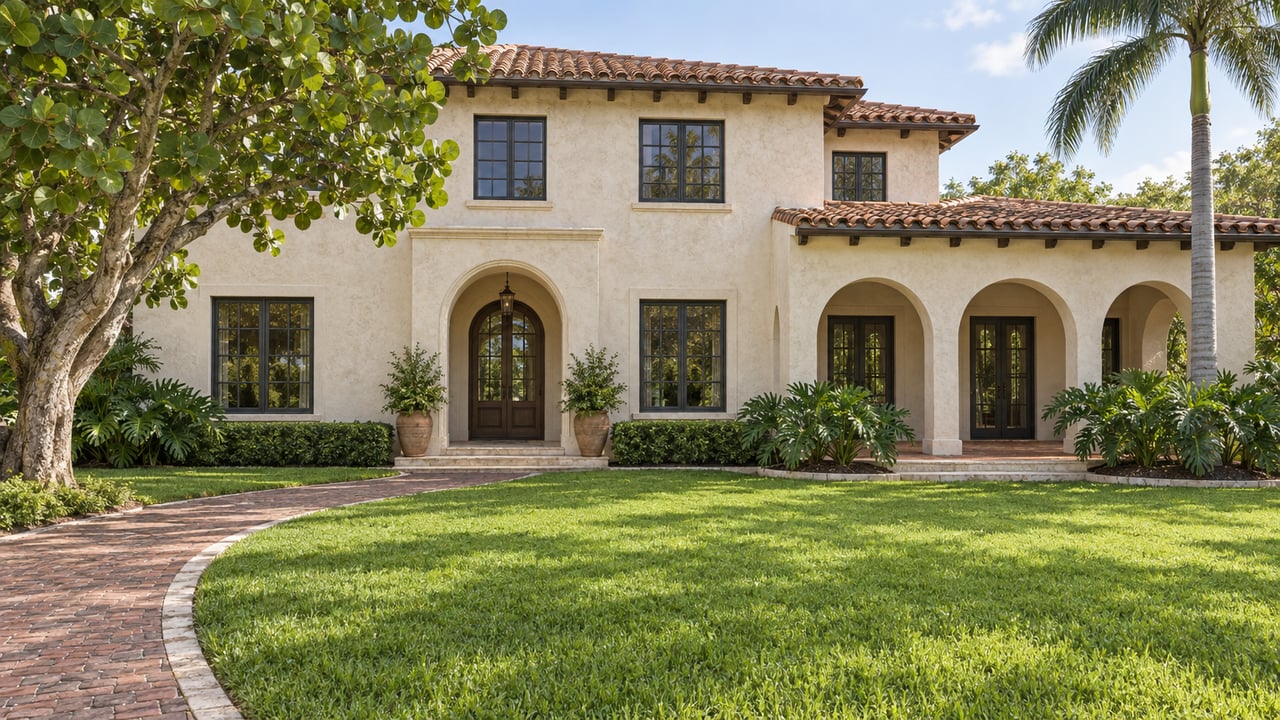
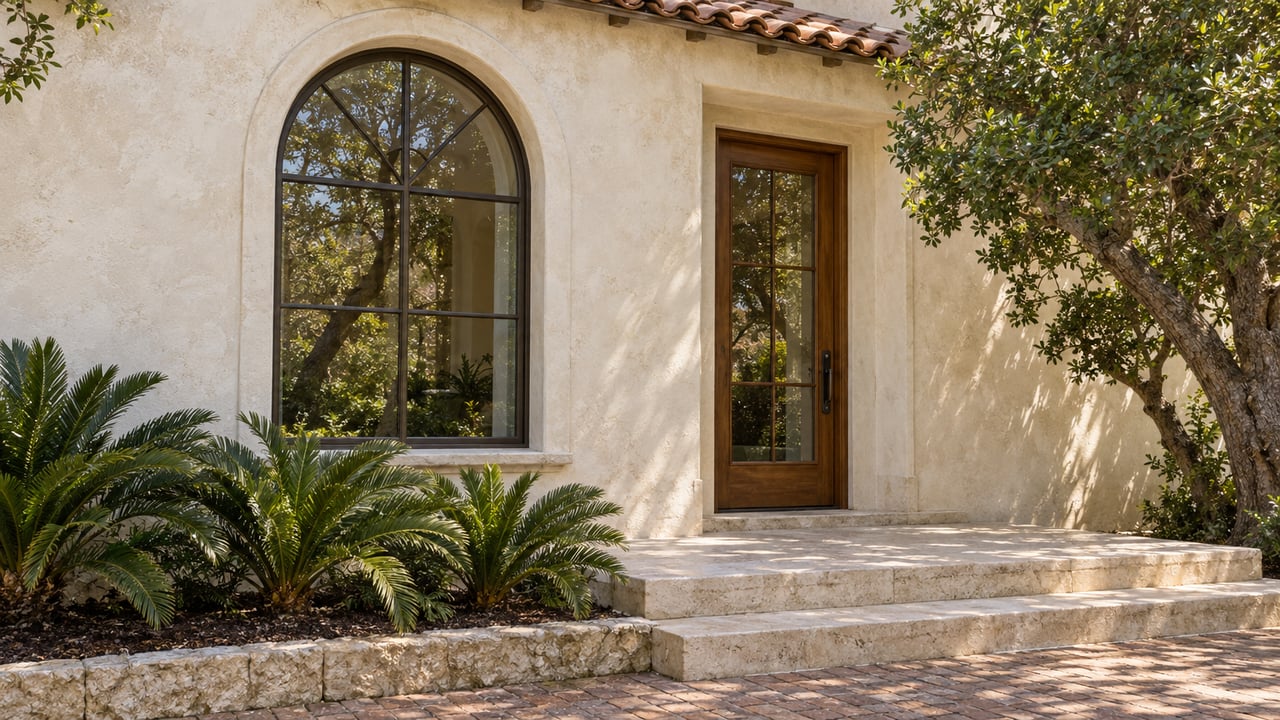
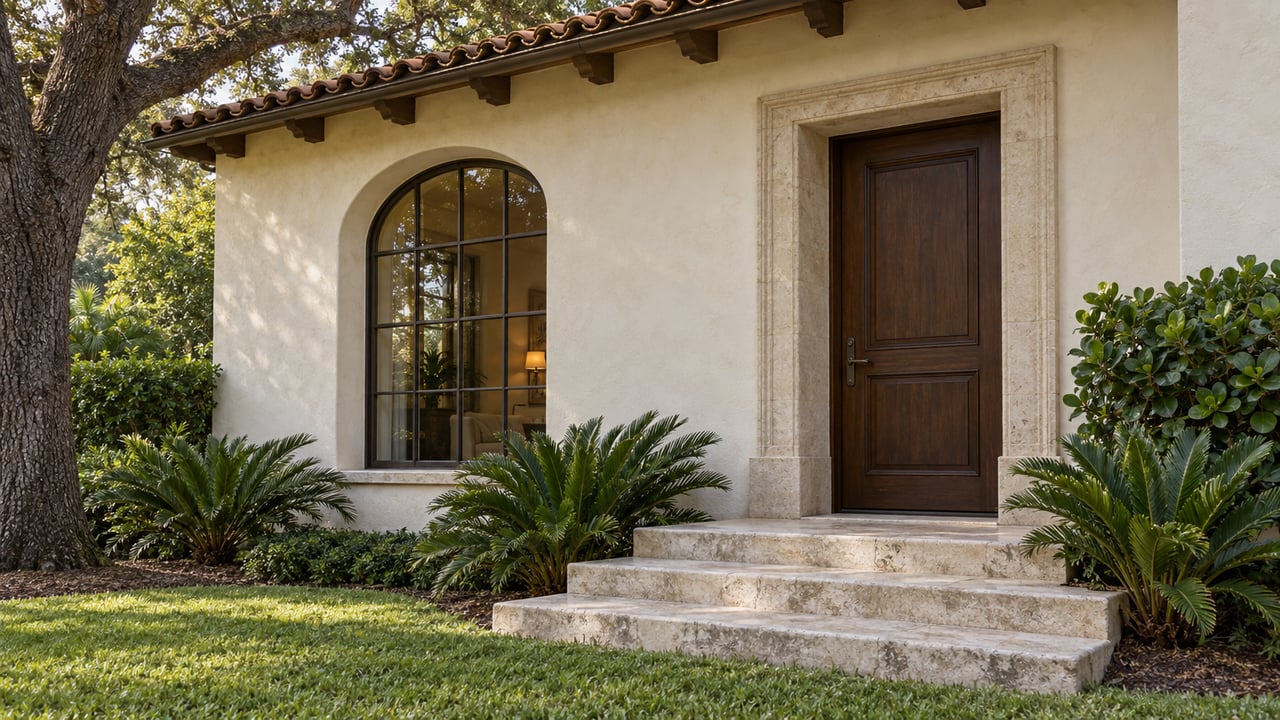
Mediterranean Revival homes often take a different approach. Instead of a traditional front porch, they may feature courtyards, patios, balconies, and loggias. These spaces can feel more private and enclosed while still offering strong indoor-outdoor flow.
For sellers, this matters when preparing a home for market. A courtyard or loggia should feel like a true living area, not just leftover exterior square footage. Thoughtful presentation can help buyers see how the architecture supports outdoor dining, quiet mornings, or evening entertaining.
Miami Modern verandas
Miami Modern homes often include open-air verandas and other informal exterior spaces. In the Grove, these can work especially well when they are paired with mature landscaping and simple, clean transitions between the house and the yard.
This style often appeals to buyers who want a relaxed, design-led lifestyle. The outdoor areas may feel less formal, but they still benefit from strong shade, clear purpose, and a connection to the home’s original lines.
Landscape matters as much as hardscape
One of the most important things to understand about Coconut Grove is that the landscape often carries as much visual weight as the house. The local planning framework emphasizes abundant landscaping, tree canopy, and green-space requirements. In NCD-3, green space must meet a minimum requirement equal to 0.3 times the lot area.
That is a meaningful distinction in a market where some buyers might first focus on pools, decks, or expansive paved areas. In the Grove, mature trees, planting beds, and permeable surfaces often contribute more to long-term character and comfort than hardscape alone.
What buyers should look for
If outdoor living is high on your wish list, pay attention to these details during a showing:
- Covered areas you can use in more than one season
- Mature shade trees and layered landscaping
- A clear transition from interior rooms to porch, terrace, or garden
- Privacy created by planting rather than only walls or fencing
- Outdoor areas that feel consistent with the home’s style
- Surfaces and layout that appear practical for rain and humidity
These features may sound simple, but together they shape whether an outdoor space feels inviting in daily life.
What sellers should think about
If you are preparing a Coconut Grove home for sale, outdoor areas deserve the same care as interior rooms. Buyers in this market often respond to setting, architecture, and atmosphere as a complete package.
That does not mean overbuilding or crowding the yard with features. Often, the strongest presentation comes from clarifying the purpose of each space, refreshing landscaping, and making sure porches, patios, and terraces feel usable, shaded, and visually connected to the home.
Comfort is key in the Grove climate
Outdoor living in Coconut Grove is shaped by South Florida weather. NOAA monthly normals for nearby Miami Beach show an annual mean temperature of 76.1°F. Average highs in July and August are near 88°F, and annual precipitation reaches 57.18 inches, with late summer among the wettest periods.
Miami-Dade County identifies its heat season as running from May 1 through October 31. Atlantic hurricane season runs from June 1 through November 30. For homeowners, that means beautiful outdoor spaces also need to be practical.
Features that support everyday use
While each property is different, certain design choices tend to support comfort in this climate:
- Deep overhangs or covered porches for shade
- Airflow through open layouts or breezy seating areas
- Ceiling fans in covered exterior rooms
- Screened or retractable enclosures where appropriate
- Durable exterior finishes suited to heat and moisture
- Furniture and accessories that can be secured during storm season
These are not just style decisions. They can shape how often you actually use the space.
Outdoor living should feel compatible
In Coconut Grove, exterior changes are often best understood as questions of compatibility rather than simple preference. Neighborhood conservation guidance is meant to protect tree canopy, green space, and architectural variety. Because of that, the most successful outdoor spaces usually feel in tune with both the lot and the home.
For design-minded buyers, this is part of what makes the Grove special. The goal is not to force every property into the same look. It is to understand what the house, site, and landscape already do well, then build on that.
A simple way to evaluate a property
When you tour a home, ask yourself a few practical questions:
- Does the outdoor space feel integrated with the house?
- Is there enough shade to use it comfortably?
- Do the trees and planting add to the setting?
- Is the balance between green space and paving appealing?
- Could you imagine using the space in daily life, not just for special occasions?
Those questions often reveal more than a long list of features.
Why this matters in a distinctive home search
Coconut Grove buyers are often looking for more than a generic backyard. They want outdoor spaces that match the home’s architecture and the neighborhood’s landscape character. That is especially true with historic, vintage, and design-led properties, where proportion, setting, and preservation context can affect both enjoyment and value.
For sellers, this creates an opportunity. When a home’s porch, courtyard, veranda, or garden terrace is presented as part of its architectural identity, buyers can better understand what makes the property special. In a place like Coconut Grove, that story matters.
If you are thinking about buying or selling a home with meaningful outdoor living potential in the Grove, working with a team that understands architecture, setting, and presentation can make a real difference. Laura Mullaney & Jane Gomez-Mena bring a preservation-aware, design-focused perspective to distinctive homes across Coconut Grove and nearby neighborhoods.
FAQs
What makes outdoor living important in Coconut Grove homes?
- Outdoor living is closely tied to Coconut Grove’s identity, which includes tree canopy, tropical landscaping, green space, and home styles that often feature porches, patios, courtyards, loggias, or verandas.
Which Coconut Grove home styles support outdoor living best?
- Conch or Bahamian houses, South Florida bungalows, Mediterranean Revival homes, and Miami Modern homes all have architectural traditions that naturally support usable exterior spaces.
What should buyers look for in a Coconut Grove outdoor space?
- Buyers should look for shade, mature landscaping, covered seating areas, privacy, practical transitions from indoors to outdoors, and a layout that works well in heat, humidity, and rain.
How does Coconut Grove planning affect outdoor spaces?
- Neighborhood conservation guidance in Coconut Grove emphasizes preserving green space, tree canopy, and neighborhood character, so exterior spaces often work best when they are compatible with the home and lot rather than overly hardscaped.
How does the Coconut Grove climate shape outdoor living design?
- The local climate favors shaded, breezy, and weather-aware outdoor spaces because the area experiences long heat season conditions, high humidity, significant rainfall, and hurricane season each year.