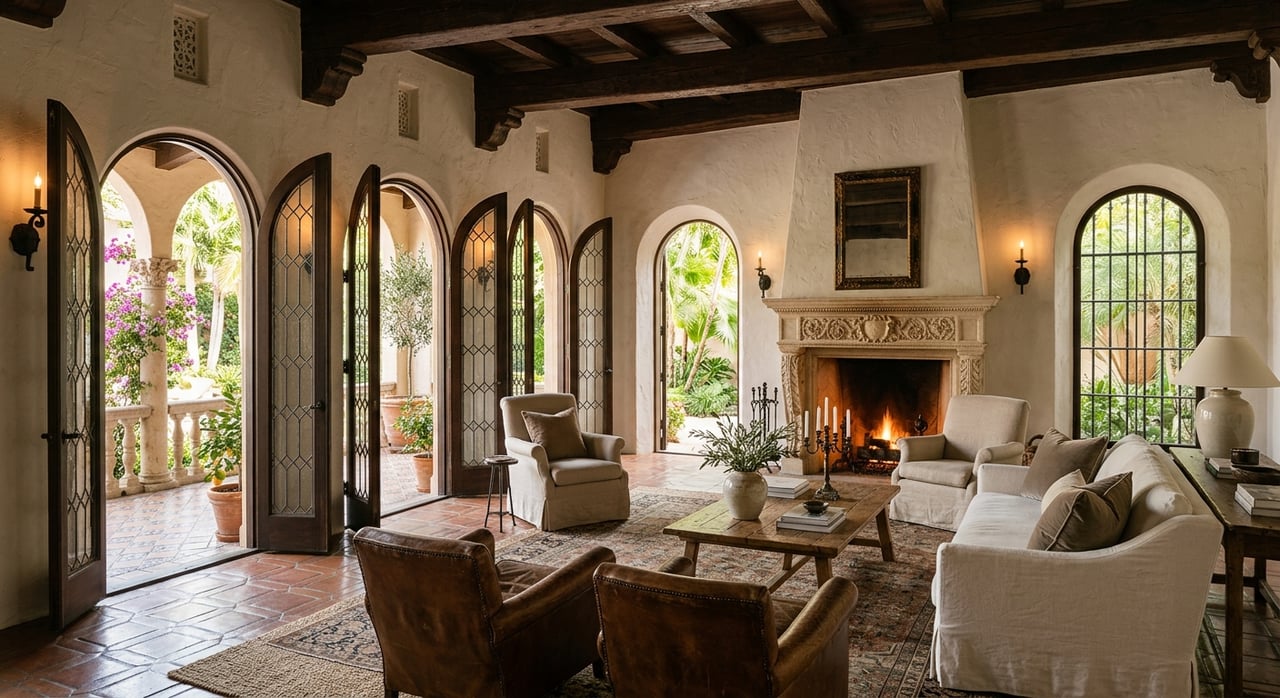
If you own a historic home in Coral Gables, you already know it is not just another house on the market. Buyers often see these properties as a mix of home, design statement, and piece of the city’s architectural story. That creates real opportunity, but it also means pricing and positioning need more care than they would for a standard listing. In this guide, you will learn what shapes value, how buyers evaluate historic homes today, and how to present your property in a way that supports both interest and price. Let’s dive in.
Why Coral Gables Historic Homes Stand Apart
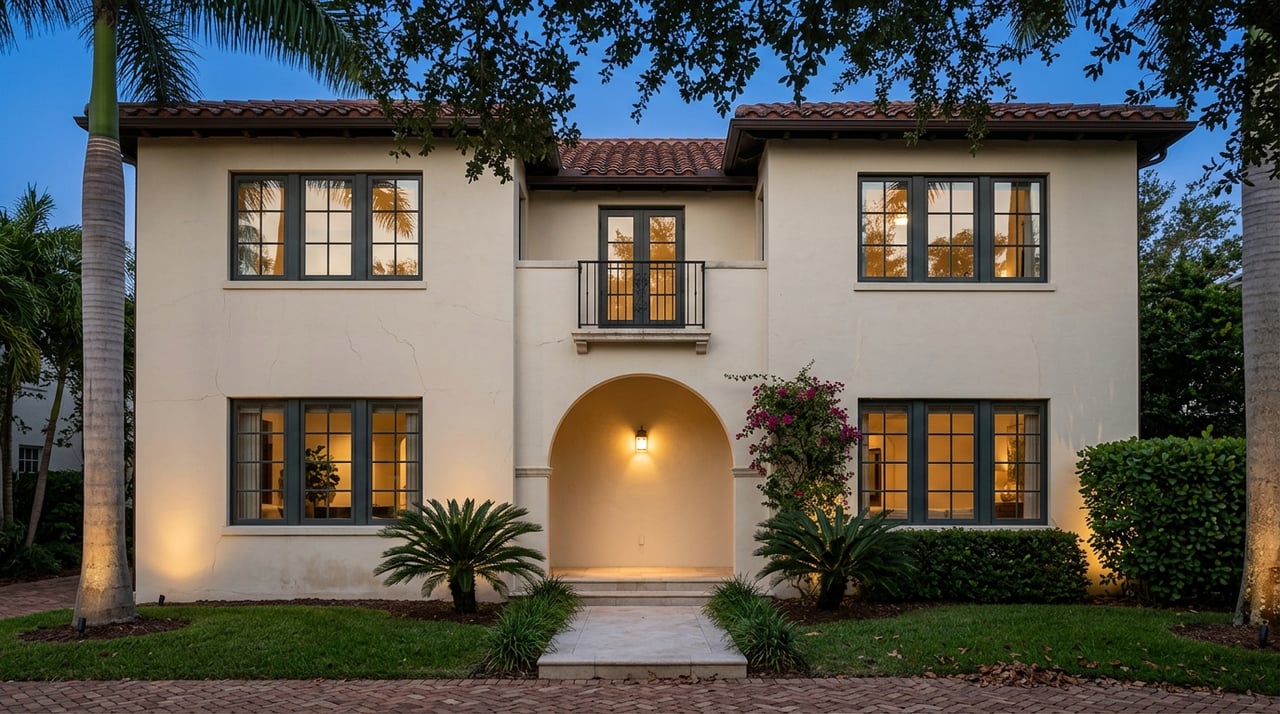
Coral Gables was developed quickly between 1921 and 1926, with a strong emphasis on planning, architecture, and materials that still define the city today. The city notes that more than 1,000 properties are on the Coral Gables Register of Historic Places, with styles that include Italian, French Normandy, Dutch South African, Chinese, Florida Pioneer/Colonial, and French Country examples.
That history matters when you sell. A historic Coral Gables home is often judged on more than square footage and bedroom count. Buyers also respond to architectural integrity, original details, and how well the home has been cared for over time.
If your property is designated, that status also affects how future work is handled. The city requires a Certificate of Appropriateness before most exterior work begins and before a building permit can be issued. At the same time, the city notes that designated properties are not charged extra fees solely because they are historic.
Why Pricing Needs Precision
Coral Gables remains a premium market, but premium does not mean automatic overpricing. Redfin’s March 2026 snapshot showed a median sale price of $1.225 million in Coral Gables, a median 113 days on market, a 95.2% sale-to-list ratio, and price drops on 17.6% of homes.
That tells you something important. Buyers are still active, but they are paying attention to value, condition, and fit. A historic home can absolutely command strong pricing, yet it still needs to enter the market at a number that reflects how buyers compare it to other character properties.
The wider Miami-Dade single-family market also supports that point. In Q1 2026, the county showed 5.7 months of supply, a 94.5% original-list-price received rate, and a median 58 days to contract. In other words, this is not a market where sellers can rely on charm alone.
What Buyers Pay For in a Historic Home
When buyers look at a historic Coral Gables property, they tend to focus on three big questions: Is the character real? Is the house livable today? Has it been cared for properly? Those questions shape both pricing and marketing.
The strongest value signals are usually architectural integrity, condition, and documentation. Coral Gables’ preservation guidance emphasizes preserving distinctive features, finishes, and construction techniques, repairing deteriorated features rather than replacing them when possible, and making new work compatible with the home’s size, scale, and architectural character.
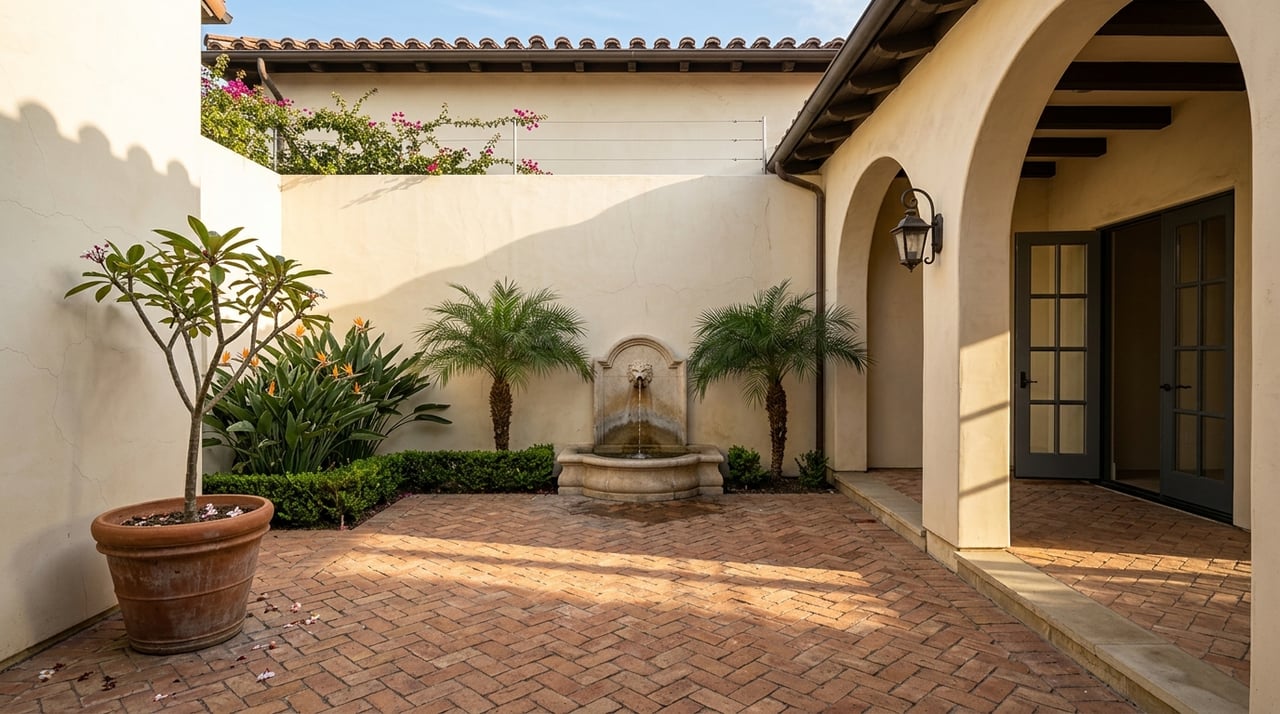
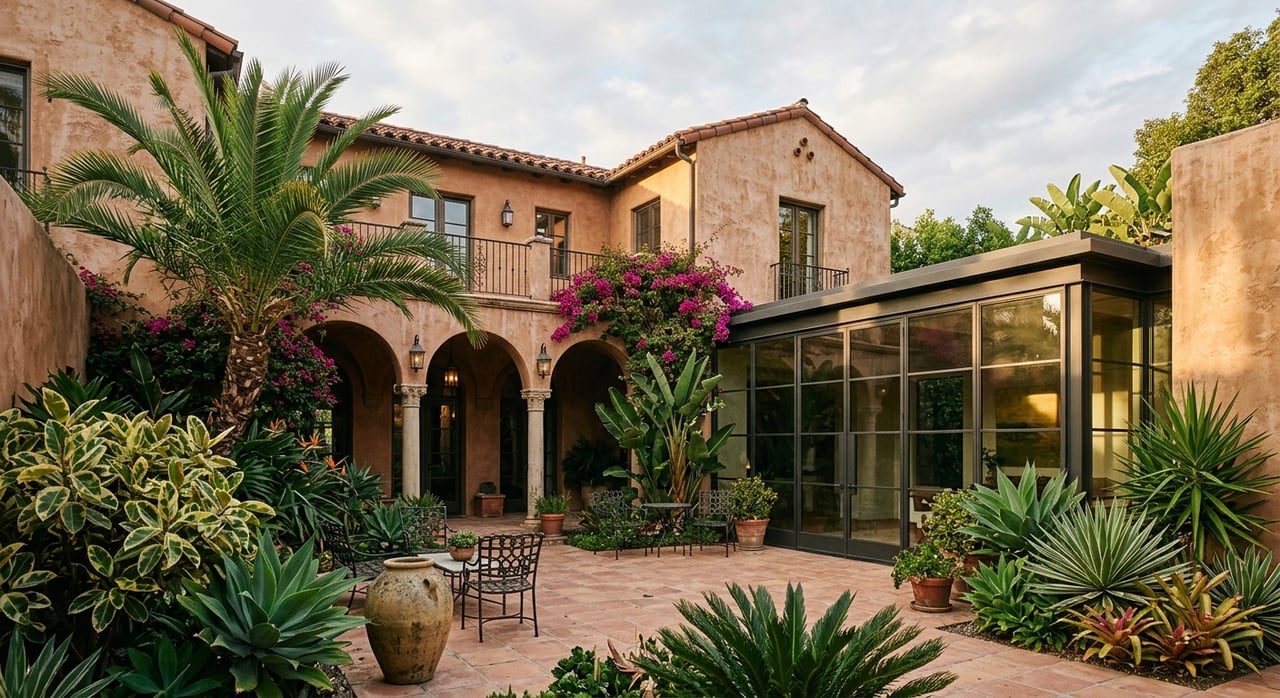
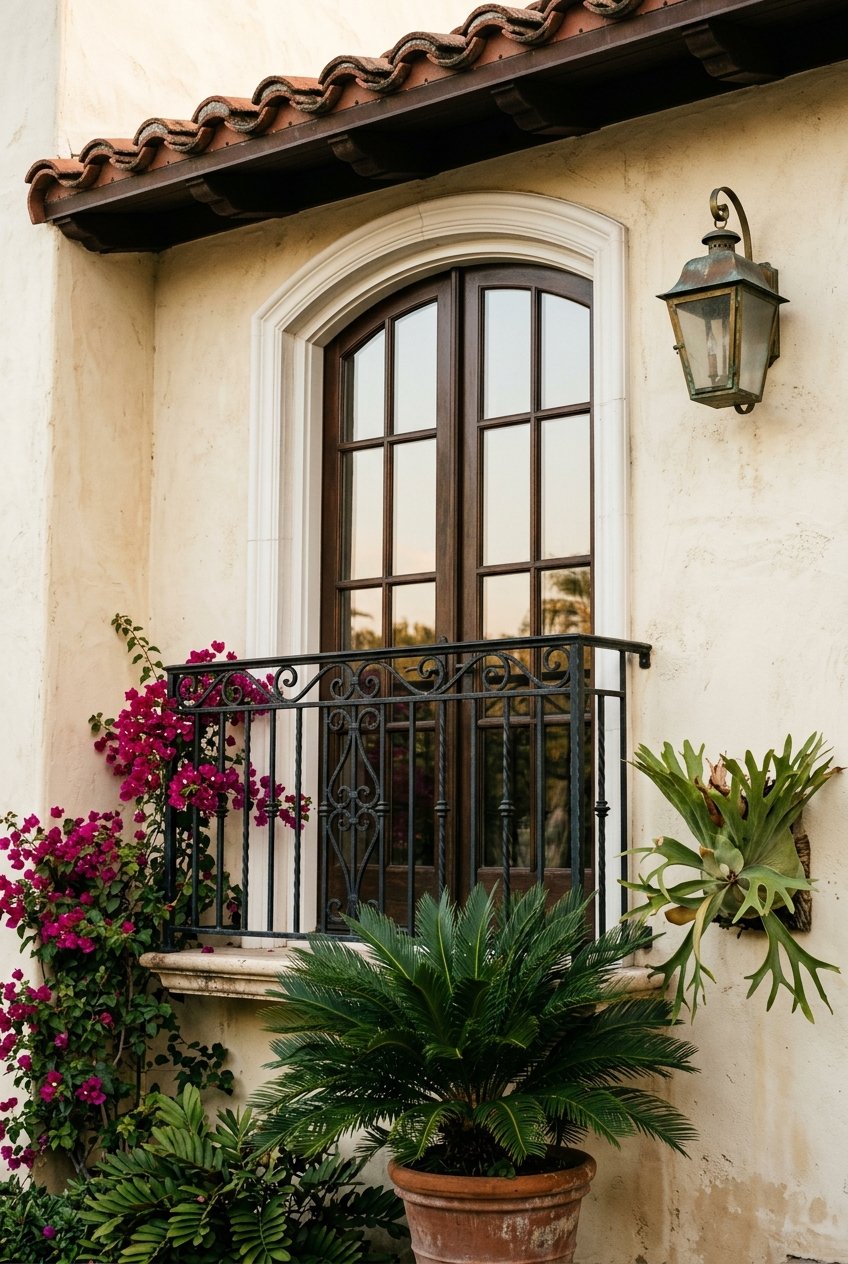
That guidance lines up closely with what buyers notice in person. Features such as intact rooflines, original windows or appropriate replacements, coral rock or stucco walls, arches, loggias, barrel tile, millwork, fireplaces, and original floors can all help a home stand out.
But visible beauty is only part of the value equation. Buyers also pay close attention to practical systems they may need to address right away.
Character Features That Support Value
Historic buyers often place more weight on authenticity than on generic updates. Depending on the home, value-supporting features may include:
- Original tile or wood floors
- Dade pine flooring
- Working fireplaces
- Arches and loggias
- Coral rock details
- Barrel tile roofing
- Original millwork
- Appropriate historic-style windows or doors
These features help a home feel genuine rather than imitated. In many cases, they are what separate a memorable property from one that feels renovated but less rooted in its era.
Modern Systems That Matter Just as Much
Even design-minded buyers want confidence in the basics. The systems and records that often influence price include:
- Roof age and condition
- Plumbing updates
- Electrical updates
- HVAC condition
- Impact windows and doors
- Drainage performance
- Pool equipment
- Permit history for completed work
In Coral Gables, approved improvements may also qualify for a 10-year ad valorem tax exemption on the value added by those improvements. That is one reason records, approvals, and renovation history can matter so much when you bring a historic home to market.
Why the Right Comps Matter
One of the biggest pricing mistakes with a historic home is comparing it to the wrong nearby sale. A beautifully preserved Old Spanish residence should not automatically be priced against a generic renovated home just because it is close by.
In Coral Gables, the range can be wide. Recent sales in early 2026 show how much style, scale, lot, condition, and renovation quality affect price.
- 1341 Sorolla Ave sold for $2.65 million and was described as a restored Old Spanish home with impact windows and doors, reclaimed barn wood floors, and a guest house.
- 1202 Granada Blvd sold for $2.75 million and featured a full system refresh, including roof, windows, electrical, plumbing, and AC.
- 1302 Alhambra Cir sold for $2.55 million and highlighted original tile floors, Dade pine flooring, a working fireplace, and a separate in-law suite.
- 1311 Alhambra Cir sold for $5.5 million after renovation and expansion, with luxury amenities including a private elevator and rooftop terraces.
- 1253 Messina Ave sold for $1.07 million and was described as more update-ready.
These sales make one thing clear: historic homes are not interchangeable. The best pricing approach starts with the closest architectural and condition match, then adjusts for originality, lot, systems, scale, and preservation quality.
Avoid Assuming a Blanket Historic Premium
It is easy to assume that historic status always adds value in a predictable way. In reality, the research is more mixed. Some studies have found that historic designation is often associated with higher values, while other findings suggest the effect can vary depending on the local context.
For Coral Gables sellers, the safest approach is practical rather than theoretical. Price from recent comparable sales, then adjust carefully for designation status, level of preservation, update quality, and overall condition. That method is usually more reliable than assuming your home should command a premium simply because it is old or designated.
How to Position the Home for the Right Buyer
Pricing gets buyers to look. Positioning gives them a reason to care. In Coral Gables, the strongest historic-home marketing usually combines provenance, livability, and stewardship.
Lead With Provenance
Provenance explains why the home matters. Buyers of architecturally distinctive properties often want to understand the year built, style, any known architect or subdivision story, and how the home fits into the larger history of Coral Gables.
This does not need to feel academic. It simply needs to make the home feel grounded and specific. A buyer is more likely to connect with a property that has a clear identity than one marketed with only generic luxury language.
Show Modern Livability
Historic appeal opens the door, but daily function helps close the gap between admiration and action. Buyers want to know whether the home supports modern life through updated systems, layout flow, impact protection, outdoor living, storage, guest space, or carefully integrated improvements.
The key is balance. A home should read as historic first, while still showing that it has been thoughtfully adapted for current living.
Demonstrate Stewardship
Stewardship reassures buyers that the house has been maintained with respect for its original fabric. That can include careful repairs, compatible additions, preservation of defining features, and clear records of major work.
This point matters because buyers in this segment often notice when a home has been over-altered or stripped of character. In contrast, homes that retain their architectural language while addressing practical needs tend to create stronger emotional response.
Smart Pre-Listing Work for Historic Homes
Not every improvement adds equal value before a sale. In many Coral Gables historic homes, the most effective pre-listing work protects visible character while solving issues buyers see as immediate expenses.
Often, the best priorities include:
- Roof repairs or replacement if needed
- Moisture or drainage corrections
- HVAC service or upgrades
- Window and door repairs or approved replacements
- Exterior paint and finish touch-ups
- Landscape cleanup
- Repair of original finishes rather than unnecessary replacement
This kind of preparation supports pricing because it reduces buyer uncertainty. It also helps the property present as preserved and cared for, rather than neglected or partially updated.
Know Your Buyer Pool
Coral Gables attracts both local and relocating buyers. Redfin migration data suggests that most shoppers search within the metro area, while inbound interest also comes from places such as New York, Washington, and San Francisco.
That mixed audience matters when you position a listing. Long-time local buyers may already understand the appeal of Coral Gables architecture. Relocating buyers may be comparing your home to newer luxury options and need help seeing why craftsmanship, setting, and identity can justify the price.
This is why the marketing message should speak to buyers who value architecture and neighborhood character, not just buyers shopping by cost per square foot. Historic homes tend to perform best when the presentation attracts people who understand what makes them special.
Questions Sellers Should Answer Before Listing
The smoother your pricing and marketing process, the easier it is for buyers to understand the opportunity. Before listing, it helps to have clear answers to a few key questions.
- Is the property individually designated, contributing to a district, or neither?
- Which exterior changes already have approval or permit history?
- Which original features remain intact?
- Which major updates are recent, and which systems are aging?
- Which comparable sales truly match the home’s style, era, lot type, and renovation level?
- Does the home present as preserved, renovated, or largely rebuilt?
When you can answer these questions clearly, you reduce confusion and support stronger buyer confidence.
The Bottom Line on Pricing and Positioning
A historic Coral Gables home deserves more than a standard pricing formula and a few polished photos. The strongest results usually come from matching the home to the right comparable sales, identifying the details that truly drive value, and telling a story that connects architecture, condition, and care.
That is especially true in a market where buyers are willing to pay for quality but still expect precision. When your pricing reflects the home’s real place in the market, and your positioning highlights both character and livability, you give buyers a clearer reason to act.
If you are thinking about selling a historic or architecturally distinctive home in Coral Gables, Laura Mullaney & Jane Gomez-Mena bring preservation-aware guidance, thoughtful preparation, and market insight tailored to homes that cannot be treated like standard inventory.
FAQs
How should you price a historic home in Coral Gables?
- Start with recent comparable sales that share similar style, era, condition, lot type, and renovation level, then adjust for originality, systems, and preservation quality.
What adds value to a historic Coral Gables home?
- Buyers often respond to architectural integrity, preserved original details, updated major systems, compatible renovations, and clear documentation of approved work.
Does historic designation automatically raise a Coral Gables home’s value?
- Not always. Research is mixed, so the most reliable approach is to price from local comparable sales and adjust for designation, condition, and authenticity.
What should sellers disclose about updates to a historic Coral Gables property?
- It helps to document major renovations, permit history, approval history for exterior changes, and which original features were preserved, repaired, or replaced.
What kind of buyer is most likely to purchase a historic Coral Gables home?
- The buyer pool often includes local shoppers, relocating professionals, and design-minded buyers who value architecture, character, and a home’s sense of identity.