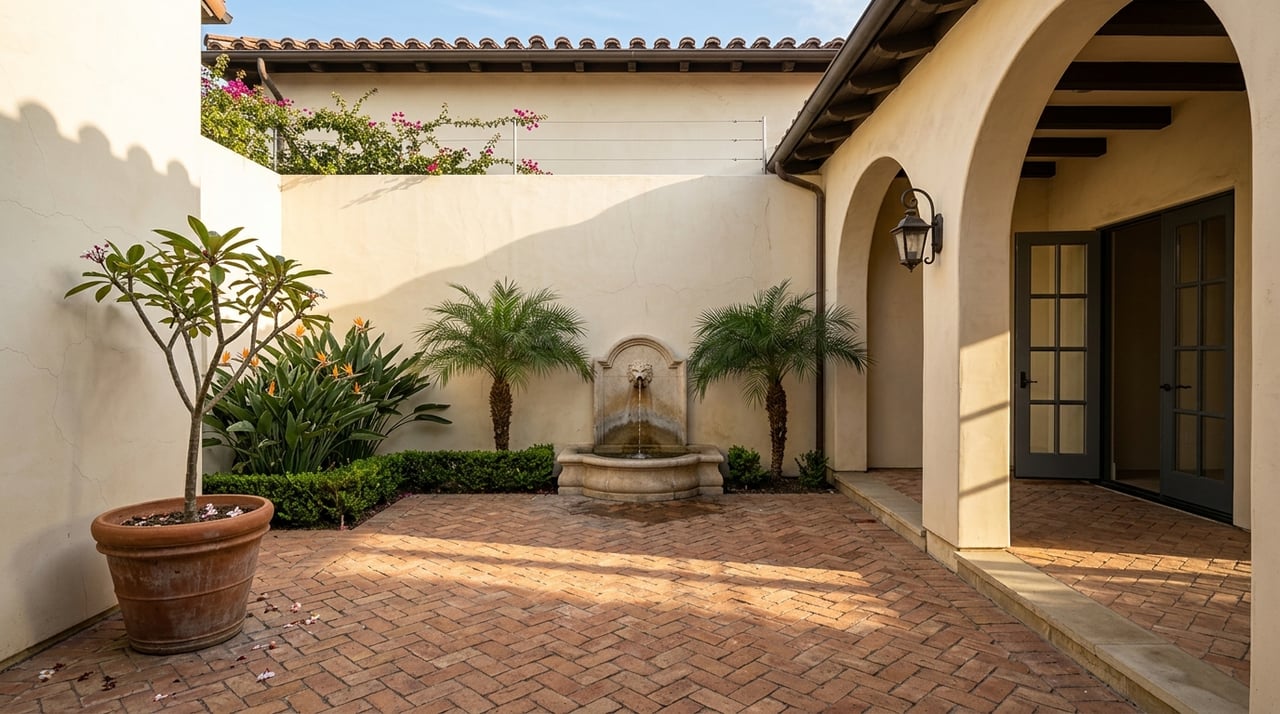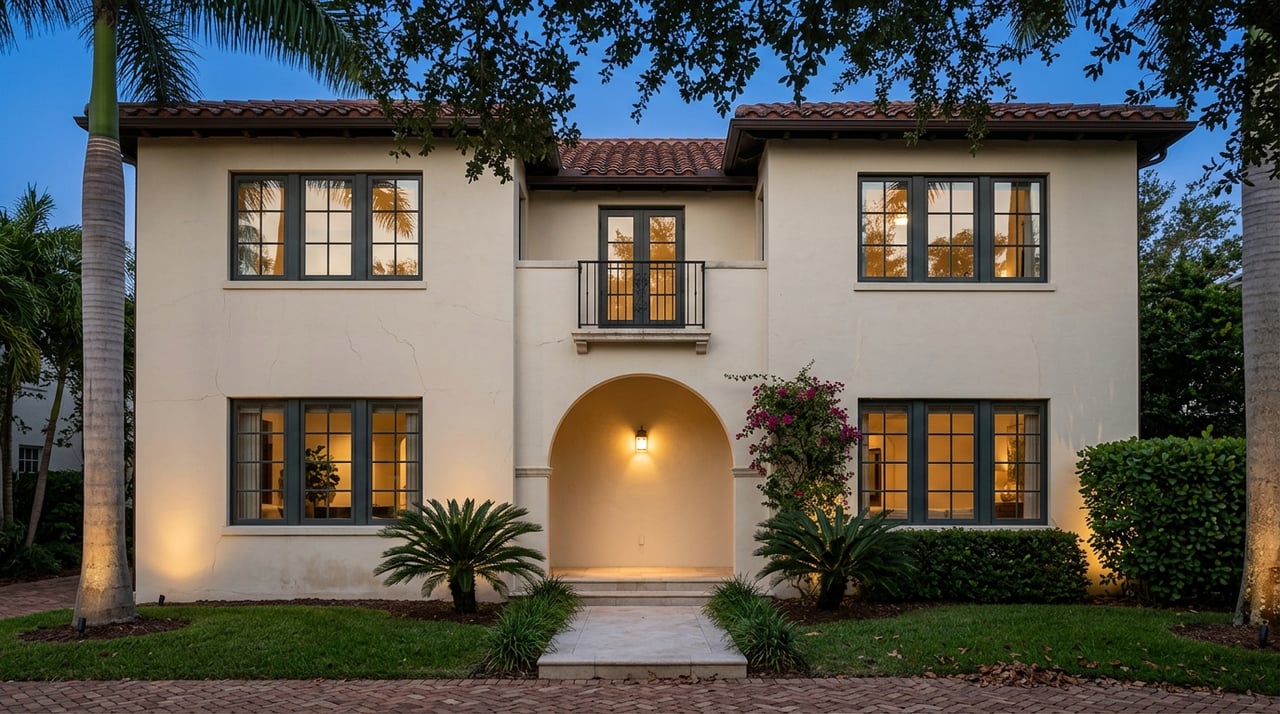
Looking for a true character home in Coconut Grove can feel a bit like chasing a rare find. You may see plenty of listings in 33133, yet far fewer homes offer the older architecture, lot setting, and sense of place that drew you to the Grove in the first place. If you want to compete wisely in a market like this, it helps to understand why inventory feels tight and how to prepare before the right home appears. Let’s dive in.
Why character homes feel scarce
Coconut Grove has a distinct identity that makes it especially appealing to buyers who want something more than standard newer construction. The City of Miami describes it as Miami’s original neighborhood, founded in 1873, with historic architectural types that include Bahamian and Conch houses in the Charles Avenue area, bungalows, Mediterranean Revival, and other South Florida vernacular styles.
That history matters because “character” is not just about curb appeal. In Coconut Grove, it often means a smaller group of homes with older design details, mature settings, and a level of architectural individuality that is hard to replicate. When you narrow your search to homes with that kind of authenticity, the pool gets smaller very quickly.
How zoning shapes the search
Part of the Grove’s uniqueness comes from the City’s neighborhood conservation overlays. The City says NCD-2 and NCD-3 are located within Coconut Grove and were created to help preserve the area’s historic, physical, and social character while also addressing issues such as tree canopy, lot coverage, housing affordability, and property rights.
NCD-2 is closer to Douglas Road Metrorail and bounded by SW 32 Avenue and Charles Avenue, while much of the rest of Coconut Grove falls within NCD-3. For you as a buyer, that can affect what exists today and what may be possible later. A home’s appeal may include not only its architecture, but also the context around it.
What the market numbers show
At the Miami-Dade County level, the single-family market remained relatively tight in April 2026. Active inventory fell to 4,723 listings, down 14.55% year over year, and months’ supply was 5.4, which MIAMI REALTORS described as a seller’s market.
The same county report said the median number of days between listing and contract for Miami single-family homes was 45. It also noted that cash sales made up 26.1% of single-family transactions. Those numbers point to a market where prepared buyers often have an edge.
In ZIP code 33133, which includes Coconut Grove, Q1 2026 single-family data showed 59 closed sales, a median sale price of $2,802,500, an average sale price of $3,588,456, 123 active listings, and 7.8 months of supply. The report also showed 78 new pending sales and a median time to contract of 62 days.
Those figures are useful, but they are best treated as directional for a character-home search. Coconut Grove includes a mix of older homes, renovated residences, and newer construction across several unofficial areas. That means ZIP-level data does not isolate the smaller set of truly distinctive homes that many buyers are targeting.
Why speed matters, but discipline matters too
In a low-inventory market, timing can be everything. If you wait until the right home hits the market to get organized, you may already be behind. Buyers often miss opportunities simply because they cannot move quickly enough.
At the same time, moving fast should never mean moving blindly. A character home can be deeply rewarding to own, but it may also come with preservation considerations, flood questions, and maintenance needs that deserve careful review. The goal is to act quickly, but not recklessly.
Start with financing readiness
Before you focus on paint colors, porches, or mature oaks, get clear on your financing. The CFPB advises buyers to compare at least three loan offers and ask at least three lenders for preapproval. Preapproval can help you understand likely borrowing power, interest structure, and key fees before you begin making serious offers.
This step matters even more when the home you want is unusual. Distinctive homes do not always fit neat comparison boxes, and sellers often respond well to buyers who look ready from the start. Financing clarity can help you act with more confidence when a home aligns with your goals.
Define your needs versus wants
One of the biggest mistakes buyers make in a character-home market is being too broad at first and too rigid later. You will likely need a clear sense of what is essential and what is flexible. That helps you make better decisions under pressure.
For example, your must-haves may include:
- Single-family home
- Original architectural character
- Certain lot size or privacy level
- Specific number of bedrooms
- Renovated kitchen or bath level
- Flood-risk comfort threshold
- Renovation tolerance
Your nice-to-haves may include:
- Pool
- Guest house
- Covered loggia
- Larger garage
- Walkability to certain Grove destinations
- Specific style details such as pecky cypress, original terrazzo, or barrel tile roof
When inventory is limited, this kind of ranking keeps you grounded. It also helps you avoid losing a strong house because it lacked one nonessential feature.
Watch the market street by street
Coconut Grove is not a one-note neighborhood. Inventory can vary a lot from one pocket to another, and the feel of each area can shift based on architecture, lot pattern, tree canopy, and overlay context. That is one reason broad market stats do not always tell the whole story.
In a tight search, it helps to combine listing alerts with regular neighborhood observation. Buyers are often well served by monitoring likely streets, noticing homes that may be preparing for market, and staying in close contact with an agent who knows the Grove block by block. That does not guarantee off-market opportunities, but it does create a more informed and connected search.
Be ready to tour quickly
The right house may not look perfect on paper. A listing could have limited photos, understated marketing, or a description that misses what makes the property special. For that reason, serious buyers benefit from seeing strong possibilities as soon as they appear.
Quick tours can help you separate homes with real substance from homes that simply photograph well. In the Grove, details like site placement, mature landscaping, room proportions, and original materials often carry more weight in person than they do online.
Due diligence matters more with older homes
Once you find a promising property, your next move is not just writing an offer. It is making sure you understand what you are buying. Older and architecturally distinctive homes often require a more layered review than standard homes.
A smart due-diligence checklist includes:
- Financing readiness
- Historic or preservation status
- NCD overlay status
- Flood zone review
- Storm-surge zone review
- Permit history
- Expected maintenance and repair budget
This is where preservation-aware guidance can make a meaningful difference. A charming house may still need roof work, system upgrades, window review, or a realistic plan for future upkeep.
Check preservation and overlay status early
Not every Coconut Grove home is historic, and not every older home is subject to the same level of review. The neighborhood includes historically significant cottages and bungalows, but also newer or heavily renovated homes. The preservation overlay affects only the properties it covers.
Before assuming you can expand, alter, or fully rework a house, verify its status. The City of Miami says buyers should speak with preservation staff before undertaking a project on a historic property, and that alterations on designated properties can require certificates or review. For properties involving Coconut Grove West or Charles Avenue, the City notes there may be a specific preservation contact involved.
Use city tools before you commit
The City’s Maps & Data portal allows buyers to look up a property’s district, flood zone, and historic or environmental preservation information by address. That makes it a useful first stop before you get too far down the road with a property.
The City’s Hurricane Flood Information page also says the Building Department can confirm whether a property is in a floodplain, keeps elevation certificates for certain properties, and can provide written flood information. It also notes that permits are required before building, altering, re-grading, or adding fill.
Understand flood zones and storm surge
These are related risks, but they are not the same thing. Flood zone status is one screen. Storm-surge planning is another.
Miami-Dade says storm-surge planning zones deal strictly with storm surge, not flood zones, and are based on SLOSH modeling. For buyers in coastal Miami, both should be part of your pre-offer review, especially if you are comparing older homes on varied elevations and lot conditions.
Budget for maintenance realistically
Character homes can offer warmth, craftsmanship, and a sense of permanence that many buyers value deeply. They can also come with upkeep needs that differ from a newer home. Systems, roofs, windows, and finishes may not match your preferred level of modernization.
NAR notes that lenders and insurers generally suggest setting aside 1% to 4% of a home’s value annually for maintenance. In Coconut Grove, that is an important planning tool, particularly if you are choosing between a fully updated house and one that still needs work over time.
A practical plan for buying well
If you are serious about finding a character home in Coconut Grove, a calm and prepared approach usually works better than a reactive one. You want to know your budget, know your priorities, and know how to evaluate the homes that do appear.
A practical plan looks like this:
- Get preapproved with multiple lenders.
- Set clear must-haves and nice-to-haves.
- Track listings and target streets consistently.
- Tour strong opportunities quickly.
- Review preservation, zoning, flood, and permit information early.
- Keep a realistic repair and maintenance budget.
- Move decisively when the right fit appears.
Coconut Grove’s most appealing homes rarely feel interchangeable. That is exactly why buyers compete for them. With the right preparation, you can stay disciplined, move with confidence, and recognize the difference between a house that is merely attractive and one that truly fits your goals.
If you are looking for thoughtful guidance in a market where architecture, history, and due diligence all matter, Laura Mullaney & Jane Gomez-Mena bring a preservation-aware perspective to distinctive home searches in Coconut Grove and nearby neighborhoods.
FAQs
What makes a Coconut Grove home a character home?
- In Coconut Grove, character homes often include older architectural styles such as Bahamian or Conch houses, bungalows, Mediterranean Revival, and other South Florida vernacular designs, along with original details, mature settings, and a strong sense of place.
Are all homes in Coconut Grove historic?
- No. Coconut Grove includes a mix of historically significant homes, renovated older residences, and newer construction, and preservation rules apply only to the properties or areas they cover.
How competitive is the Coconut Grove home market?
- The 33133 single-family market showed 123 active listings, 59 closed sales, 78 new pending sales, and a median time to contract of 62 days in Q1 2026, which points to an active market, especially for distinctive homes.
What should you do before making an offer on an older Coconut Grove home?
- You should review financing readiness, historic or preservation status, NCD overlay status, flood zone, storm-surge zone, permit history, and your expected maintenance budget before moving forward.
Why should Coconut Grove buyers check both flood zones and storm-surge zones?
- Miami-Dade says storm-surge planning zones are separate from flood zones, so reviewing both gives you a more complete picture of potential risk for a coastal property.
How can you improve your chances in a low-inventory Coconut Grove market?
- You can improve your chances by getting preapproved early, staying in close contact with your agent, setting alerts, watching target streets closely, touring quickly, and acting decisively once the right home is fully vetted.