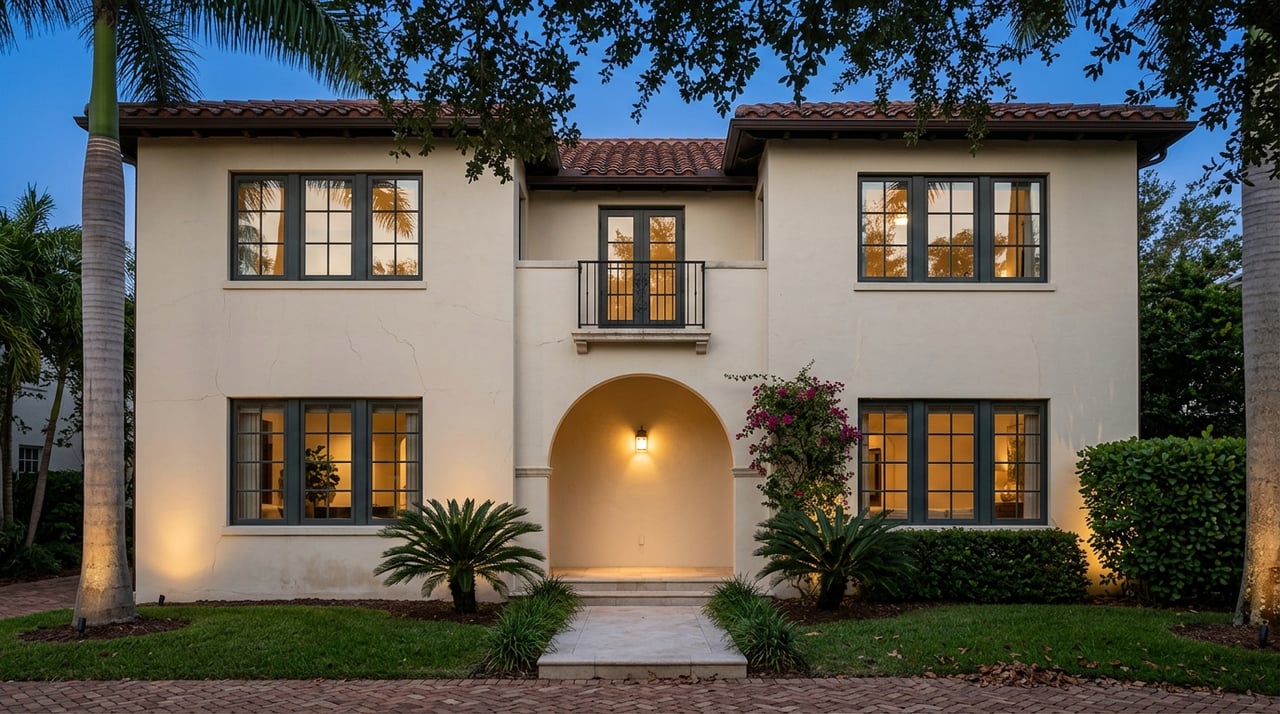
If a home in Coral Gables has a beautiful backyard but nowhere comfortable to sit, shade, dine, or linger, it may be missing one of the features that matters most here. In a city shaped by gardens, porches, and architectural transitions between indoors and out, outdoor living is not just a bonus. It is part of how many homes are meant to be experienced. If you are buying, selling, or improving a home in Coral Gables, understanding what makes an outdoor space feel authentic and usable can help you make better decisions. Let’s take a closer look.
Why Outdoor Living Matters in Coral Gables
Coral Gables has long been defined by open space, tree canopy, and garden-oriented planning. The city was conceived with a Garden City and City Beautiful identity, and that design legacy still shows up in the way homes relate to their lots, streets, and gardens.
That history also works hand in hand with South Florida’s climate. The region is better understood as having a wet season and a dry season, with the wet season typically running from about May 15 to October 15 and bringing roughly 60 to 70 percent of annual rainfall. Warm, humid summers and milder, drier winters make shaded and covered outdoor areas especially valuable.
In practical terms, that means a porch, courtyard, or screened space can function like a real room for much of the year. In Coral Gables, outdoor living often feels less like an extra and more like part of the home’s everyday floor plan.
Coral Gables Outdoor Rooms
Porches That Work Like Rooms
The City of Coral Gables notes that front porches can create quality outdoor space, help decrease air-conditioning use, and serve as comfortable outdoor living rooms. Its design guidance also recommends open-air porches that are at least eight feet deep so they can actually hold furniture and function well.
That detail matters because not every porch is equally useful. A shallow front entry may look appealing, but a deeper porch can support conversation, reading, or casual dining. For many buyers, that difference is easy to feel the moment they arrive.
Courtyards and Patios
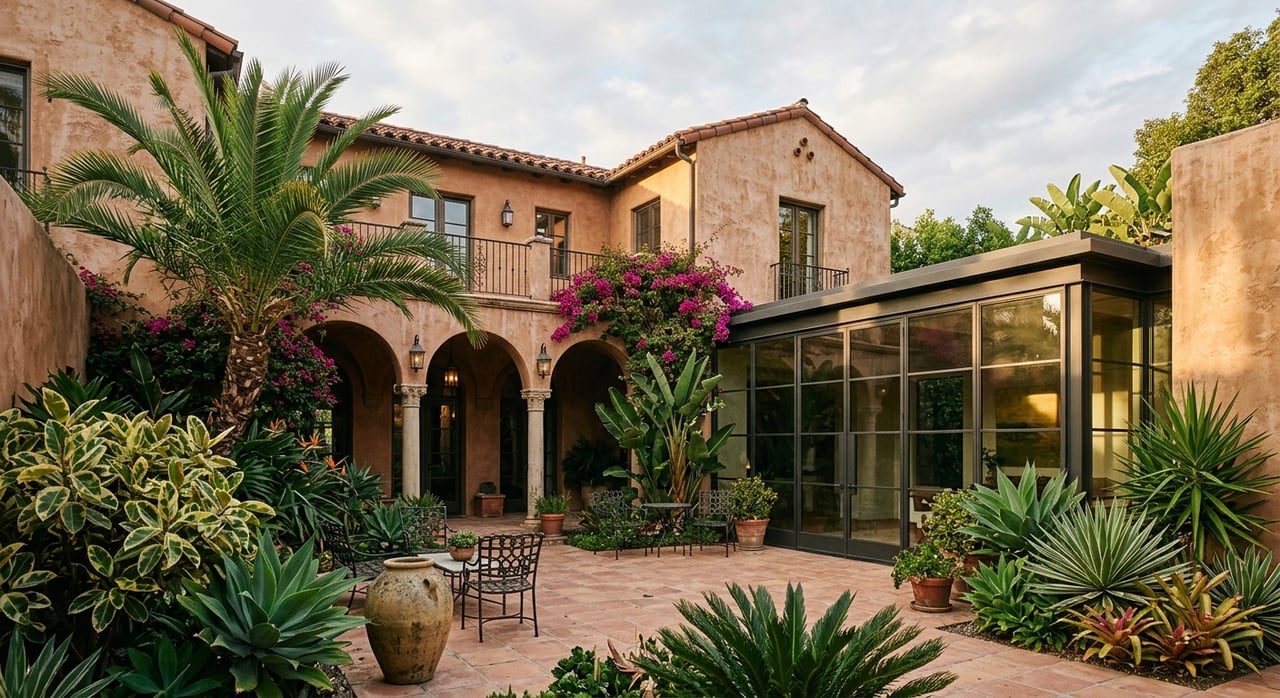
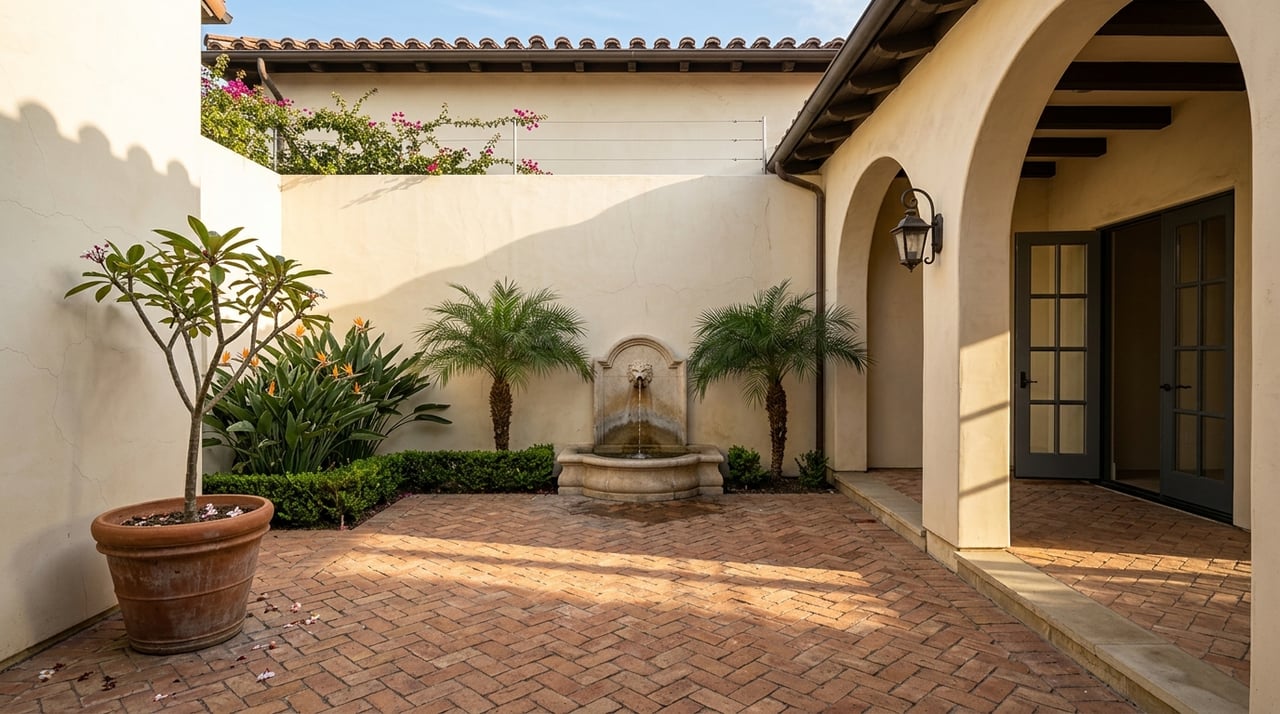
Courtyards and patios are a natural fit in Coral Gables because they create protected outdoor rooms rather than leaving everything exposed to sun and rain. City design best practices specifically reference courtyard or patio walls and acknowledge screened enclosures in residential areas.
For homeowners, this often means more comfort and more privacy. For buyers, it can create that hard-to-define sense that the home opens outward in a graceful, livable way.
Loggias and Covered Transitions
Many of Coral Gables’ historic buildings use loggias, arcades, porticos, and arched verandas to soften the transition from inside to outside. You can see this vocabulary in local landmarks, where courtyards, shady porticos, and vine-covered loggias are part of the architecture rather than afterthoughts.
In residential properties, the modern version may be a covered terrace, a screened sitting room, or a lanai-like outdoor dining area. The key idea stays the same: shade, shelter, and a visual connection to the house.
Rear Gardens and Cabanas
Coral Gables design guidance recommends placing accessory buildings in the backyard, and on some corner lots, thoughtful placement can create even more private rear-yard space. That helps explain why guest houses, cabanas, and pool pavilions often feel so well integrated in older properties.
When these features are thoughtfully sited, they can support the overall rhythm of the home and garden. Instead of competing with the main house, they extend its usefulness and character.
What Feels Authentic Here
Mediterranean Revival Details
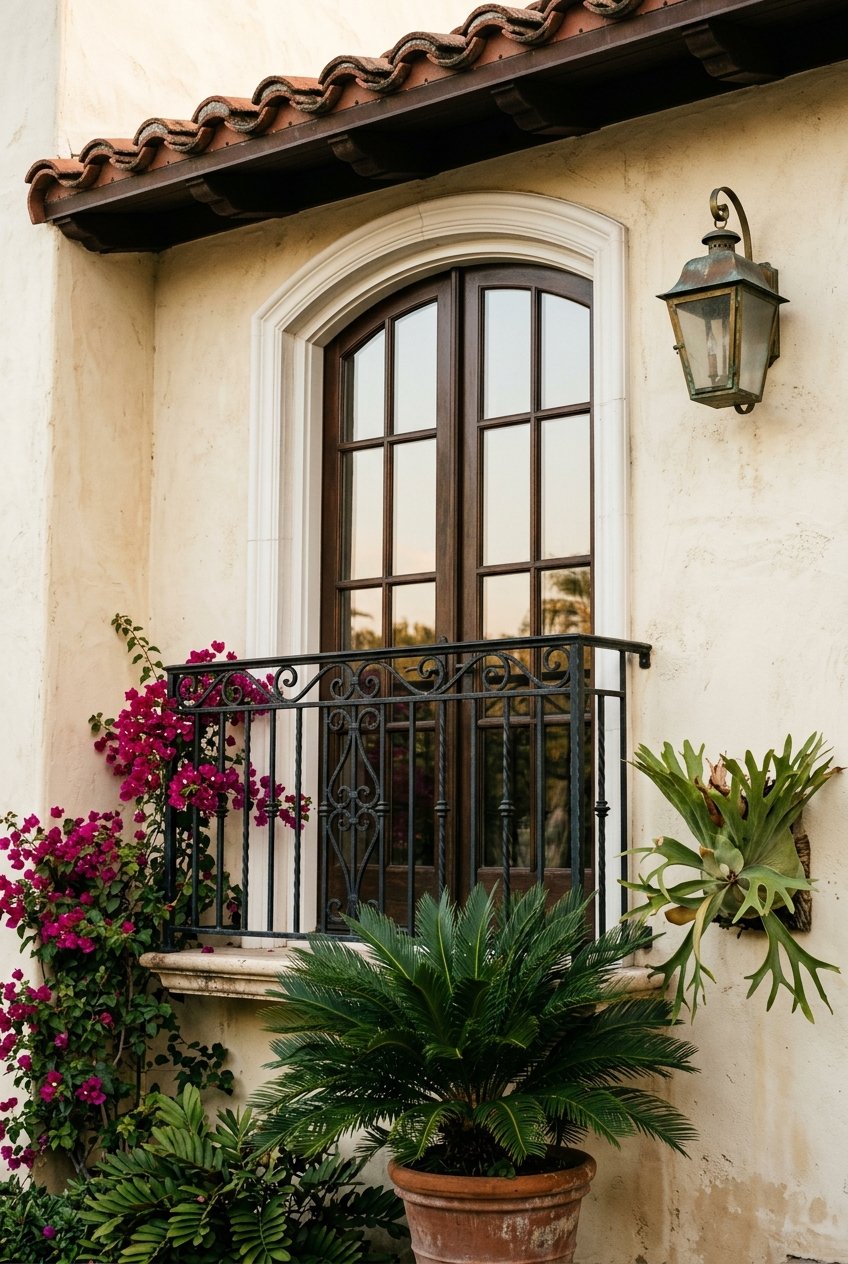
Some outdoor spaces feel instantly right in Coral Gables because they use the architectural language that has shaped the city for generations. Preserved local design vocabulary includes oolitic limestone, coral rock, wrought iron, barrel tile roofs, trellises, arches, columns, and decorative surrounds.
These materials and forms help outdoor rooms feel connected to the home. A covered terrace framed by arches or a garden path edged by stone tends to read as part of the architecture, not a later add-on.
Shade as a Design Feature
In Coral Gables, shade is not just decorative. It is part of what makes an outdoor space usable. City planning documents emphasize lush open space and tree canopy, which reflects both the city’s visual identity and the practical value of cooler, more protected areas.
That is why the most successful outdoor spaces here usually avoid large unshaded hardscape. A better approach is often a layered composition of covered seating, mature planting, and smaller open-air areas that still feel comfortable.
Planting With Restraint
A lush garden does not have to be high maintenance or overly formal. UF/IFAS Florida-Friendly Landscaping guidance encourages putting the right plant in the right place, with an emphasis on drought-tolerant and lower-maintenance choices.
For South Florida, commonly cited examples include bougainvillea, bromeliads, coontie, firebush, tropical hibiscus, gingers, ferns, and cast-iron plant. In older Coral Gables homes, these kinds of plantings often work well in courtyards, beneath tree canopy, and along shaded walls or deep eaves.
UF/IFAS also notes that shaded or difficult areas can become garden rooms with seating, hardscape, mulch, water features, garden art, or a birdbath. That idea suits Coral Gables especially well, where many homes already have enclosed corners and mature landscapes that invite quiet outdoor use.
What Buyers Notice First
Design-minded buyers are often drawn to outdoor spaces that feel like true extensions of the house. In Coral Gables, the strongest version of that is usually a sequence such as front porch to interior hall to courtyard, or living room to loggia to garden.
Buyers also tend to respond to privacy, shade, and a clear transition between public and private space. Those preferences are not random. They align closely with the city’s original planning and residential design language.
If you are shopping for a historic or architecturally distinctive home, it helps to look beyond the pool or the lot size alone. Ask whether the outdoor spaces feel proportionate to the architecture and useful in daily life.
What Sellers Should Highlight
If you are preparing a Coral Gables home for sale, outdoor living deserves careful presentation. Buyers in this market often respond to homes with story, proportion, and visual continuity, especially when those qualities feel tied to the architecture.
That means your porch, courtyard, covered terrace, or garden room should look intentional and ready to use. Simple furniture groupings, clear walking paths, trimmed planting, and clean transitions from inside to out can help buyers understand how the space lives.
For historic and vintage homes in particular, the goal is usually not to make the outdoor area feel trendy. It is to help buyers see how the space belongs to the house and supports the lifestyle the architecture suggests.
Historic Home Considerations
In Coral Gables, locally designated historic properties are reviewed before building permits are issued for exterior alterations. Minor work may be handled by staff, while substantial changes, additions, or major exterior remodels may go before the Historic Preservation Board and public hearing.
The city also states that local designation generally applies to properties that are at least 50 years old and have historical, cultural, aesthetic, or architectural significance. Designation may also come with tax incentives and possible variances intended to preserve architectural continuity.
If you are thinking about adding a pergola, screened room, patio addition, or cabana, it is wise to understand early whether preservation review may apply. In many cases, the most successful projects are those designed as part of the whole house rather than as separate attachments.
How to Evaluate Outdoor Living Potential
If you are comparing homes in Coral Gables, these are a few useful things to notice:
- Is there meaningful shade from trees, rooflines, or covered structures?
- Does the outdoor area feel connected to the architecture?
- Can the porch or terrace actually fit seating or dining furniture?
- Is there a comfortable transition between public-facing and private spaces?
- Do planting and hardscape feel balanced rather than overly exposed?
- If the home is historic, could future exterior changes require review?
These questions can help you see past surface appeal. They also help you identify whether an outdoor space will support how you actually want to live.
Outdoor living in Coral Gables is at its best when it feels shaded, graceful, and true to the home. Whether you are buying a historic property, preparing a distinctive residence for sale, or simply thinking about long-term improvements, understanding the local design language can help you protect both livability and value. For thoughtful guidance on architecturally distinctive homes in Coral Gables, connect with Laura Mullaney & Jane Gomez-Mena.
FAQs
What outdoor feature feels most authentic in Coral Gables homes?
- A shaded porch, loggia, courtyard, or garden room that is well proportioned to the home and tied to its architecture usually feels most authentic in Coral Gables.
What makes outdoor living practical in Coral Gables?
- Coral Gables benefits from a climate where covered, shaded, and screened spaces can be used for much of the year, especially since the wet season typically runs from about May 15 to October 15.
What should buyers look for in Coral Gables outdoor spaces?
- Look for privacy, shade, functional seating space, and a layout where the outdoor areas feel like a natural extension of the house.
What should sellers emphasize about outdoor living in Coral Gables?
- Sellers should highlight usable porches, courtyards, covered terraces, and garden rooms that feel intentional, comfortable, and architecturally consistent with the home.
What should historic-home owners know before adding outdoor space in Coral Gables?
- Owners should check whether the property is locally designated historic, because exterior changes may require preservation review before permits are issued.