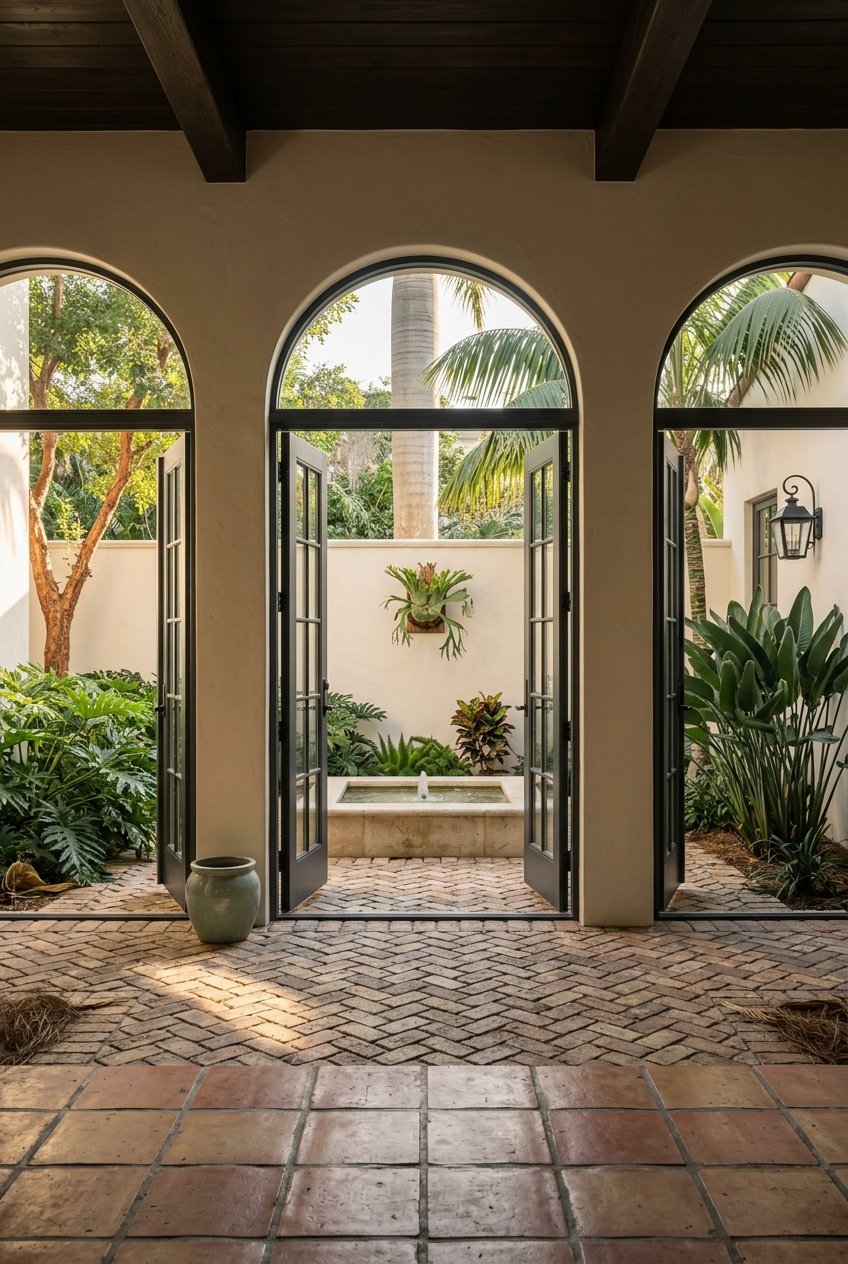
What makes a home in Coconut Grove feel different the moment you arrive? Often, it is not just the architecture. It is the canopy overhead, the porch catching the breeze, the garden softening the edge between indoors and out, and the sense that history still shapes daily life. If you are drawn to homes with character and setting, this guide will show you what life inside Coconut Grove’s lush historic homes really looks like and why the neighborhood remains one of Miami’s most distinctive places to live. Let’s dive in.
Why Coconut Grove Feels So Distinct
Coconut Grove has deep roots. City planning documents describe it as one of Miami’s first neighborhoods, valued for its lush landscaping, natural green areas, public open space, waterfront setting, and historic resources. The area’s conservation framework is designed to help preserve its tree canopy, green space, and architectural variety over time.
That long view matters when you walk the neighborhood today. Florida State Parks describes Coconut Grove as Miami’s oldest continuously occupied neighborhood, which helps explain why many homes here feel connected to a larger cultural landscape, not isolated from it. In the Grove, the house, the lot, the streetscape, and the bay often work together as one living environment.
Historic Homes Reflect Climate and Place
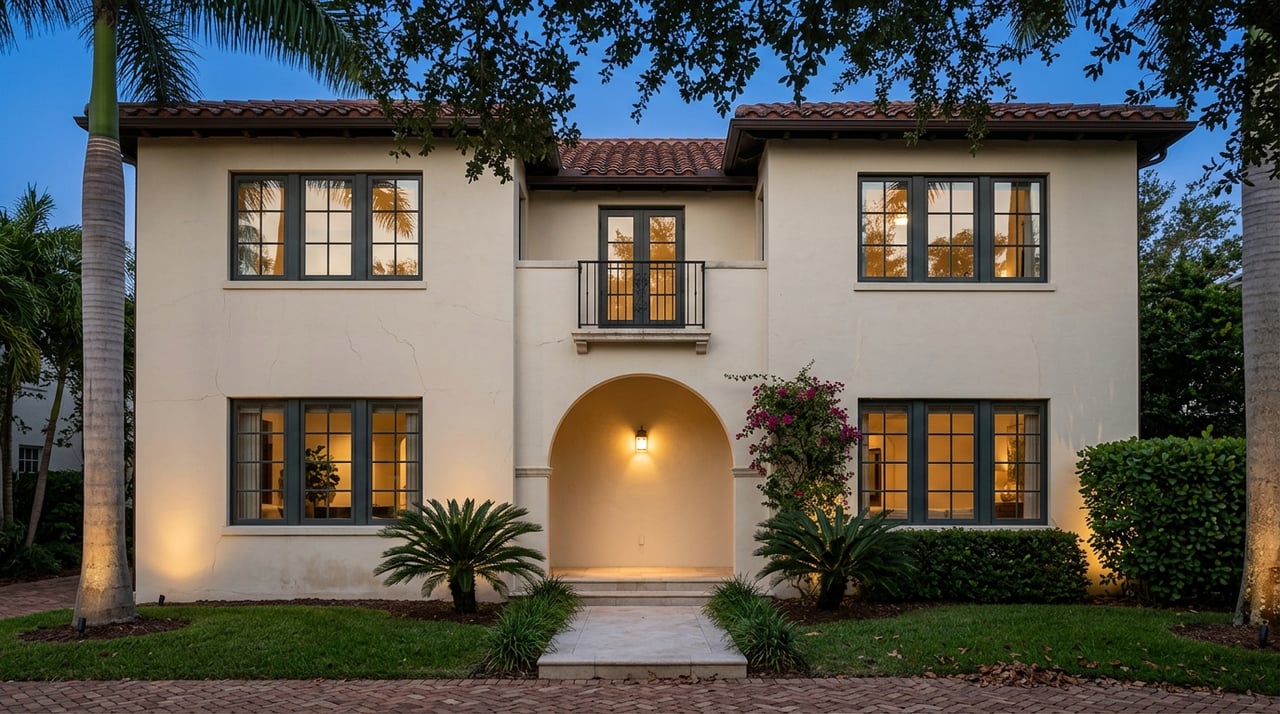
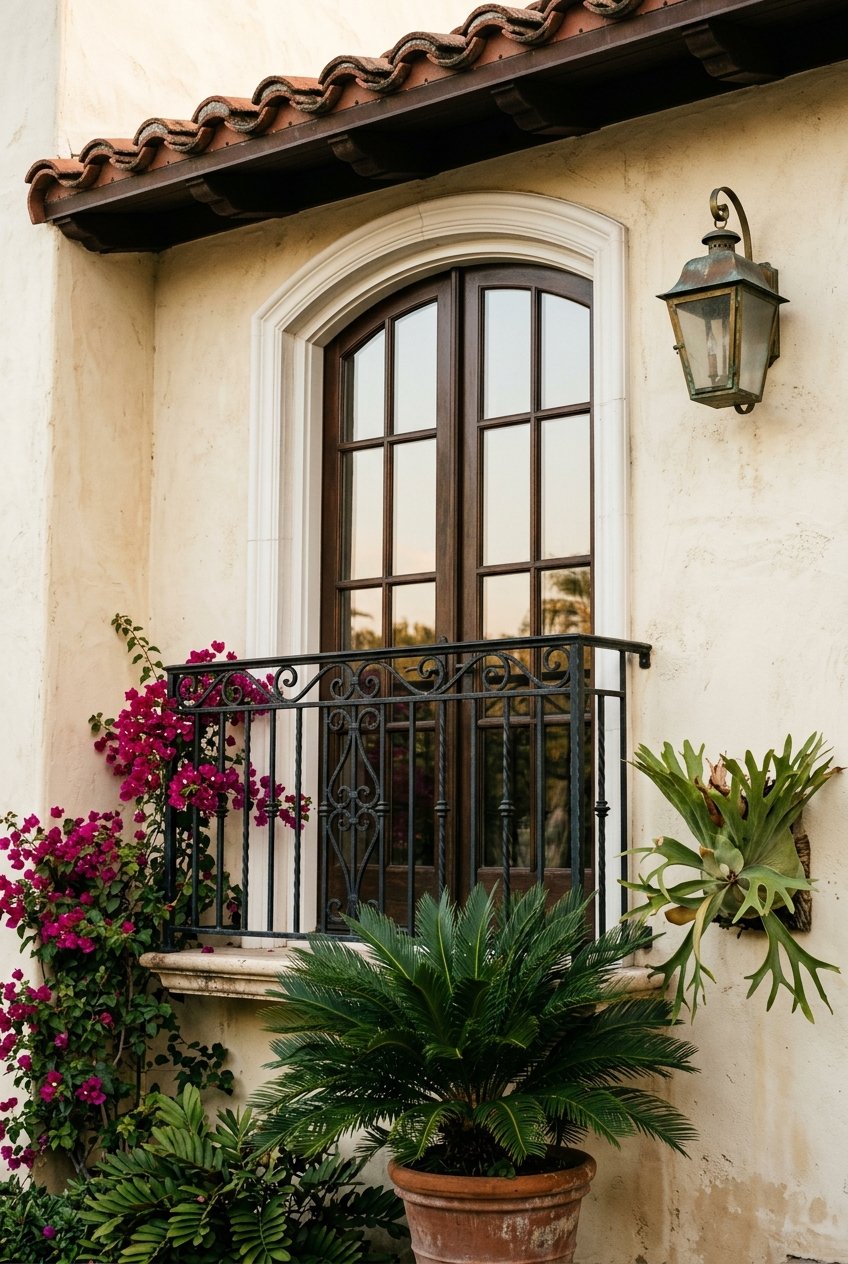
One of the most appealing things about Coconut Grove’s historic homes is that their character often comes from practical design. Local design guidelines point to Caribbean vernacular influences and traditional building forms tied to the area’s history, including details such as shutters, stucco or board-and-batten walls, and rooflines that fit the neighborhood’s architectural vocabulary.
Those same guidelines also favor self-shading, natural ventilation, and outdoor circulation. In simple terms, the indoor-outdoor lifestyle so many buyers want today has real architectural roots here. Features like porches, terraces, forecourts, fences, and shared lawn spaces were not added later as trendy extras. They were part of how these homes were meant to live.
A City of Miami workshop handout highlights tree-canopied bungalows, gabled roofs, and screened porches, while The Barnacle Historic State Park is noted for architecture that supports natural cooling. That is a helpful reminder that in Coconut Grove, charm is often tied to climate-smart design rather than sheer size.
Daily Life Moves Outdoors
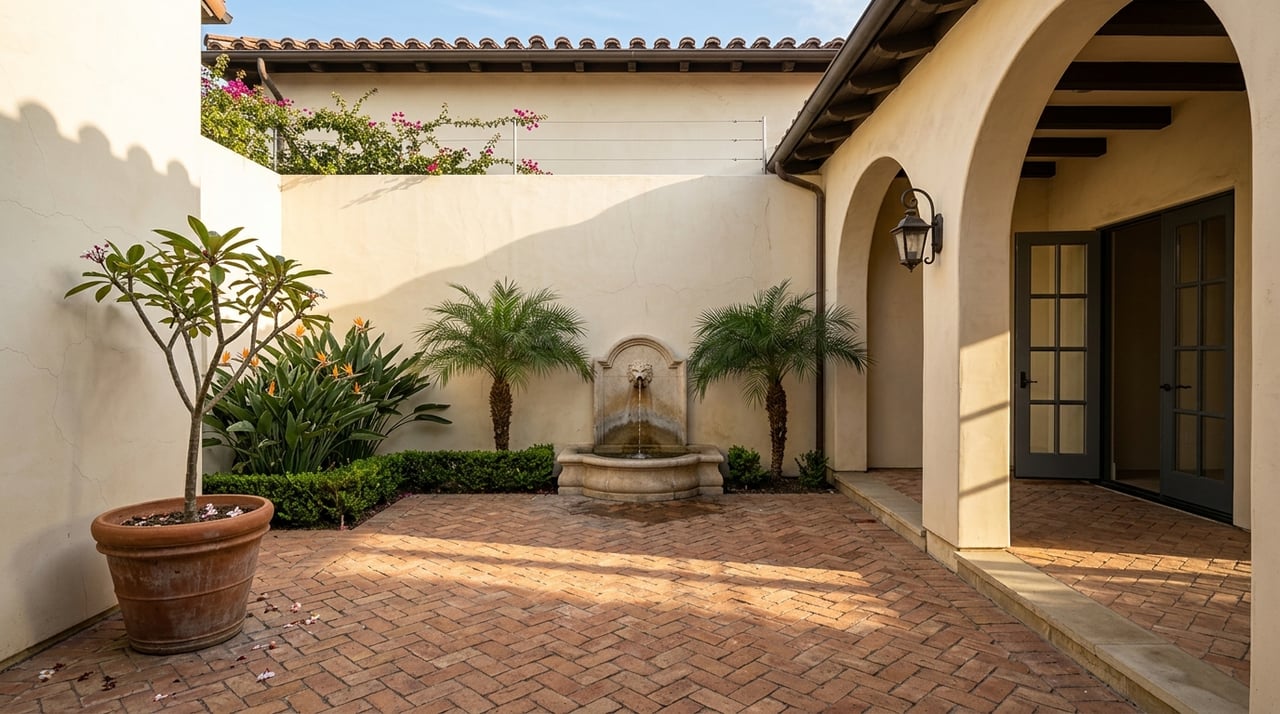
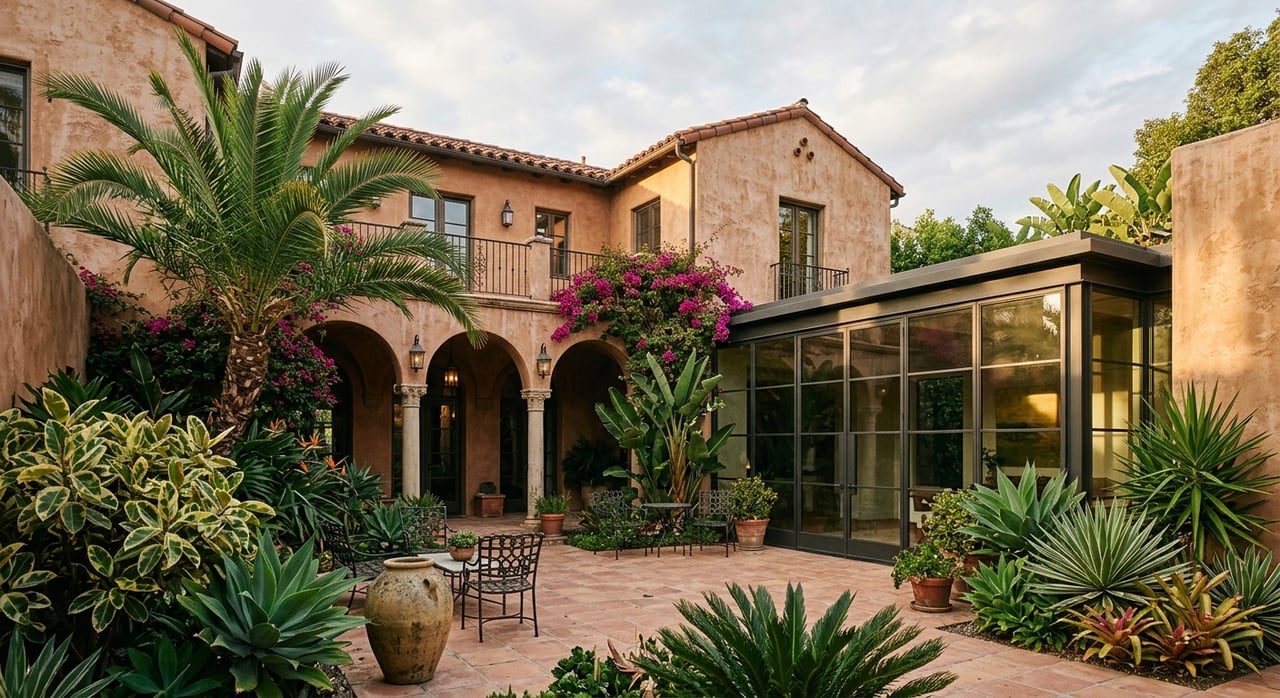
If you picture life in a historic Grove home, start with the spaces just beyond the walls. Courtyards, screened porches, terraces, and shaded yards are central to how many homes are experienced. The neighborhood’s planning documents place real importance on preserving tree canopy and green space, which helps support that garden-centered feel.
The surrounding landmarks reinforce the point. The Kampong offers lush trails, historical landmarks, and bay views, while Vizcaya Museum and Gardens is recognized as a sub-tropical estate on Biscayne Bay and a cultural and environmental landmark. Together, they reflect a local tradition in which landscape is not background scenery. It is part of everyday life.
That rhythm carries into more ordinary moments too. At The Barnacle Historic State Park, the setting is defined by porch sitting, picnics, dog walking, and sailboats passing on Biscayne Bay. It is easy to see why outdoor living in Coconut Grove feels less like an amenity and more like a habit.
Biscayne Bay Shapes the Pace
Water is part of the Grove’s identity. The neighborhood’s proximity to Biscayne Bay influences everything from views and breezes to weekend routines. Even if you are not a boater, the bayfront setting often becomes part of how you experience home.
Nearby Dinner Key Marina and the mooring field help keep that connection active, serving both transient and long-term boaters beside historic City Hall. For many residents, the appeal is not just access to the water. It is the pace that comes with it, where a walk by the bay, time on the porch, or a stop at a park fits naturally into the day.
The Village Feel Is Part of the Lifestyle
Coconut Grove’s historic homes are only part of the story. The neighborhood also has a village-like core that adds culture, convenience, and texture to everyday life. City planning documents for the area envision Grand Avenue and Douglas Road as a culturally themed main street with boutiques, gift shops, salons, restaurants, cafes, outdoor plazas, music shops, art, and cultural entertainment.
That official vision helps explain the Grove’s long-standing reputation for creative energy. The Coconut Grove Arts Festival says the neighborhood has long been considered Miami’s original art district, and its history dates the festival back to 1963. For homeowners, that kind of continuity adds to the sense that the Grove is not simply scenic. It is deeply lived-in and culturally grounded.
The neighborhood also offers practical mobility. The City of Miami trolley system lists a free Coconut Grove route with stops along Grand Avenue, South Bayshore Drive, Grove Metrorail stations, Peacock Park, and Kennedy Park. That can make day-to-day movement feel easier and more connected than in many car-dependent areas.
Parks and Open Space Matter Here
Public open space is part of Coconut Grove’s identity, not an afterthought. City materials note that residents value places like Peacock Park, Merrie Christmas Park, and Kennedy Park for both open space and historic significance. These shared spaces help extend the feeling of home beyond your property line.
For buyers considering a historic home, that matters. A shaded lot, a welcoming porch, and a mature garden may be part of your private experience, but nearby parks and bayfront areas reinforce the same lifestyle on a neighborhood scale. You are not just buying a house. You are stepping into a setting shaped by canopy, shoreline, and long-established patterns of outdoor use.
What Buyers Should Know About Preservation
Owning a historic home in Coconut Grove can be deeply rewarding, but it also calls for thoughtful planning. If a property is historically designated, exterior work may require review before changes begin. According to the City of Miami’s guidance on repairing or renovating a historic property, a certificate of appropriateness is generally required for projects ranging from window replacements to additions or demolition.
That does not mean historic ownership is overly complicated. It means decisions should be made with context. When you understand the home’s architectural language and the rules that protect neighborhood character, you are better positioned to maintain authenticity while planning practical updates.
What Sellers Can Highlight
If you own a historic or architecturally distinctive home in Coconut Grove, the story of the property should go beyond square footage and finishes. Buyers are often responding to the full experience: mature landscaping, shaded outdoor rooms, porch culture, natural light, ventilation, and the home’s relationship to the surrounding streetscape.
That is especially true in a neighborhood where official preservation documents place so much value on green space, architectural variety, and cultural continuity. A thoughtful presentation helps buyers understand not only what the home looks like, but how it lives. In Coconut Grove, that distinction can matter.
Why the Best Grove Homes Feel Enduring
The most memorable historic homes in Coconut Grove often share a common quality: they feel rooted. Their appeal comes from more than age or style alone. It comes from how architecture, garden, shade, and neighborhood fit together.
That is why the Grove continues to attract buyers who want something more personal than a standard property. Here, a home can offer beauty and function at the same time, shaped by climate, history, and a setting that still values both. If you are considering buying or selling a historic or architecturally distinctive home in Coconut Grove, working with advisors who understand preservation, presentation, and market positioning can make all the difference. To start that conversation, connect with Laura Mullaney & Jane Gomez-Mena.
FAQs
What makes historic homes in Coconut Grove different from other Miami homes?
- Historic homes in Coconut Grove often stand out for their tree-shaded settings, porches, terraces, climate-responsive design, and connection to the neighborhood’s long history and bayfront landscape.
What is the lifestyle like in Coconut Grove for historic homeowners?
- Life in Coconut Grove often centers on outdoor living, with gardens, courtyards, porches, parks, bay access, and a village-like main street all shaping everyday routines.
What architectural features are common in Coconut Grove historic homes?
- Local design guidance points to features such as shutters, stucco or board-and-batten walls, compatible roof forms, porches, terraces, and other elements tied to Caribbean vernacular and traditional neighborhood patterns.
What should buyers know before renovating a historic home in Coconut Grove?
- If a property is historically designated, the City of Miami generally requires a certificate of appropriateness for many exterior changes, so it is wise to confirm review requirements before starting work.
What should sellers emphasize when marketing a historic home in Coconut Grove?
- Sellers should highlight the home’s architectural character, mature landscaping, outdoor living spaces, and how the property connects to the Grove’s canopy, bayfront setting, and historic neighborhood fabric.