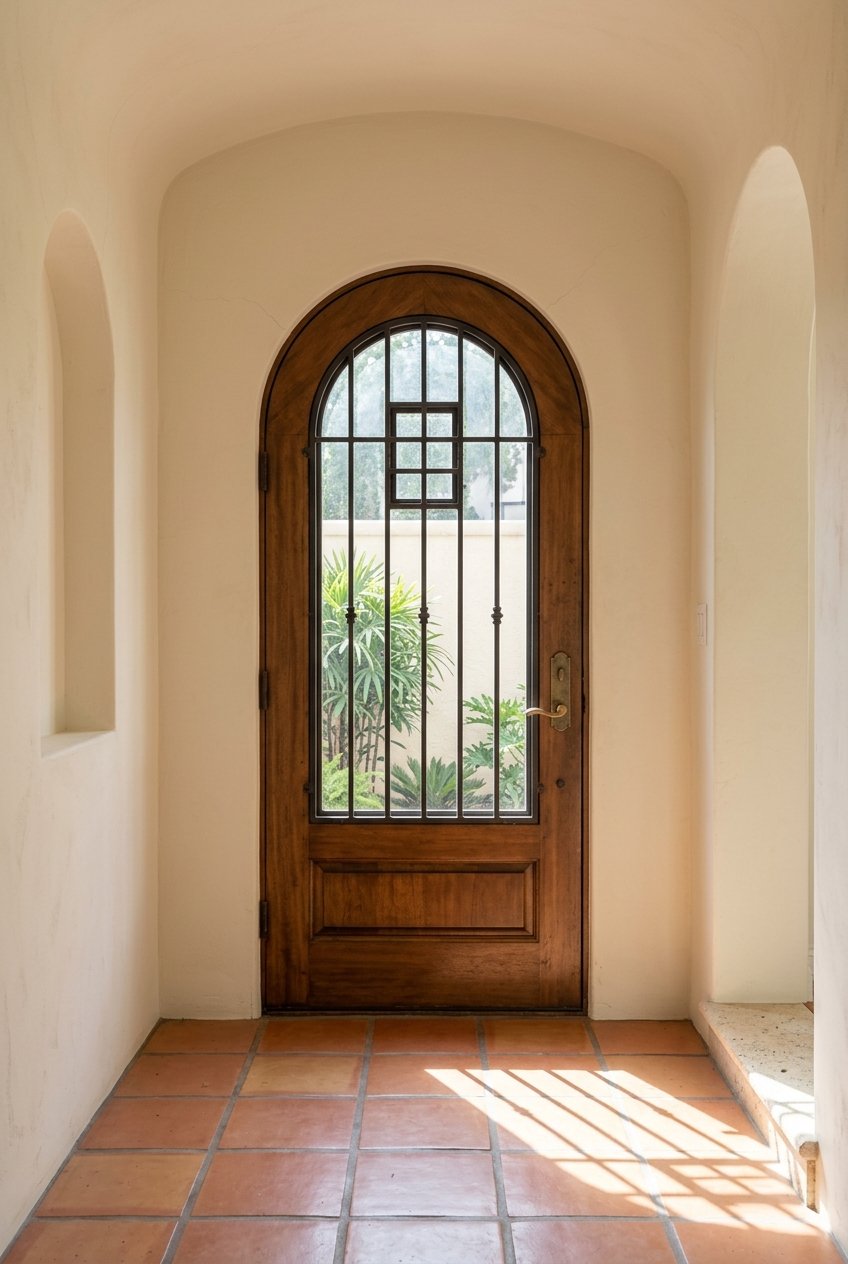
If you are planning to list your Coral Gables home this season, preparation matters more than ever. Buyers in this market often notice the details quickly, especially when a home has age, character, or architectural significance. With Coral Gables single-family sales up 16% year over year for January through April 2026 and Miami-Dade single-family inventory back below six months of supply, you have an opportunity to enter the market from a position of strength, but only if your home is presented thoughtfully. Let’s dive in.
Why listing prep matters in Coral Gables
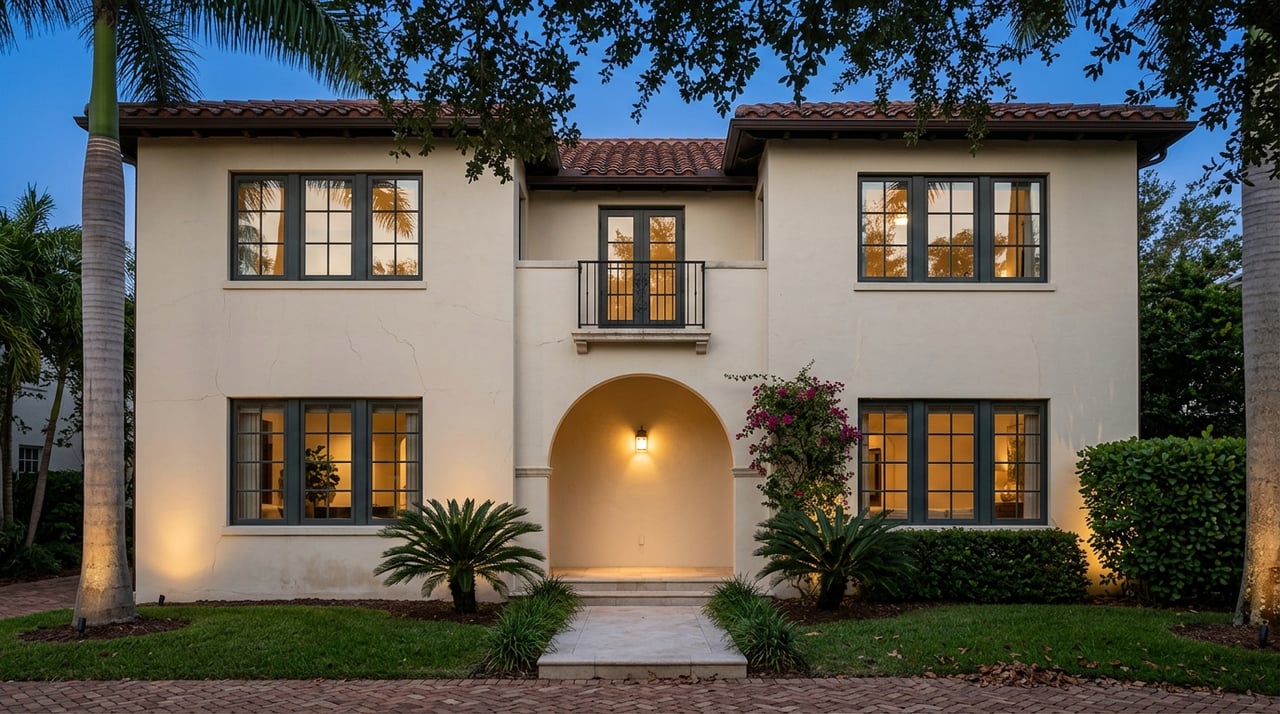
Coral Gables is not a one-size-fits-all market. The city’s built environment includes coral rock homes, Mediterranean Revival residences, Depression Moderne properties, and wood-frame vernacular examples, all of which can carry value beyond basic square footage.
That is one reason careful preparation is so important here. In Q1 2026, Coral Gables posted a $2.0 million median sales price for single-family homes, along with 80 million-dollar sales and an 89% million-dollar market share. In a market like this, buyers expect condition, presentation, and documentation to match the price point.
Confirm your home’s historic status first
Before you paint, repair, replace windows, or schedule exterior work, confirm how your home is classified. In Coral Gables, that could mean an individually designated property, a home connected to a historic district, or simply an older home with architectural importance.
This step matters because the city’s Historical Resources Department and Historic Preservation Board review modifications, additions, and alterations to locally designated properties. Coral Gables also notes that a property generally must be at least 50 years old to qualify initially for local historic listing.
Understand when approval may be required
For designated landmarks or buildings in a historic district, a Certificate of Appropriateness is the city’s approval document for alterations, demolitions, additions, or other work. The city says this approval is required before most exterior work begins, before a building permit can be issued, and before any variance can be granted.
Some work may be treated as maintenance and may not require review, but you should confirm that before starting. A rushed update that skips the proper process can create delays just when you want your listing to move forward smoothly.
Gather permits and records before going live
A clean file helps buyers feel more confident. It also reduces the chance of last-minute surprises during escrow.
The City of Coral Gables says permit status is available through its Citizen Self Service portal, and buyers who need to verify whether permits were properly closed out can contact the Records Department. If you have completed work over the years, this is the time to gather permit history, approved plans if available, and evidence that permits were finalized.
What to organize before photography
Before your listing is launched, it helps to have these items in order:
- Permit history for past work
- Records showing permits were properly closed out
- Notes on major repairs or system upgrades
- Information on preserved or restored architectural features
- Any relevant documents tied to historic designation or review
When your paperwork is organized early, you make it easier for buyers to say yes with fewer concerns.
Start with repairs that protect value
Not every improvement adds equal value before a sale. In Coral Gables, the smartest updates often begin with the fundamentals.
Miami-Dade’s historic-property guidance points to structural repairs such as roof and foundation work, restoration of historic features like doors, windows, and facades, and systems upgrades that preserve historical integrity as important improvement categories. For sellers, that creates a practical roadmap.
Use a pre-listing inspection strategically
A pre-listing inspection can help you find issues before a buyer does. Coral Gables notes that inspection work must be visible and accessible to the inspector, which makes this step especially useful for older homes where hidden condition issues can slow a deal or trigger renegotiation.
Instead of waiting for a buyer’s inspection period to surface concerns, you can identify them early and decide what is worth addressing before the home hits the market.
Focus on high-impact repairs first
If you are deciding where to spend time and money, start here:
- Roof concerns
- Structural issues
- Foundation-related repairs
- Electrical, plumbing, or mechanical system updates
- Deteriorated windows, doors, or exterior materials that affect function or presentation
These items tend to matter more than purely cosmetic upgrades because they shape both buyer confidence and the overall condition story of the home.
Preserve character whenever possible
One of the biggest mistakes sellers can make with an older Coral Gables home is over-updating it. The city’s preservation guide says the historic character of a property should be preserved and that removal of historic materials or alterations of features and spaces that characterize a property should be avoided.
That does not mean a home must feel frozen in time. It means your improvements should respect what makes the property distinctive.
Repair first, replace only when needed
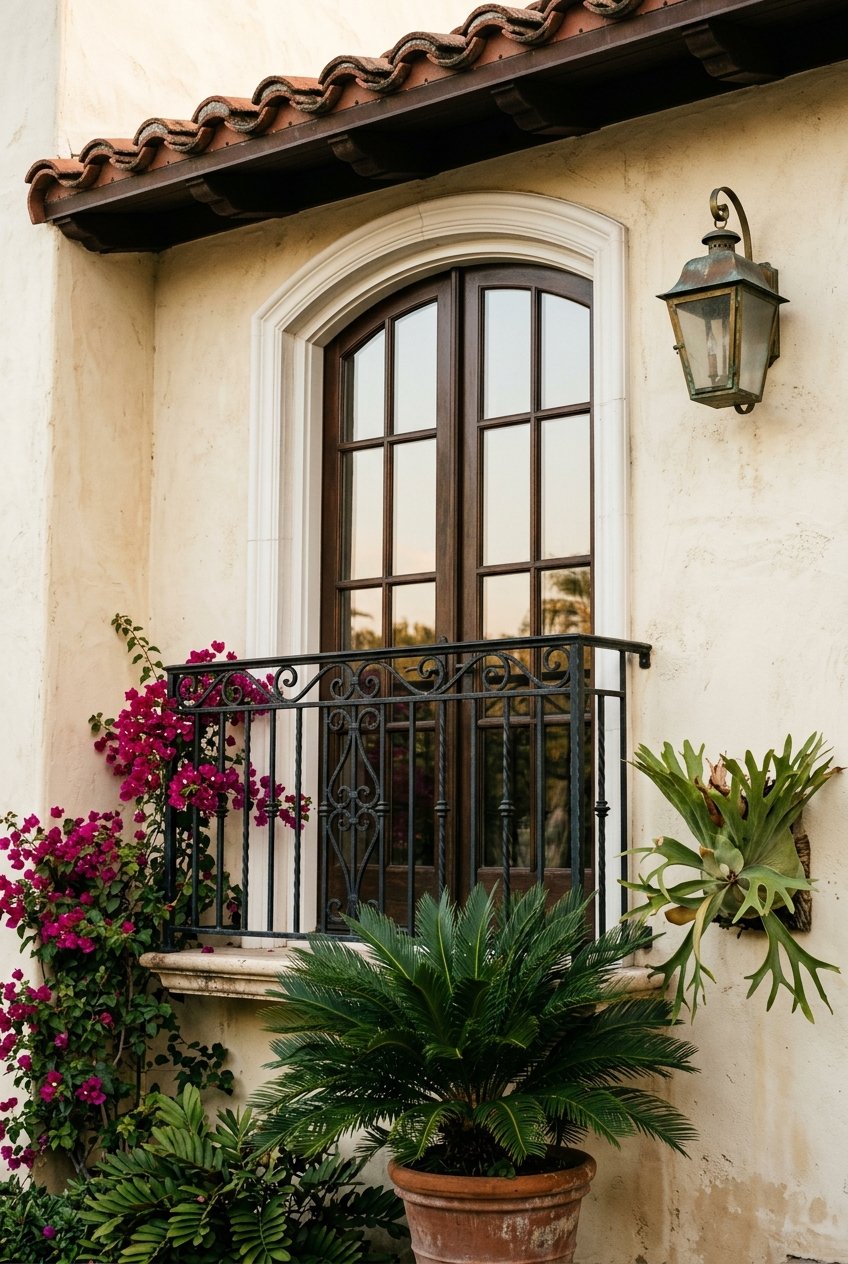
In many cases, original features contribute to both charm and value. If feasible, keep original windows, doors, trim, masonry, plaster, tile, or decorative details rather than replacing them with generic materials.
When replacement is necessary, try to match materials and appearance carefully. Buyers drawn to Coral Gables architecture often respond to authenticity, and the right preparation allows those details to stand out rather than disappear.
Stage so the architecture leads
Staging in Coral Gables should support the home’s design, not compete with it. In an architecturally distinctive property, buyers are often evaluating mood, craftsmanship, light, and flow just as much as room count.
According to the National Association of Realtors’ 2025 staging report, 29% of agents said staging increased the dollar value offered by 1% to 10%, and 49% said staging reduced time on market. While every property is different, that data supports the value of thoughtful presentation.
Stage the rooms buyers notice most
The same report found that the rooms most commonly staged by sellers’ agents were:
- Living room
- Primary bedroom
- Dining room
- Kitchen
If you are prioritizing budget and effort, those spaces are a sensible place to begin.
Let original details stay visible
General staging advice still applies. Declutter, clean thoroughly, improve curb appeal, and use natural light well.
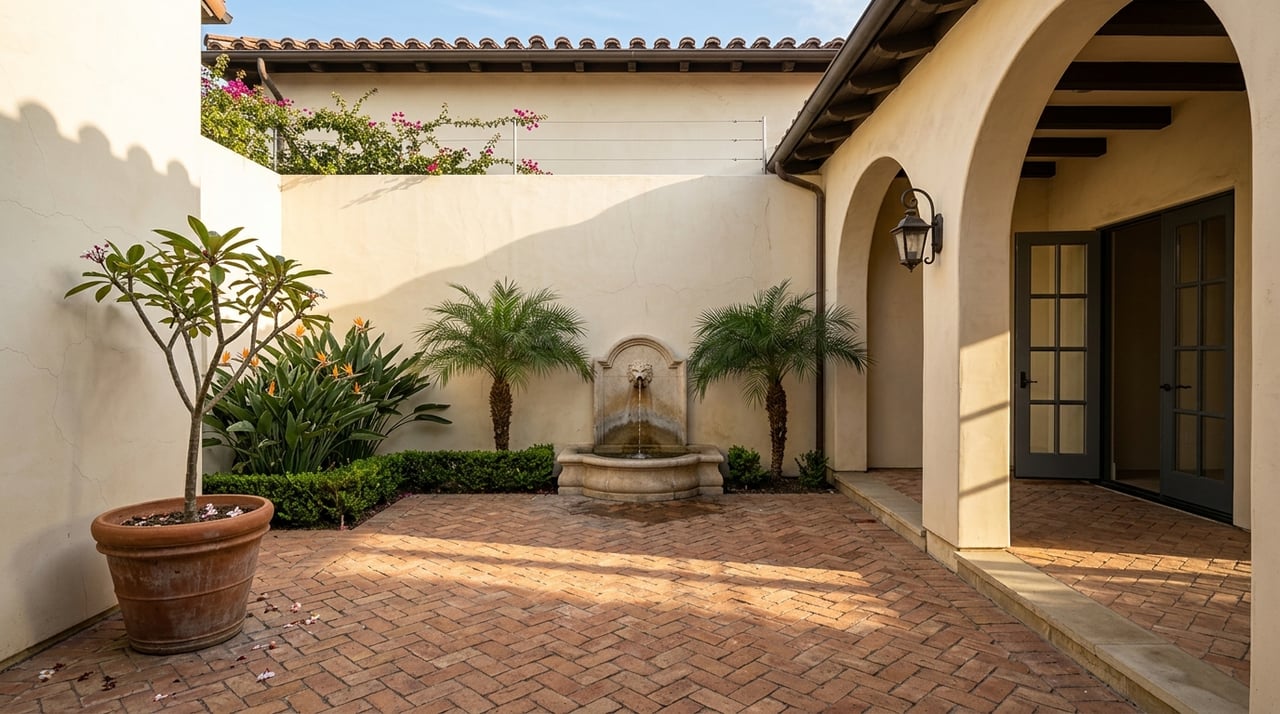
In Coral Gables, there is an added layer. Furniture, art, and accessories should help frame arches, woodwork, coral rock, tile, original windows, or other defining architectural elements. The goal is to help buyers notice the home itself.
Invest in strong visuals
Once the home is repaired, edited, and staged, your photography should capture the full experience of the property. This is especially important for historic and design-led homes, where atmosphere matters.
The National Association of Realtors reported that buyers’ agents considered photos important at 73%, physical staging at 57%, videos at 48%, and virtual tours at 43%. That tells you something simple but important: strong visuals are not optional.
Why visuals matter for distinctive homes
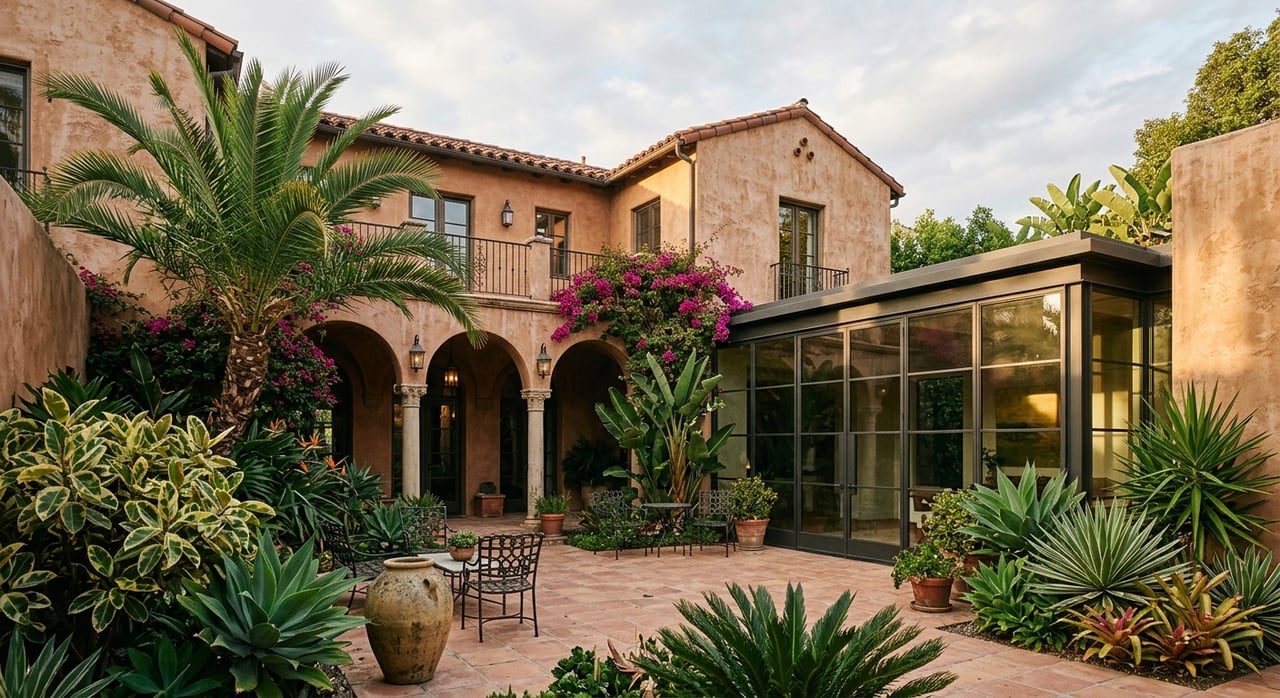
A well-prepared Coral Gables home often has qualities that need to be felt visually before a buyer ever visits in person. Natural light, room-to-room flow, garden views, original details, and exterior character all help shape emotional connection.
That is why the best launch usually happens only after the home is fully ready. If the presentation is incomplete, the first impression may undersell what makes the property special.
Build a complete launch package
A strong listing is more than attractive photos. For many Coral Gables homes, especially older or designated properties, the story and the documentation matter too.
Before the listing goes live, prepare a clear file that explains the home’s era or style, any known architect or designer, recent repairs, permit status, and what has been preserved or restored. Buyers of distinctive homes often appreciate both the architectural background and the compliance trail.
A smart order of operations
If you want a practical roadmap, this sequence works well:
- Confirm historic or designation status
- Review permit history and records
- Complete a pre-listing inspection
- Make repairs that improve condition or presentation
- Stage the most important spaces
- Photograph and launch once the file is clean
This approach helps you avoid rework, reduce friction, and bring your home to market with more confidence.
Check any existing historic tax benefit
If your property is already part of a historic tax program or preservation benefit, review that status before listing. Miami-Dade says a new application must be submitted each year by March 1, and an exemption can be revoked if the use changes or the property is no longer maintained appropriately.
This may not apply to every seller, but if it applies to you, it is worth clarifying early so you understand how the benefit is being maintained and what information a future buyer may need.
Thoughtful preparation can shape your result
In Coral Gables, listing preparation is rarely just about fresh paint and furniture placement. It is about understanding what your home is, protecting the details that make it special, and presenting it with care in a market that values quality and character.
If you are preparing to sell a historic, vintage, or architecturally distinctive home, a thoughtful plan can help you reduce surprises, strengthen buyer confidence, and make a more compelling first impression. For tailored guidance on preparing and positioning your Coral Gables property, connect with Laura Mullaney & Jane Gomez-Mena.
FAQs
What should Coral Gables sellers do before making exterior changes?
- Confirm whether the home is designated or district-related, then check with the city to see whether a Certificate of Appropriateness or other approval is required before work begins.
Why do permit records matter when listing a Coral Gables home?
- Permit history and closeout records can reduce buyer concerns, support the home’s condition story, and help avoid delays during escrow.
What repairs matter most before listing an older Coral Gables house?
- Roof, structure, foundation, major systems, and repairs to important historic features usually deserve attention before cosmetic upgrades.
How should staging work in a historic Coral Gables home?
- Staging should keep the home clean, bright, and uncluttered while allowing arches, original windows, woodwork, tile, coral rock, and other architectural details to remain visible.
Is a pre-listing inspection useful for Coral Gables sellers?
- Yes. A pre-listing inspection can help you identify issues early, especially in older homes, so you can address important concerns before a buyer raises them.
What information should be included in a Coral Gables listing package?
- A strong package can include the home’s era or style, recent repairs, permit status, preserved features, and any known architectural or designation details.