Selling a Coconut Grove cottage is rarely about making it look newer. It is about helping buyers see the home’s charm, light, porch life, and garden setting at their best. If you are getting ready to list, a thoughtful prep plan can protect character, avoid costly missteps, and make your home feel polished in a market where buyers notice every detail. Let’s dive in.
Start With Character, Not Over-Renovation
In Coconut Grove, cottages often stand out because of their original design and lush setting. The City of Miami’s preservation guidance describes local bungalows and Bahamian cottages as climate-responsive homes with features like deep porches, wide eaves, and large sash windows. That means buyers are often responding to the home’s authentic feel, not a one-size-fits-all update.
The local NCD-3 overlay also aims to preserve Coconut Grove’s historic residential character, including tree canopy, green space, tropical vegetation, bay views, and architectural variety. For you as a seller, that creates a clear strategy: present the home as edited, airy, and leafy. In many cases, the strongest visual story is the original architecture paired with a well-kept outdoor setting.
Understand The Market Context
Preparation matters even more when prices are high and buyers are comparing condition closely. Miami Realtors’ Q1 2026 single-family data for 33133 reported a median sale price of $2,802,500, a median time to contract of 62 days, and 90.4% of original list price received.
Those numbers suggest a market where strong presentation can support better results. Buyers at this price point are paying attention to finish level, maintenance, and overall polish. A cottage that feels cared for and true to its architecture can make a stronger impression than one that feels overly altered or unfinished.
Check Historic Rules Before Exterior Changes
Before you replace windows, remove original details, or make visible exterior changes, check whether your property has a historic designation. The City of Miami says a certificate of appropriateness is required for work on historic properties, including small projects such as window replacements.
The city also notes that some routine repairs and minor alterations may be reviewed more quickly by staff, while larger changes, demolition, additions, and major alterations generally require a special certificate and board review. You can verify whether a property is designated by using the city’s GIS mapping tool and turning on the Historic Preservation and Historic District layers.
This step matters because a pre-listing refresh can become much more complicated if it crosses into regulated work. If your goal is a smooth sale timeline, it is usually smarter to confirm the rules first and focus on updates that are low-impact and reversible.
Safer Pre-Listing Updates
If you want to improve presentation without creating permitting issues, start with the basics:
- Declutter interior spaces
- Deep clean the home
- Repair visible faults
- Touch up paint where appropriate
- Refresh lighting with care
- Improve flow and furniture placement
- Correct small cosmetic distractions
This type of prep is often the safest path because it improves how the home shows without replacing important historic features before you have verified what is allowed.
Be Careful With Trees And Heavy Landscape Work
Outdoor presentation is essential in Coconut Grove, but aggressive cutting can create problems. The city’s tree ordinance says tree activity requires a permit, and pruning more than 25% of a tree’s canopy, crown, or living foliage generally requires either a permit or a validated letter from an ISA-certified arborist or Florida-licensed landscape architect.
The NCD-3 rules add another layer. Demolition permits are referred for review under the Tree Preservation Ordinance and must include a tree survey by a certified arborist. So if your prep list includes removing structures, clearing major vegetation, or dramatically reshaping the lot, pause and confirm the requirements first.
For most sellers, the goal should be selective cleanup rather than stripping the landscape. Coconut Grove’s appeal is tied to canopy, shade, and tropical planting. You want the garden to look intentional, not thinned out to the point that the property loses its Grove identity.
Make The Exterior Feel Welcoming
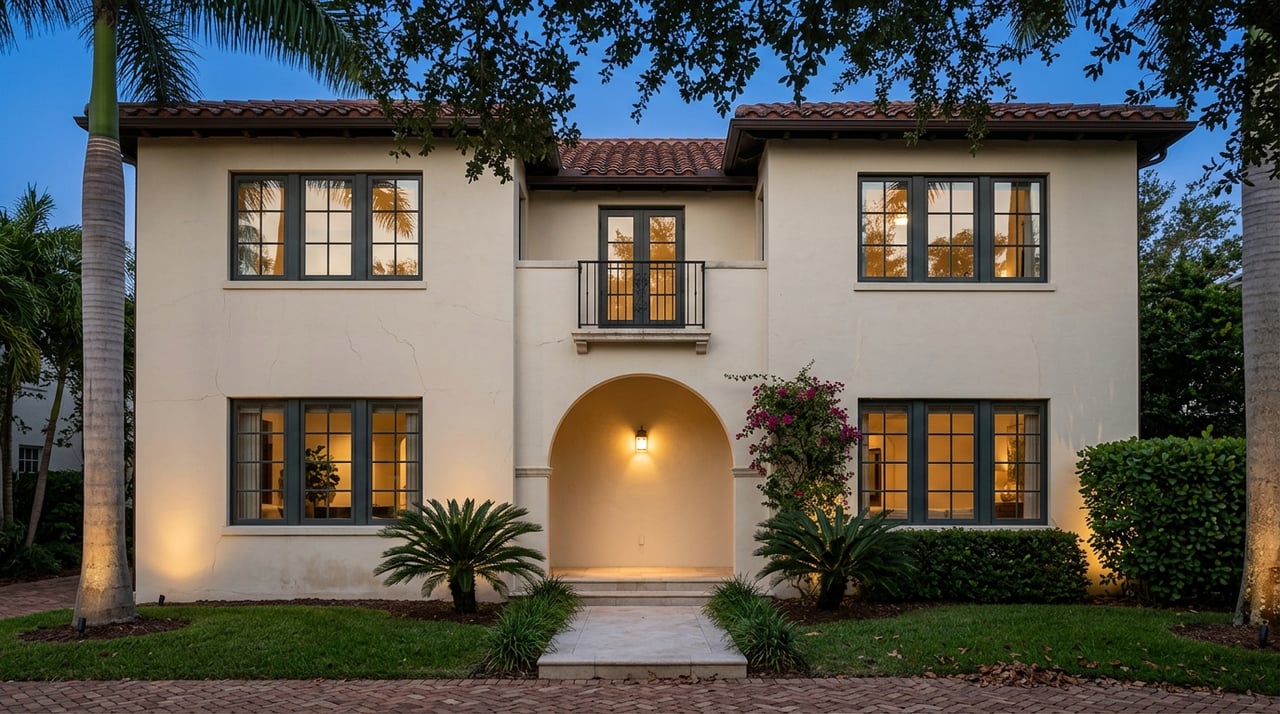
A cottage in Coconut Grove should feel connected to its site from the moment a buyer arrives. The NCD-3 overlay emphasizes abundant landscaping, tree canopy, permeable surfaces, and minimizing the visual impact of garage fronts and parking. In practical terms, the front approach deserves just as much attention as the kitchen or living room.
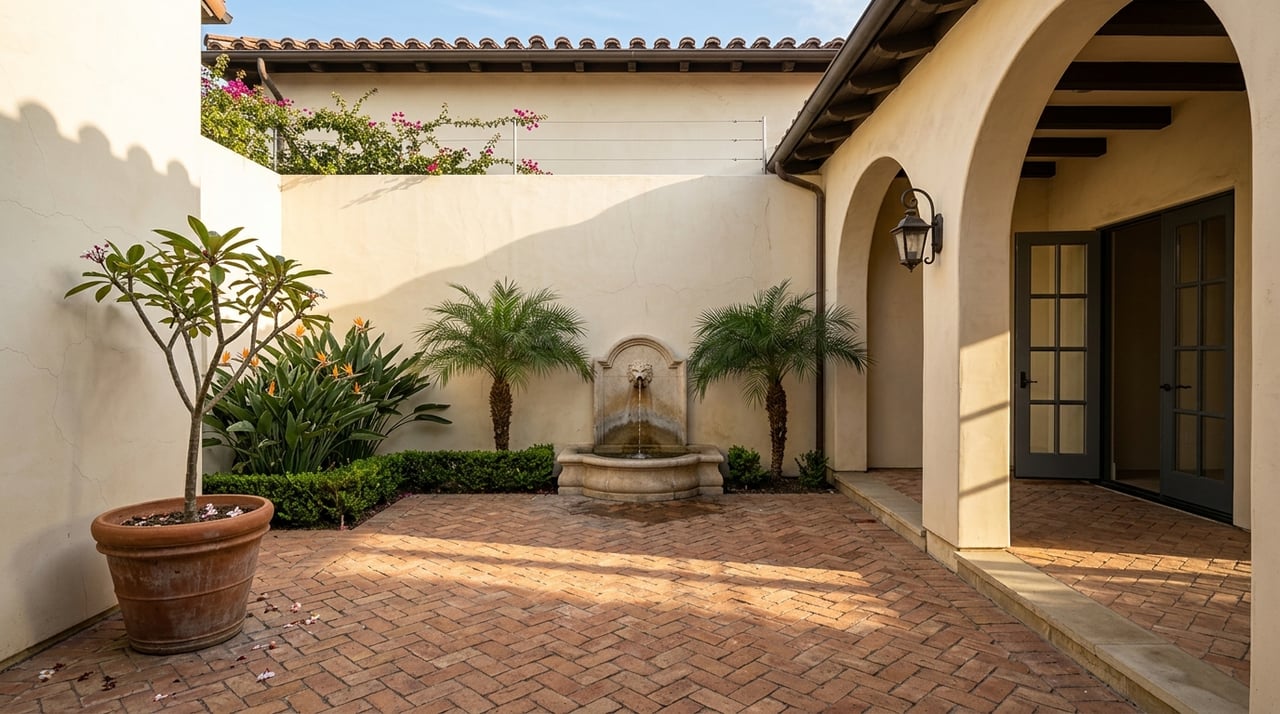
Focus on the areas buyers notice first. Clean edges, fresh mulch, a clear path to the front door, and a tidy porch can shape the entire showing experience. Even small improvements can help buyers understand the home’s relationship to the landscape.
Outdoor Prep Priorities
Give extra attention to these elements before photos or showings:
- Front walk and entry sequence
- Porch floor and railings
- Driveway edges and parking approach
- Mulch, edging, and fallen-leaf cleanup
- Selective pruning around windows and paths
- Outdoor seating areas that extend living space
The goal is not perfection. It is clarity. Buyers should be able to read the home, porch, and garden as one coherent setting.
Time Exterior Prep Around The Weather
In South Florida, timing matters. The National Weather Service says the rainy season runs from May 15 through October 15 and accounts for about 70% of the yearly rainfall. It also notes that the stormiest period is usually mid-May through early July, with another variable stretch from late August through mid-October.
If you are listing during summer or early fall, plan for more frequent refreshes. Mulch can shift, foliage grows fast, and patios can look tired quickly after storms. If possible, complete exterior cleanup and photography before the wettest stretch begins, or build ongoing touch-ups into your listing plan.
Stage For Air, Light, And Porch Life
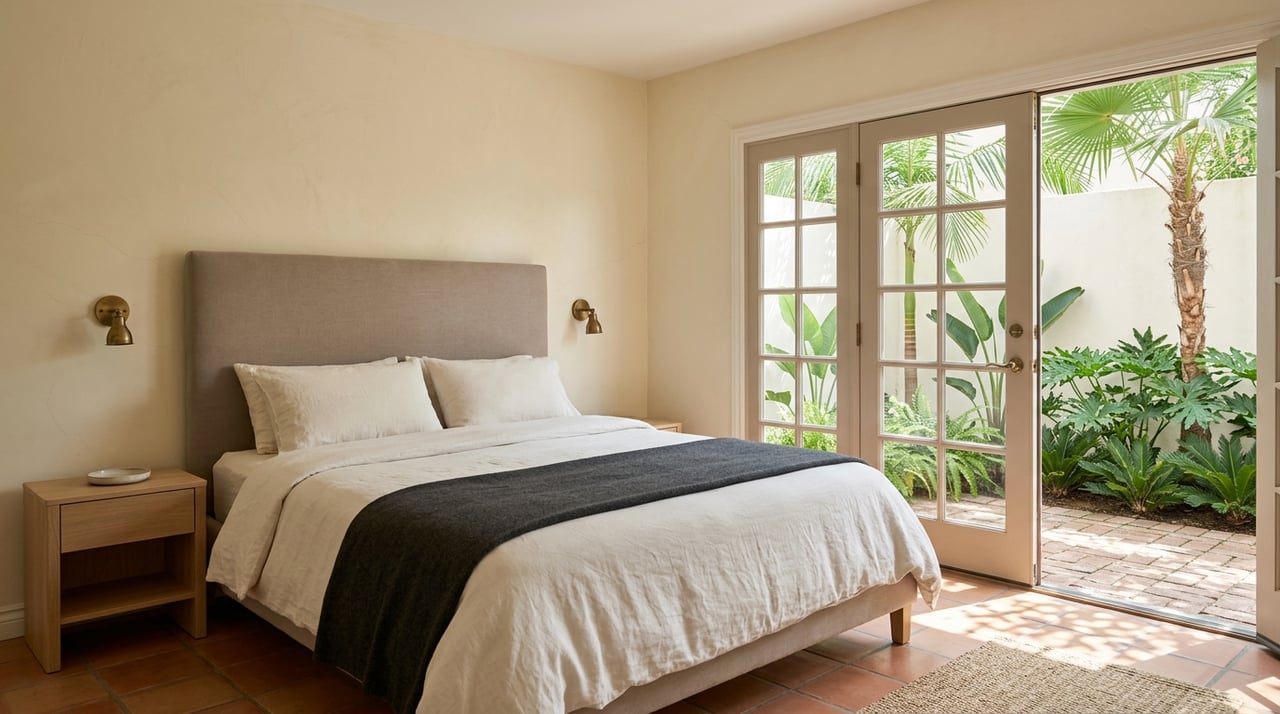
Staging works best when it supports the architecture. For a Coconut Grove cottage, that usually means lighter rooms, cleaner sightlines, and a stronger connection between the interior and the outdoors. You want buyers to feel the porch, windows, and garden as part of daily living.
NAR’s 2025 staging research found that 83% of buyers’ agents said staging made it easier for buyers to visualize the property as a future home. The same report found that 29% said staging increased dollar value offered by 1% to 10%, while 49% of sellers’ agents said staging reduced time on market.
That does not mean every room needs full staging. It means the most important rooms should be edited and presented with purpose.
Rooms To Prioritize First
According to NAR’s 2025 findings, the most commonly staged rooms were:
- Living room
- Primary bedroom
- Dining room
For a Grove cottage, this list makes sense. These are often the spaces where architecture and daily life meet most clearly. If the living room opens toward a porch or garden, make that connection obvious.
Plan Photography Around The Home’s Story
Photography carries enormous weight in the selling process. NAR’s 2025 research found that 73% of buyers’ agents and 88% of sellers’ agents rated photos as much or more important to clients.
For a Coconut Grove cottage, your photo plan should show more than square footage. It should communicate sequence and mood. Buyers should understand how the front approach leads to the porch, how the living room relates to the windows, and how the house opens to outdoor living.
Photo Order That Fits A Cottage
A strong photography plan often starts with:
- Curb approach
- Front porch
- Living room
- Primary bedroom
- Kitchen
- Patio, deck, or garden seating area
This order highlights both the buyer journey and the architecture. It also matches what matters locally: porch life, climate-responsive design, and the relationship between the home and its landscape.
Keep The Final Look Edited And Honest
The best prep does not erase a cottage’s age or individuality. It helps buyers see the home clearly. In Coconut Grove, that usually means cleaner lines, less visual noise, stronger natural light, and landscaping that feels abundant but controlled.
If you are deciding between a dramatic change and a careful correction, the careful correction is often the wiser choice. A polished cottage that respects its original character can stand apart in a market full of comparisons.
When you are preparing a distinctive home for sale, details matter. The right strategy can help you protect what makes the property special while presenting it with confidence. For thoughtful, preservation-aware guidance on positioning a Coconut Grove cottage, connect with Laura Mullaney & Jane Gomez-Mena.
FAQs
What is the best way to prepare a Coconut Grove cottage for sale?
- Start with decluttering, deep cleaning, visible repairs, selective cosmetic updates, and landscape cleanup that preserves the home’s original character and leafy setting.
Do historic Coconut Grove homes need approval for exterior changes?
- Yes, if the property is historically designated, the City of Miami says a certificate of appropriateness is required for work including small projects such as window replacements.
How much landscaping should you trim before listing a Coconut Grove cottage?
- Trim enough to make the property look intentional and well maintained, but avoid heavy pruning or canopy reduction without checking city permit requirements.
Why does staging matter when selling a Coconut Grove cottage?
- NAR’s 2025 research found that staging helps buyers visualize the home, may increase offers, and can reduce time on market, especially in key rooms like the living room and primary bedroom.
What photos matter most for a Coconut Grove cottage listing?
- Prioritize the curb approach, front porch, living room, primary bedroom, kitchen, and outdoor living areas so buyers can understand both the architecture and the indoor-outdoor flow.