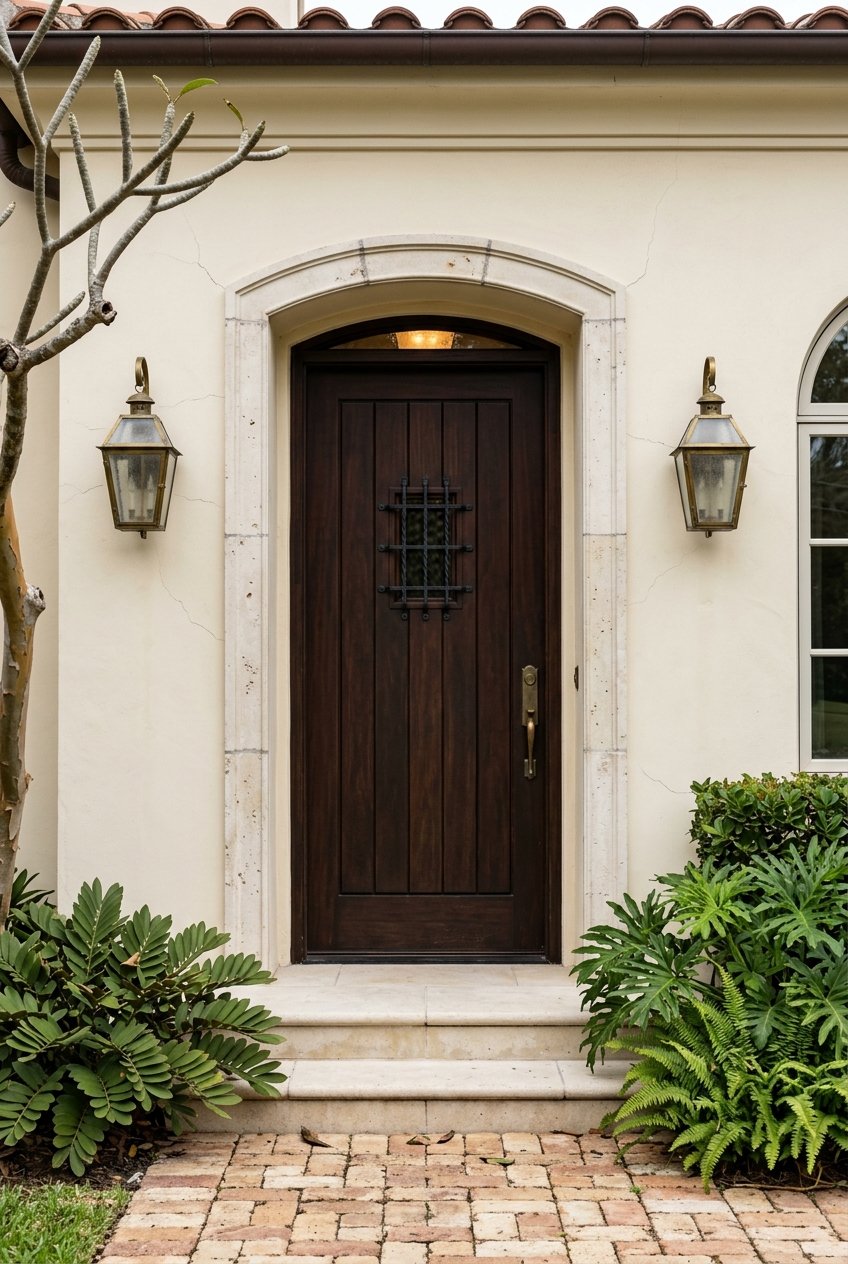
Wondering whether a historic designation protects your home, limits your plans, or affects resale? If you own, hope to buy, or may someday sell a historic home in Coral Gables, those are smart questions to ask. The good news is that local designation is usually less mysterious than it seems once you understand how city review, approvals, and tax incentives actually work. Let’s walk through what historic designation means for homeowners in Coral Gables.
What local historic designation means
In Coral Gables, historic designation is a local city process, not just an honorary label. The city places qualifying homes or districts in the Coral Gables Register of Historic Places after review by the Historic Preservation Board.
In general, the city describes qualifying properties as being at least 50 years old and significant for historical, cultural, aesthetic, or architectural reasons. That matters because local designation is what triggers city review for exterior work on a designated property.
It is also important to separate local designation from National Register listing. A National Register listing is federal recognition, but by itself it does not place restrictions on what a private owner can do unless federal funding or permitting is involved. In Coral Gables, the local designation is the part homeowners feel most directly.
What historic designation does and does not control
For most homeowners, the biggest practical effect is review of exterior work. If a project needs a building permit, the Historical Resources office reviews it for designated properties.
That does not mean every project becomes a major public hearing. The city says some minor work, such as re-roofing, painting, and repairs in kind, can often be handled administratively.
More substantial changes are more likely to receive deeper review. Additions, demolitions, and major exterior remodels often go before the Historic Preservation Board for a public hearing.
Exterior work usually needs approval first
A Certificate of Appropriateness is the key approval document for designated properties in Coral Gables. The city says it is required before most exterior work begins, before a building permit can be issued, and before a variance can be granted.
If you are planning changes, timing matters. It is usually best to confirm the property’s historic status and discuss your scope with the city early, before plans are finalized and before contractors are scheduled.
Interior work is usually treated differently
Interior remodeling is generally not reviewed under the city’s preservation ordinance. For many homeowners, that means kitchen, bath, and other interior updates may not fall under historic review simply because the home is designated.
There is one notable exception. If you are applying for historic-property tax relief tied to rehabilitation work, the city says the whole project is reviewed for compliance with the Secretary of the Interior’s Standards.
What kinds of changes may still be allowed
Historic designation does not mean your home is frozen in time. Coral Gables says changes are allowed if they are compatible with the existing architecture.
In practice, that can mean an addition may be approved if it is placed on a secondary facade or does not materially change the character of the house. That is an important point for owners who want better function while still respecting the original design.
Older homes can also present zoning issues because they often predate current code requirements. The city notes that the Historic Preservation Board may grant variances to preserve architectural continuity, which can be especially relevant for additions or modifications.
What historic designation does not automatically do to taxes
One common concern is whether designation itself raises your property taxes. According to Coral Gables, historic designation does not automatically raise assessed property taxes, and the city also says there are no extra fees simply because a property is historic.
That can be reassuring if you love the idea of owning a designated home but worry that the label alone creates a financial penalty. The real tax conversation is usually about whether you qualify for a preservation-related incentive after approved rehabilitation work.
How the local tax incentive works
Coral Gables and Miami-Dade County both describe a local historic-preservation ad valorem incentive tied to approved rehabilitation. This is not a full tax exemption.
Instead, the benefit is tied to the increase in value created by restoration work, and only participating taxing authorities are affected. Miami-Dade notes that levies such as school, fire, and debt-service taxes may still apply.
The city manual explains the benefit as a way to freeze the value of qualifying improvements for 10 years. For the right project, that can be meaningful, but it is best understood as a targeted rehabilitation incentive rather than a broad renovation subsidy.
Start before construction
This is one of the most important rules for homeowners. The application process must begin before construction starts.
Coral Gables states that Part I is the pre-construction filing, and Part II is submitted after the work is completed. If you wait until the project is underway, you may miss the chance to pursue the benefit.
Not every project qualifies
The incentive applies to the historic property itself, not to every improvement you might make. The city specifically notes that land-only projects, such as a swimming pool, are not the kind of work the incentive is designed to cover.
That is why planning matters. If tax relief is part of your budget strategy, you will want to understand whether your proposed work is eligible before construction begins.
The covenant stays with the property
Florida law requires an owner receiving the exemption to sign a covenant. Coral Gables explains that this covenant binds current and future owners during the exemption period.
The city also notes that the exemption continues for the full 10-year period even if the property is sold. If you are buying or selling a designated home with an active tax benefit, that ongoing obligation should be part of the conversation early.
What designation means when you sell
Historic designation follows the property. Coral Gables says the designation remains in effect as long as the property exists, unless it is altered so extensively that it no longer retains the qualities that supported designation.
That means buyers are not just purchasing a charming old house. They are also stepping into a framework that may affect future exterior work, approvals, and potentially any existing covenant tied to a tax incentive.
For sellers, clear communication matters. Homes in designated areas are often easier to understand and market when the listing explains the home’s exact status, what features are protected, and what work has already been approved or completed.
Why exact designation status matters
Not every historic home is classified the same way. A property may be individually designated, contributing within a district, or non-contributing.
Those distinctions can affect review and incentive eligibility. Before renovating, marketing, or closing on a property, it is wise to confirm the exact status with the City of Coral Gables and Miami-Dade County.
Practical questions to ask before you renovate or list
If you own a designated home, a few early questions can save time and stress later:
- Is the property individually designated or located in a historic district?
- Is it classified as contributing or non-contributing?
- Will your planned exterior work require a Certificate of Appropriateness?
- Can the work be handled administratively, or is a board hearing more likely?
- Are any zoning variances needed because the home predates current code standards?
- If you are considering rehabilitation incentives, has the application been started before construction?
- If you are selling, do you have records of prior approvals, completed work, or an active covenant?
These are the kinds of details that can shape timeline, cost, buyer confidence, and overall marketability.
Why local guidance matters with historic homes
Historic homes in Coral Gables often come with more nuance than standard properties. The design itself may be part of the value, but so are the approvals, records, and preservation context that help a buyer understand what they are purchasing.
That is why owners benefit from careful planning and accurate positioning. Whether you are preparing for a renovation, weighing a future sale, or trying to understand a property before you buy, the details matter.
For architecturally distinctive homes, a thoughtful approach can help you protect character, avoid surprises, and present the property clearly. If you are considering your next step with a historic home in Coral Gables, Laura Mullaney & Jane Gomez-Mena bring preservation-aware guidance and deep local market knowledge to the conversation.
FAQs
What does local historic designation mean for a Coral Gables homeowner?
- It means the property has been formally recognized through the city’s preservation process, and exterior work that requires a permit is typically subject to city historic review.
What exterior changes usually require review on a designated Coral Gables home?
- Most exterior work on a designated property requires review before work begins, with minor items sometimes handled administratively and larger projects like additions or demolitions more likely to go before the Historic Preservation Board.
What is a Certificate of Appropriateness in Coral Gables?
- It is the key approval document required for most exterior work on designated properties, and the city says it must be obtained before a building permit can be issued.
Does historic designation in Coral Gables increase property taxes automatically?
- No. Coral Gables says designation itself does not automatically increase assessed property taxes, and there are no extra fees simply because a property is historic.
Can a Coral Gables homeowner get a tax benefit for approved historic rehabilitation?
- Yes, potentially. Coral Gables and Miami-Dade describe a local ad valorem incentive tied to approved rehabilitation, but it is not a full exemption and must be started before construction begins.
Does interior remodeling on a historic Coral Gables house need city preservation review?
- Generally, no. Interior work is usually not reviewed under the preservation ordinance unless the owner is applying for historic-property tax relief tied to the project.
Does historic designation affect a future sale in Coral Gables?
- Yes. Designation stays with the property, and any related covenant for a tax benefit can also bind future owners during the exemption period.